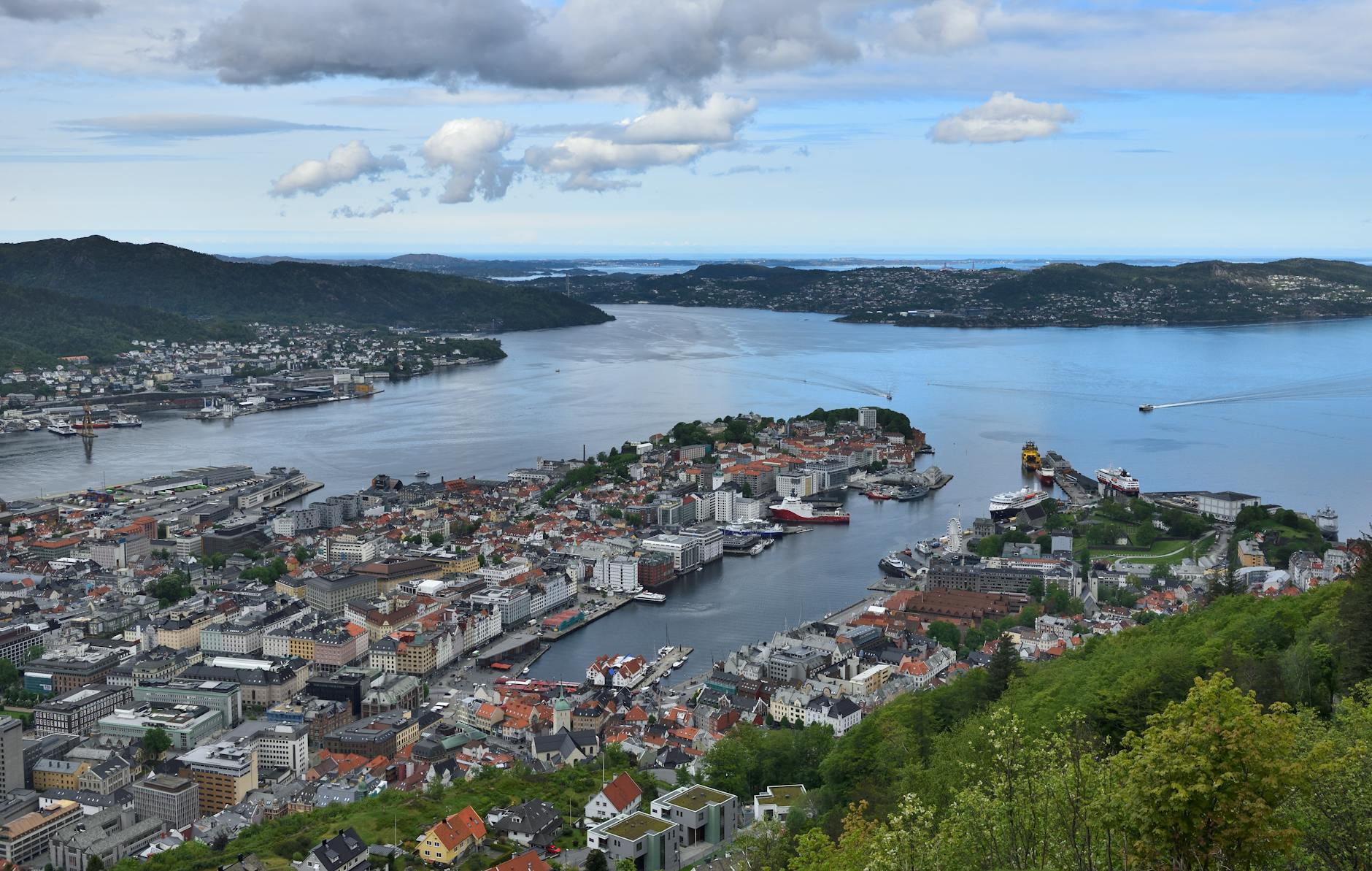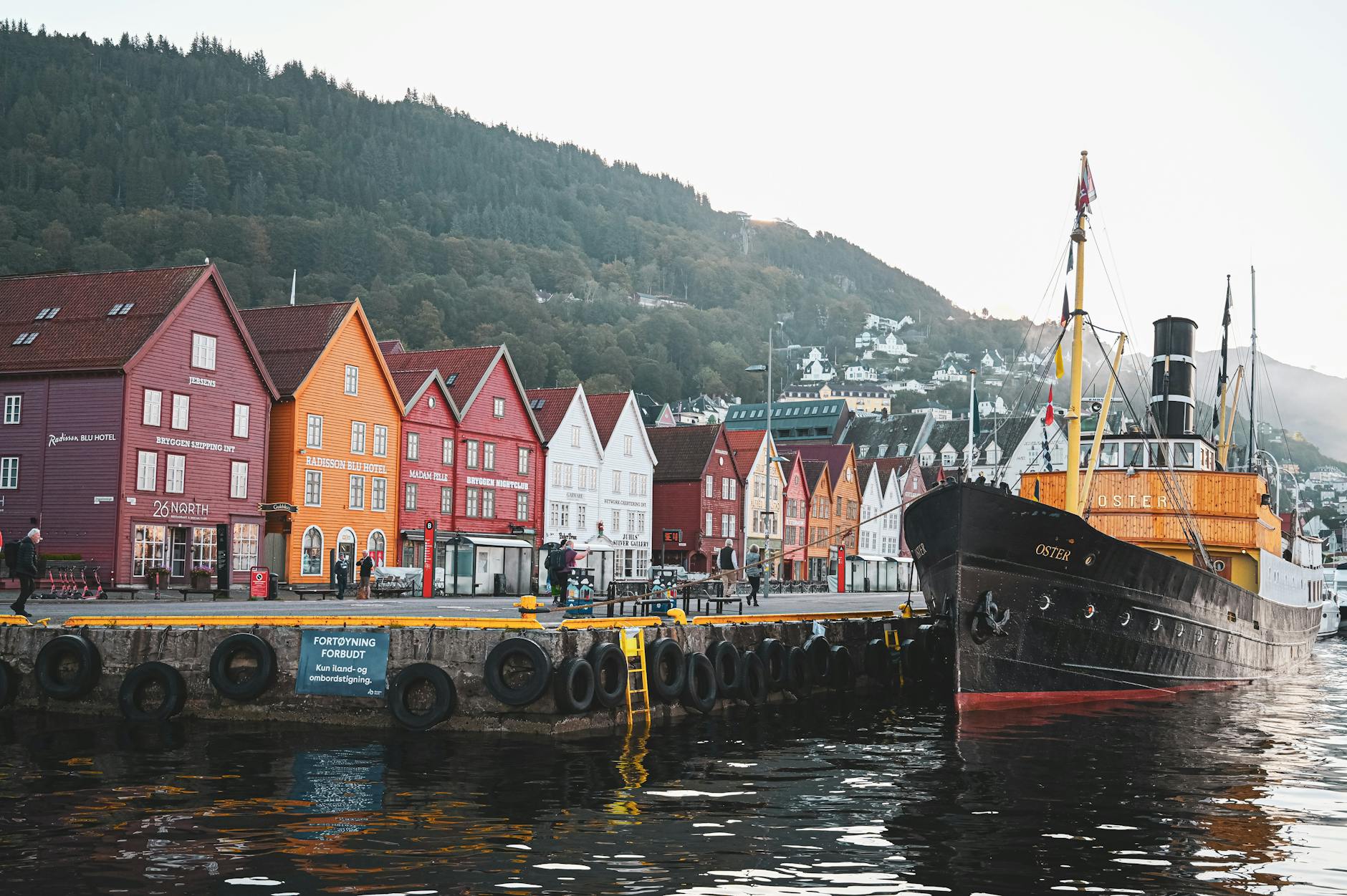
Bergen can be excellent for solo travel because it is compact, scenic, readable, and atmospheric without needing a group to make it work. The same qualities can also create weak plans if the traveler ignores rain, low-light returns, meal timing, mountain weather, and the difference between welcome solitude and unnecessary friction.
Choose a base that keeps returns simple
A solo traveler should choose a Bergen base by how it feels at the end of the day. The room can be modest or polished, but the return route should be legible in rain, after dinner, and with a tired phone battery.
The base is the safety valve.
- Compare hotels by harbor access, station or airport route, evening return, noise, and wet-weather comfort.
- Save the hotel address, walking route, taxi option, and payment backup before going out.
- Avoid a remote or awkwardly uphill base unless solitude is the actual purpose of the trip.
Make walking routes feel intentional
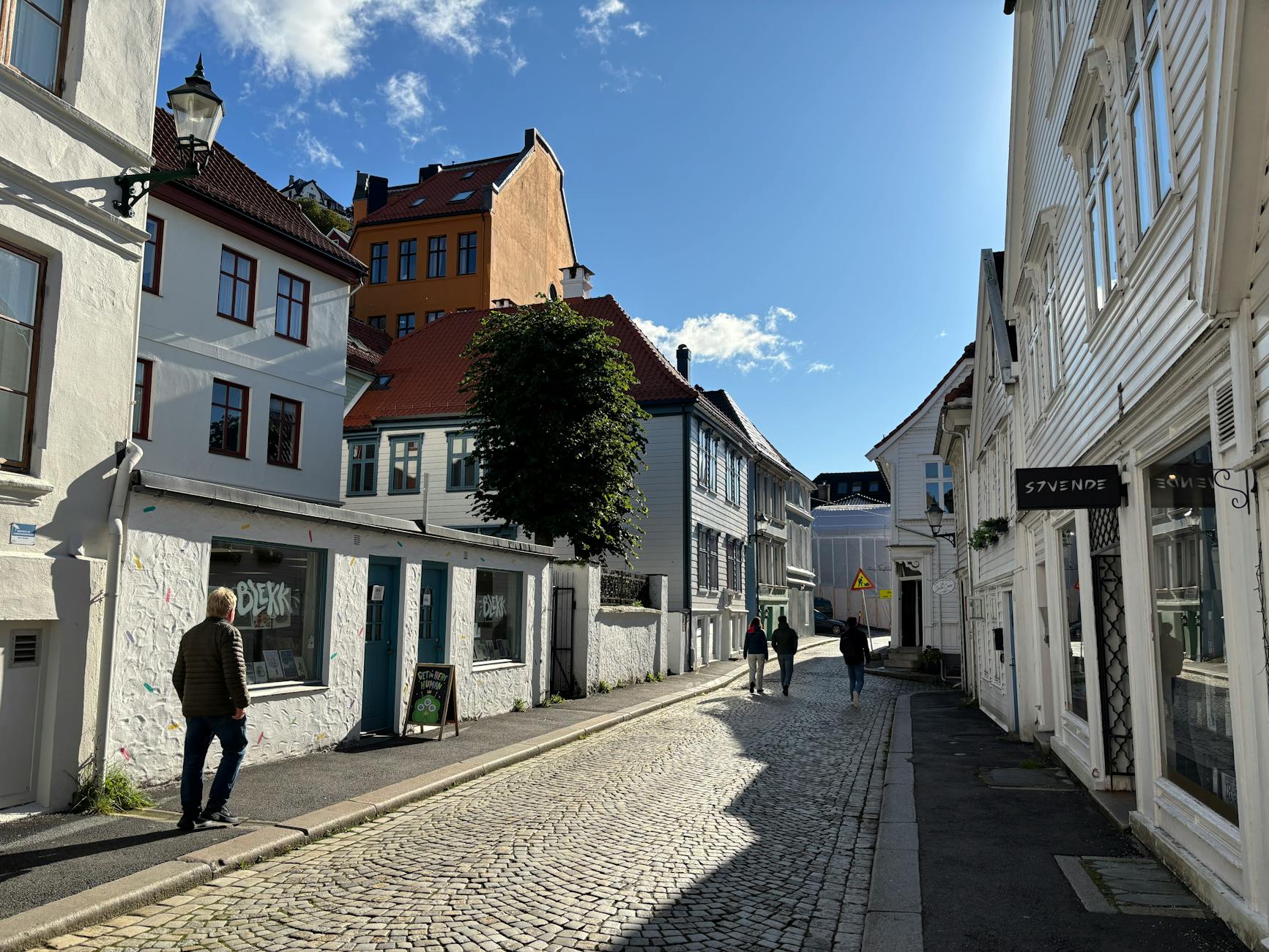
Bergen rewards walking, but solo walking should have a shape: harbor, Bryggen, nearby streets, a cafe, a viewpoint decision, and a clear return. Wandering can be enjoyable, but it should not become damp indecision.
A simple route gives solo travel more confidence.
- Build one compact walking loop before adding a farther hill, ferry, or neighborhood idea.
- Use daylight for unfamiliar slopes, quieter streets, and photo stops.
- Keep offline maps and a battery plan because rain and cold can drain attention as much as devices.
Plan meals without overcommitting
Solo dining in Bergen can be easy if the traveler accepts a mix of cafes, market stops, hotel meals, and one more deliberate dinner. The mistake is either avoiding meals entirely or turning every meal into a high-pressure reservation.
Food should make the day steadier.
- Choose a few comfortable solo-friendly options near the route or hotel.
- Use lunch or coffee stops as weather resets instead of waiting until fatigue appears.
- Check prices, opening hours, counter seating, dietary needs, and reservation rules before arrival.
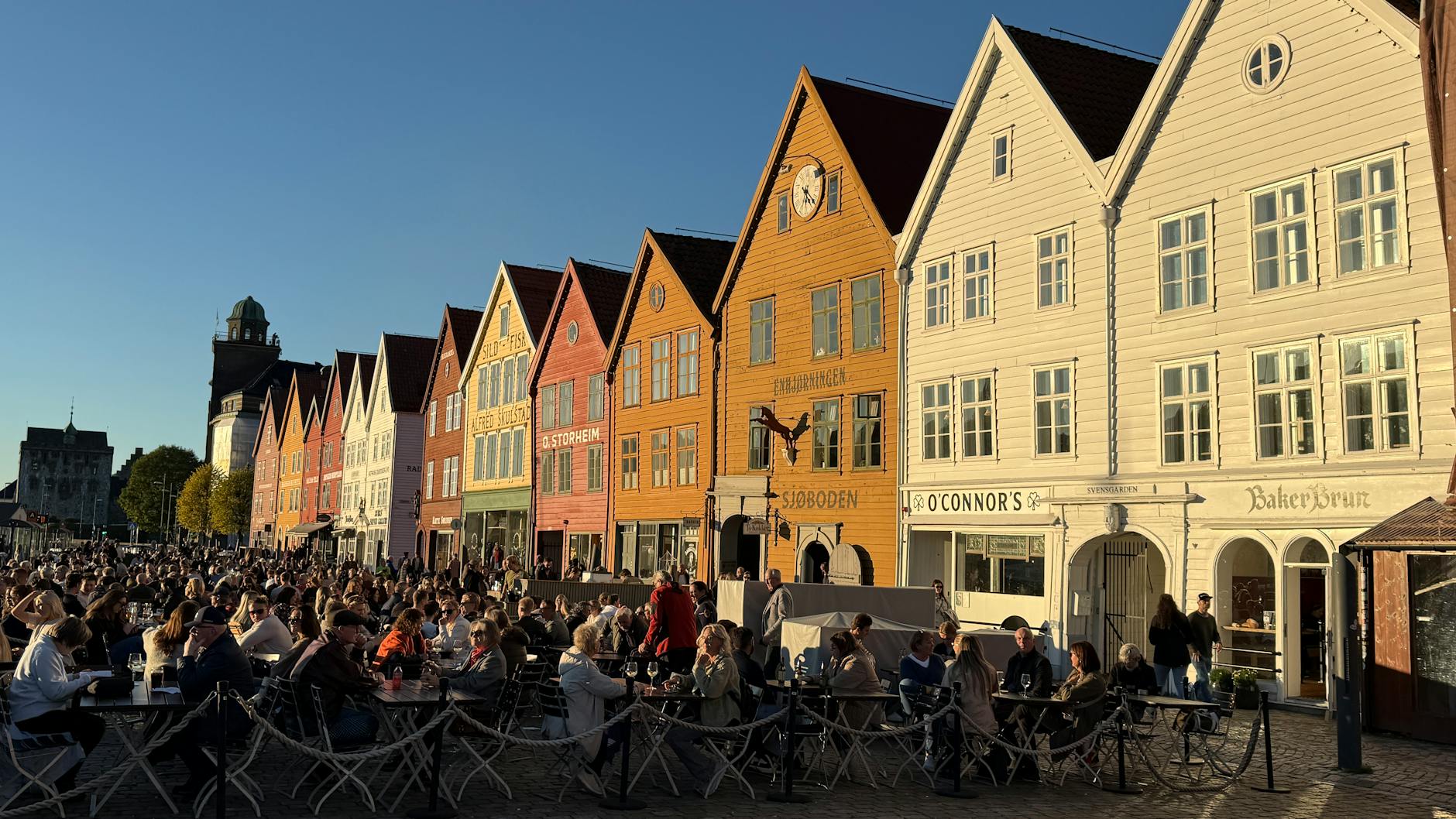
Use viewpoints and trails with weather discipline
A solo traveler may have more freedom to chase a clear sky, but that freedom should still be disciplined. Fløyen, Ulriken, nearby paths, and fjord-facing views are more rewarding when visibility, footwear, daylight, and return timing are right.
Solo flexibility should not become poor judgment.
- Check weather, trail conditions, visibility, footwear, daylight, and transport before heading up.
- Tell someone the plan if going beyond the most central and populated routes.
- Turn back or shorten the outing if fog, rain, wind, or fatigue changes the risk-reward balance.
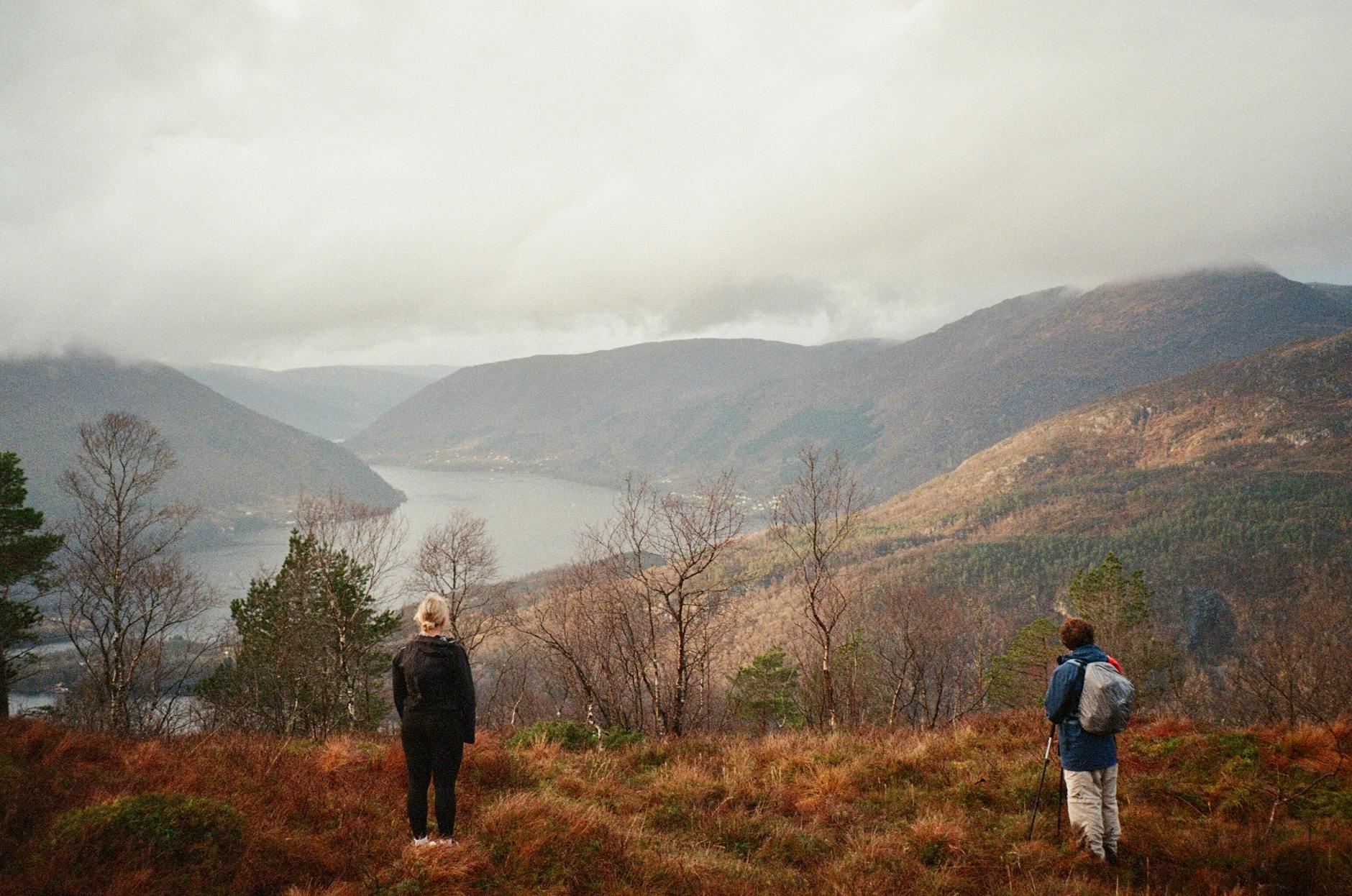
Respect rain, solitude, and visibility
Rain can make Bergen feel intimate, but it can also make a solo traveler more isolated if the day has no indoor anchors. The best solo plan treats weather as a rhythm: outside, shelter, meal, view attempt, reset, and a clean return.
Solitude works better with structure.
- Pack a rain shell, warm layer, shoes with grip, phone protection, and a small backup battery.
- Place museums, cafes, shops, and hotel breaks where they can absorb heavy rain.
- Avoid long exposed plans when visibility or footing makes the reward thin.
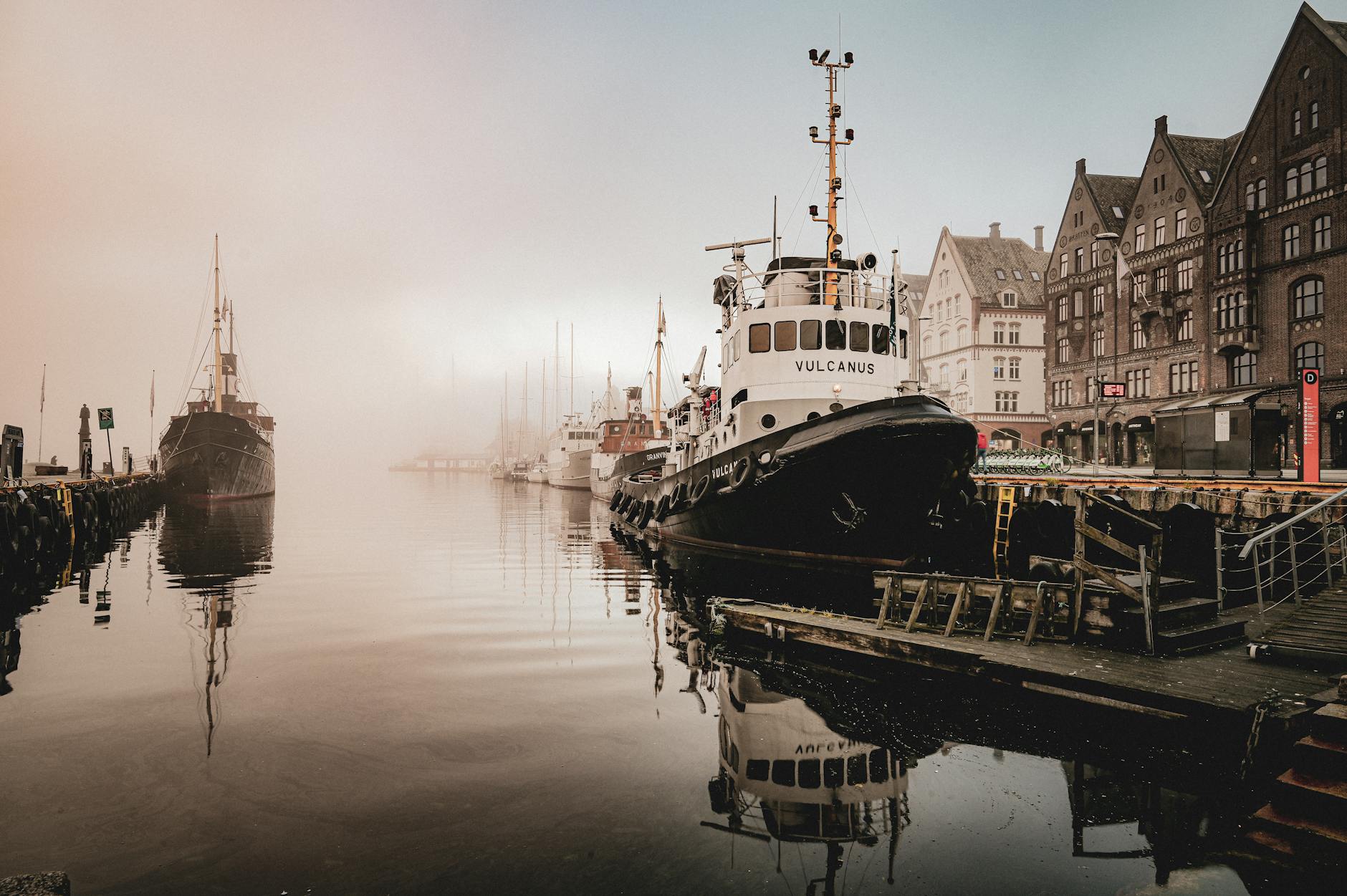
Keep the evening route easy to end
Solo evenings should be satisfying without becoming hard to exit. Bergen can support a quiet dinner, harbor walk, concert, bar, or night view, but the return route should already be understood before the evening starts.
A good solo night has an easy off-ramp.
- Choose an evening area near the hotel, harbor, or a direct taxi route.
- Avoid letting alcohol, rain, low battery, or low light make the return improvised.
- Keep tomorrow's flight, train, ferry, or viewpoint plan in mind before extending the night.
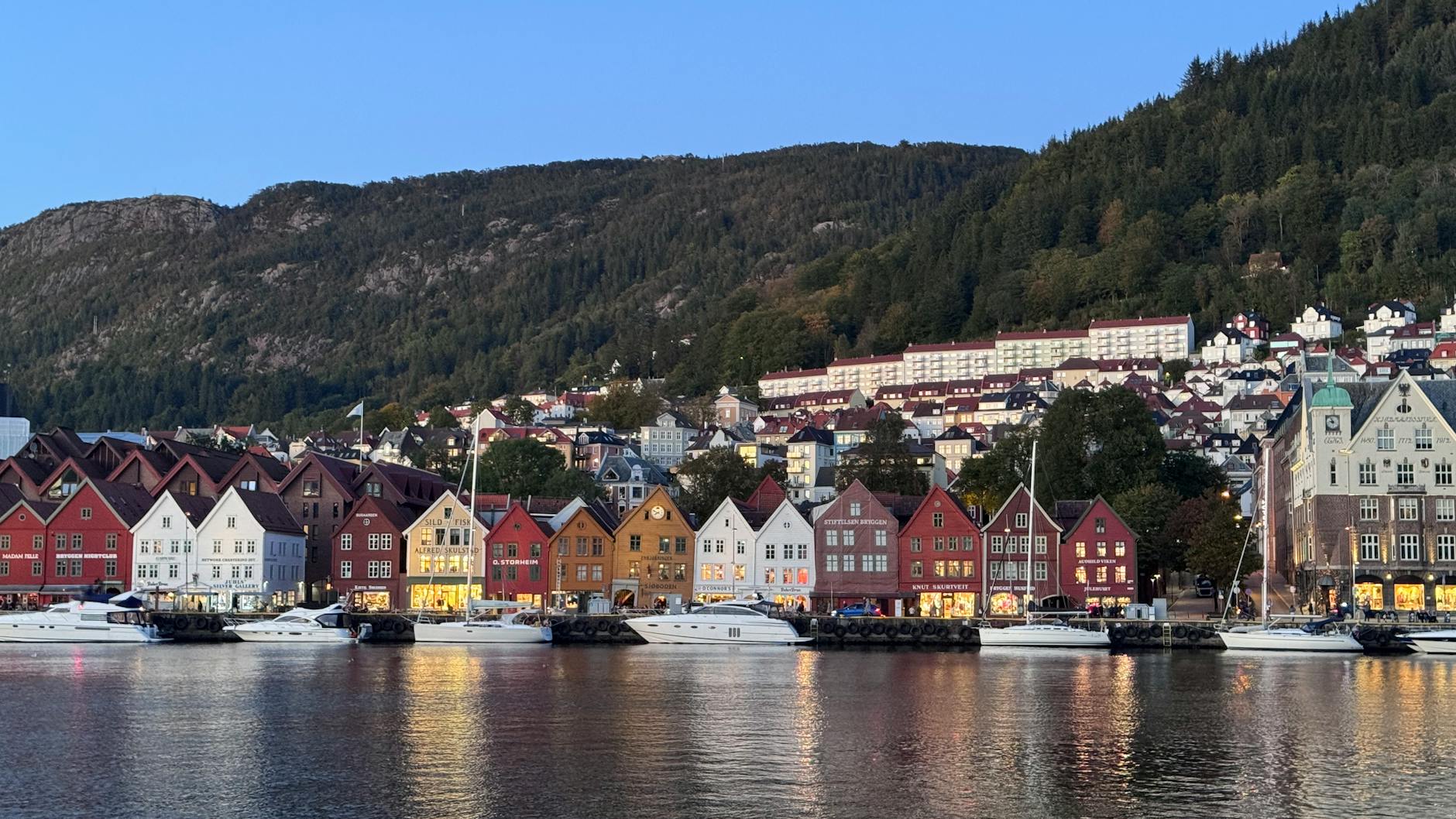
When to order a short-term travel report
A solo traveler with a central hotel and flexible plans may not need a custom report. A report becomes useful when the stay is short, the traveler wants viewpoints or trails, arrival is late, budget matters, meals feel uncertain, phone reliability is a concern, or the route includes a ferry, rail departure, or fjord add-on.
The report should test hotel base, arrival route, rainy walking loops, meals, viewpoint timing, evening return, phone and payment backup, transport, and departure buffers. The value is a Bergen solo trip that feels independent without becoming needlessly exposed to weather and logistics.
- Order when hotel choice, arrival timing, rain, solo meals, viewpoints, evenings, or onward transport need exact planning.
- Provide dates, arrival details, hotel candidates, walking tolerance, budget, meal preferences, and solo comfort boundaries.
- Use the report to make the Bergen solo trip calm, flexible, and self-contained.