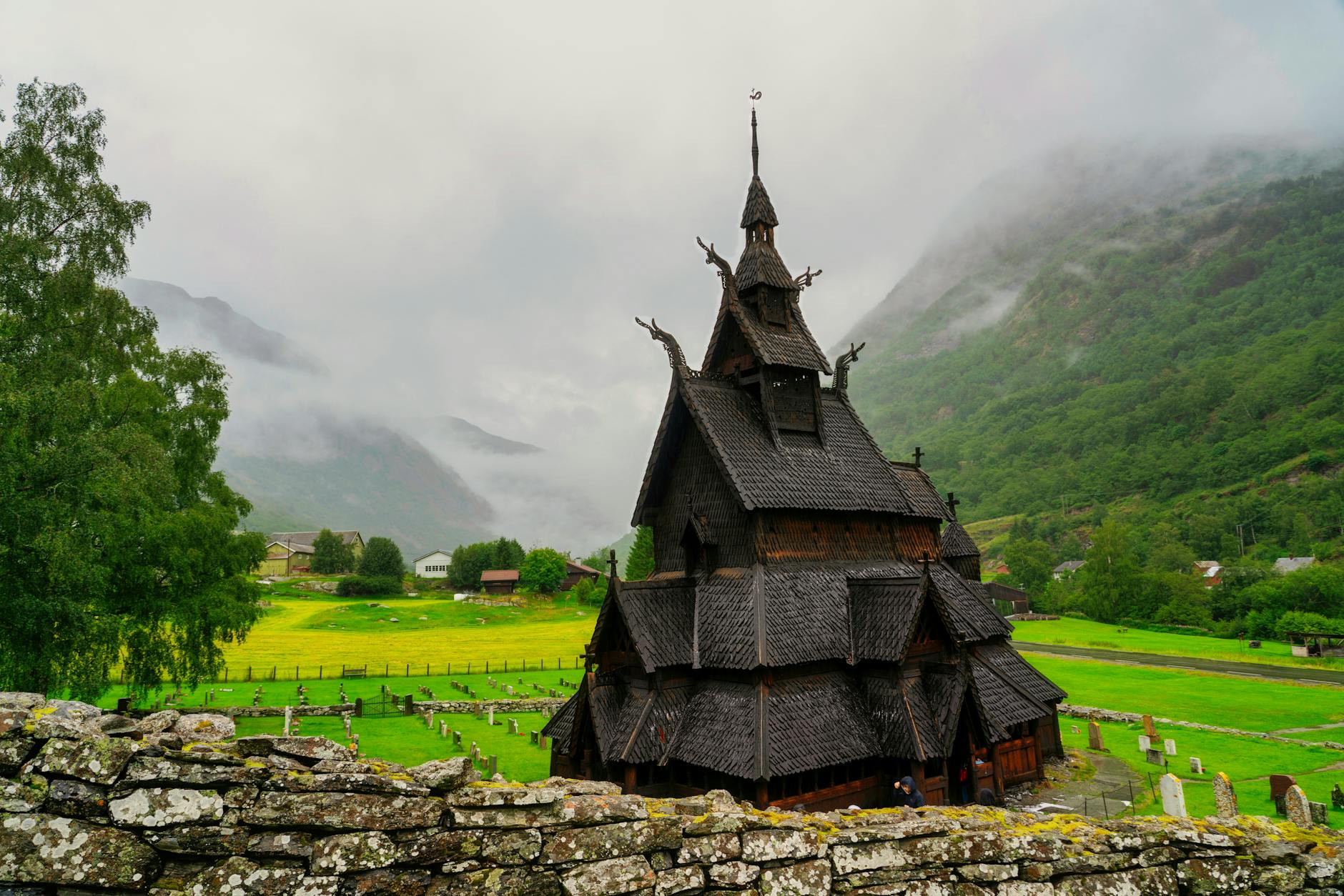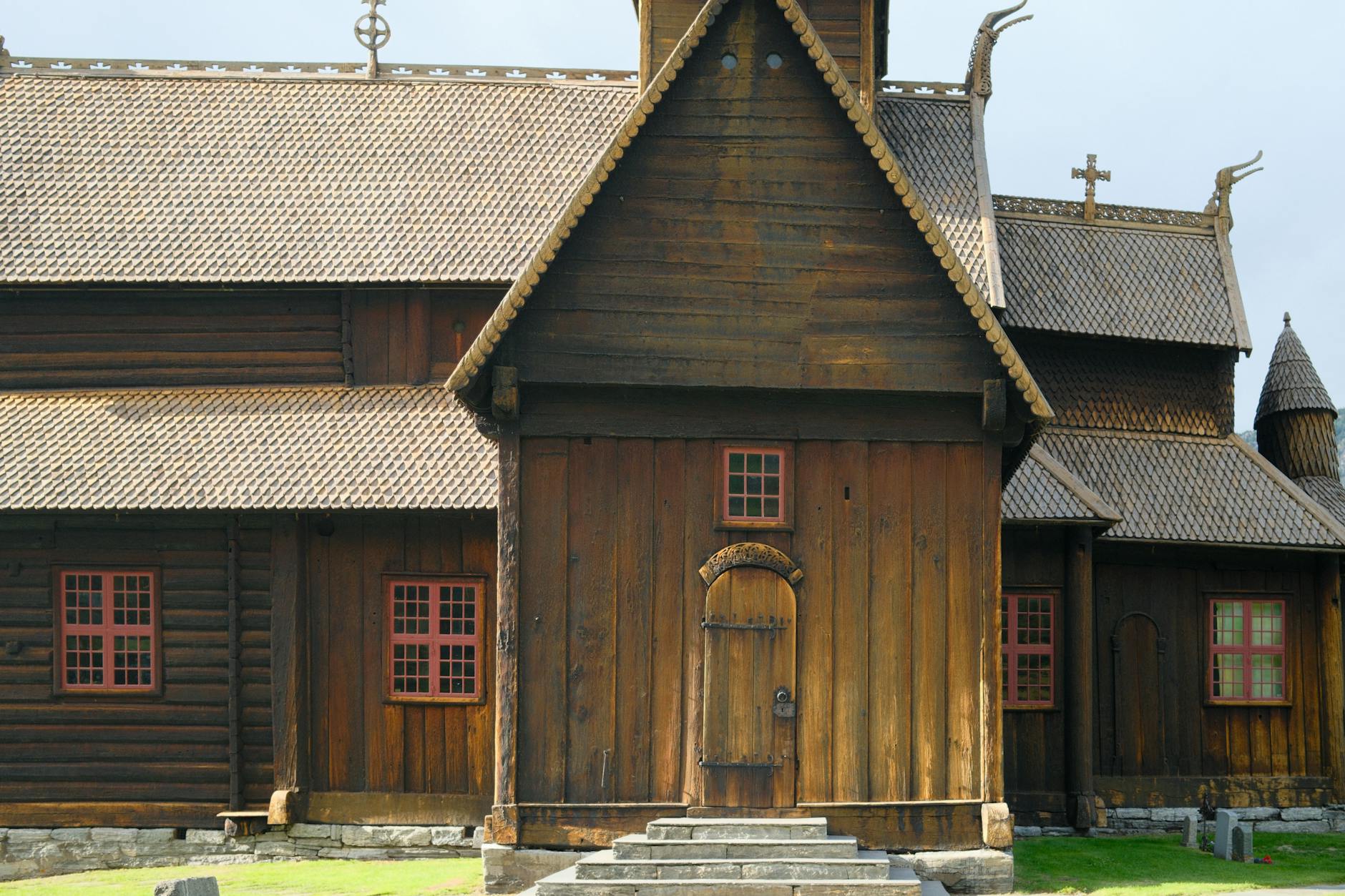
A religious or pilgrimage trip to Bergen should be planned around intention as much as geography. The stay may include worship, heritage sites, reflection, community visits, music, architecture, or a quieter personal rhythm, but Bergen's rain, slopes, opening hours, active worship spaces, and short-stay limits still need practical planning.
Decide the purpose of the visit
A religious or pilgrimage traveler should first decide whether the Bergen stay is for worship, family heritage, sacred architecture, reflection, music, community connection, or a pause within a larger journey. Those purposes create different schedules and different standards for what counts as a successful day.
The purpose should lead the itinerary.
- Name the main purpose before choosing churches, historic sites, walks, meals, or side trips.
- Check whether the traveler needs worship attendance, private prayer time, heritage context, or quiet reflection.
- Avoid turning a meaningful visit into a rushed list of buildings.
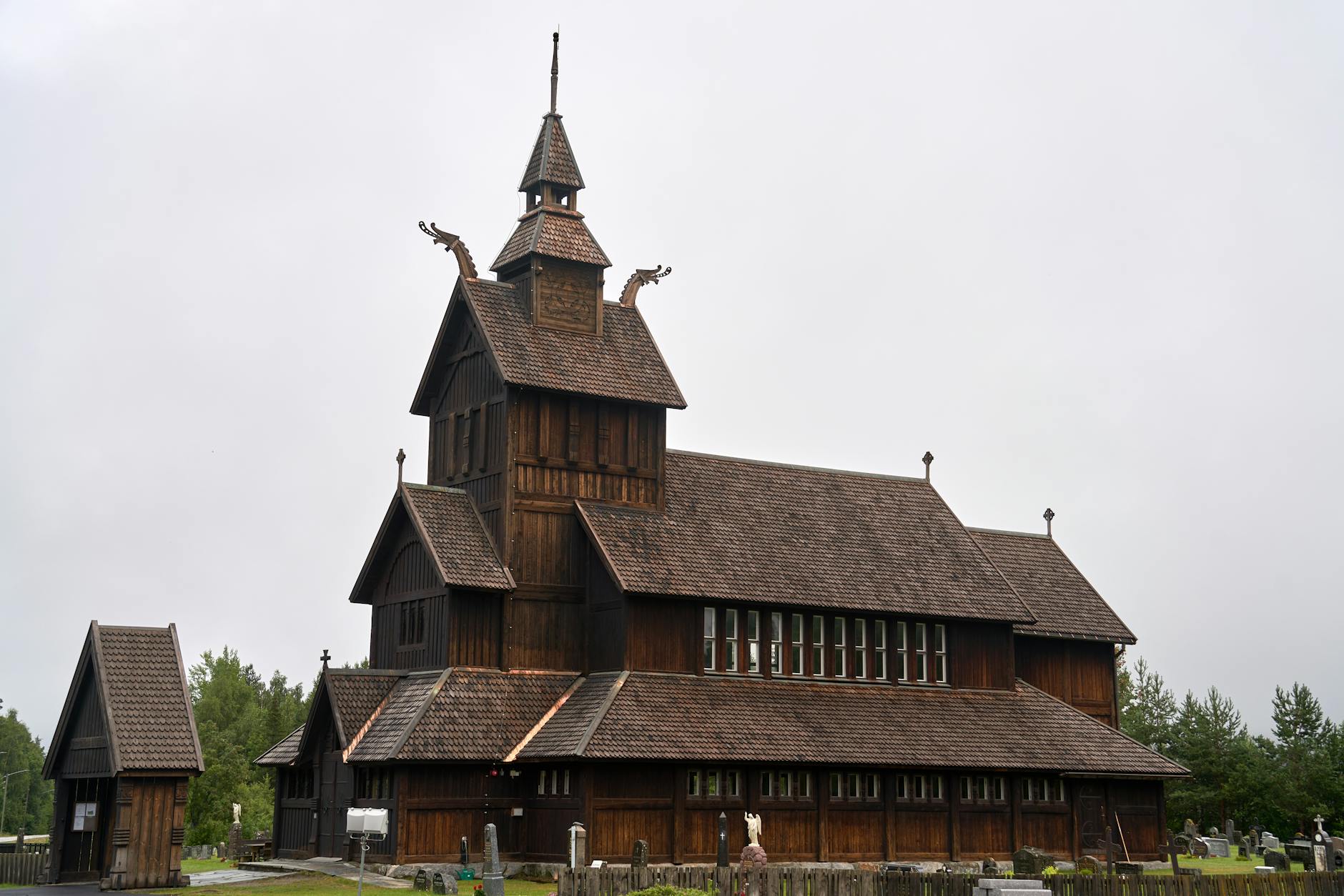
Check sacred-site hours and service timing
Religious sites are not always open like museums, and active worship spaces may close for services, concerts, maintenance, private events, or seasonal schedules. A short Bergen stay should not rely on assumptions about when a church or sacred space can be entered.
Timing should be checked before arrival.
- Confirm opening hours, worship times, ticket rules, concerts, guided visits, and any closures.
- Place fixed services or appointments before flexible sightseeing.
- Keep a backup quiet site or indoor pause if weather or access changes the plan.
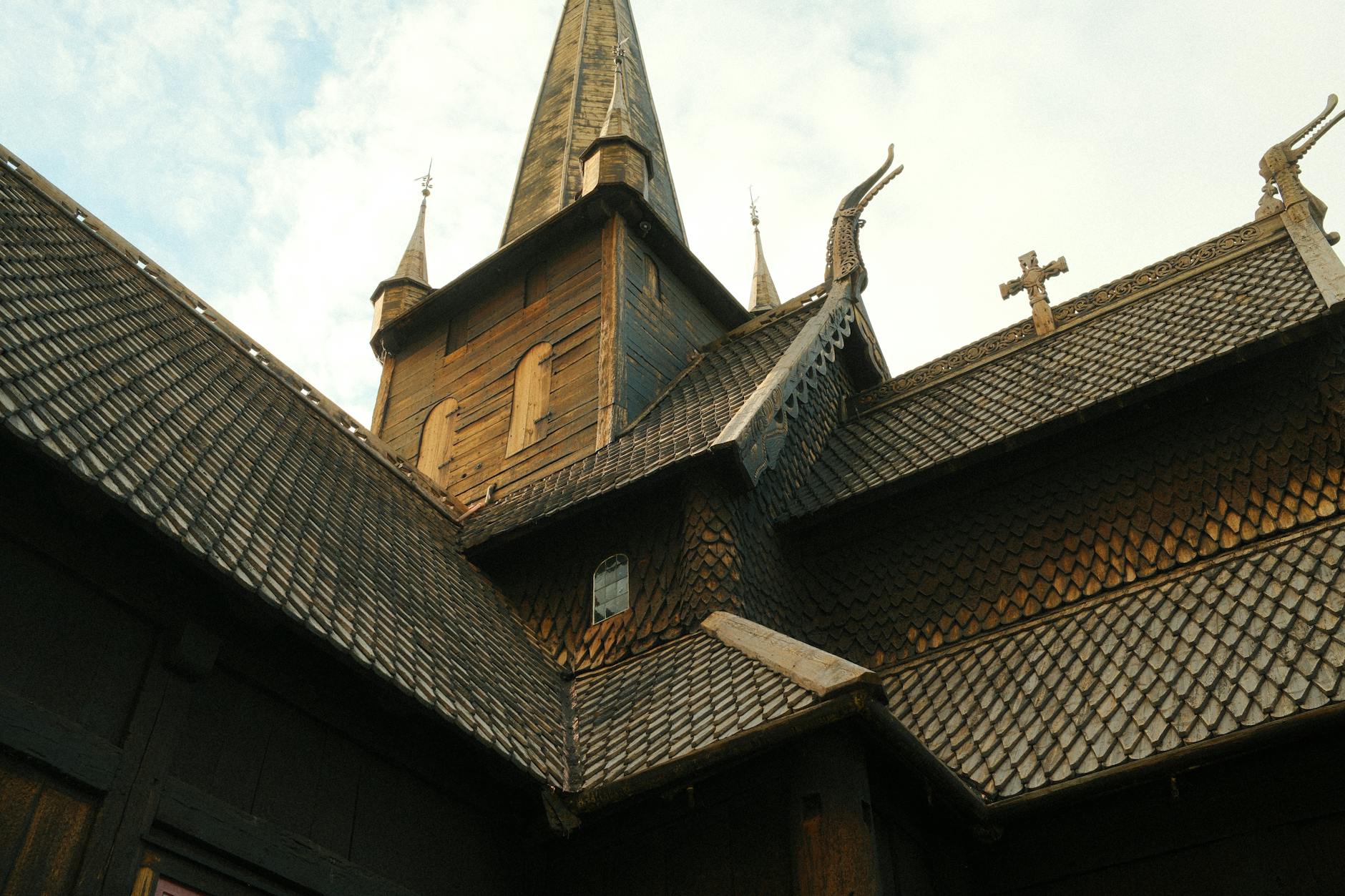
Respect active worship spaces
A sacred site may also be a working community space. Travelers should think about clothing, silence, photography, posted rules, offerings, services in progress, and whether a visit belongs in public content or private memory.
Respect should be planned, not improvised.
- Check photography, filming, dress, seating, donation, and silence expectations before entering.
- Avoid treating worshippers, clergy, or private rituals as scenery.
- Give groups clear conduct expectations before visiting an active religious site.
Plan routes, weather, and quiet time
Bergen's rain, hills, wet surfaces, and short daylight can affect the emotional rhythm of a religious trip. A route with too much exposure or too little rest can turn reflection into fatigue.
Quiet time needs space in the day.
- Build a route that allows slow arrivals, dry pauses, and time to sit without rushing onward.
- Use shoes, layers, and bag protection that work for rain and old streets.
- Keep a sheltered pause near the hotel, harbor, or worship site for reflection or recovery.
Coordinate groups and accessibility
Religious travel often involves couples, families, elders, clergy, choirs, study groups, or travelers with mobility needs. The plan should make entrances, seating, stairs, toilets, transport, and pacing clear before the group arrives.
Group care is part of the pilgrimage.
- Confirm step-free needs, seating, toilets, group size limits, and transport for each stop.
- Give the group simple meeting points and realistic timing in wet weather.
- Avoid adding extra stops if the main purpose needs energy and attention.
Keep meals and evenings simple
Meals, evening walks, and hotel returns should support the religious purpose rather than crowd it out. Bergen can provide calm harbor time and good meals, but late plans, alcohol expectations, or long wet walks may not fit the trip's tone.
The evening should close the day well.
- Choose meals by timing, diet, budget, quietness, and distance from the hotel or worship site.
- Keep evening routes short if the day included services, group movement, or emotional visits.
- Leave time for prayer, journaling, family conversation, or rest before departure.

When to order a short-term travel report
A religious or pilgrimage traveler with one known service and flexible time may not need a custom report. A report becomes useful when sacred-site hours are uncertain, the group has accessibility needs, worship timing is fixed, weather could affect the route, heritage context matters, or the traveler wants a quiet itinerary that does not become generic sightseeing.
The report should test purpose, site hours, worship timing, respectful conduct, route pacing, rain plans, accessibility, meals, quiet time, and departure buffers. The value is a Bergen religious trip that stays practical without losing its purpose.
- Order when worship timing, sacred-site hours, route pacing, weather, accessibility, meals, or departure timing need exact planning.
- Provide dates, religious priorities, group size, mobility needs, dietary needs, hotel candidates, and arrival details.
- Use the report to keep the Bergen pilgrimage or religious stay focused, respectful, and calm.