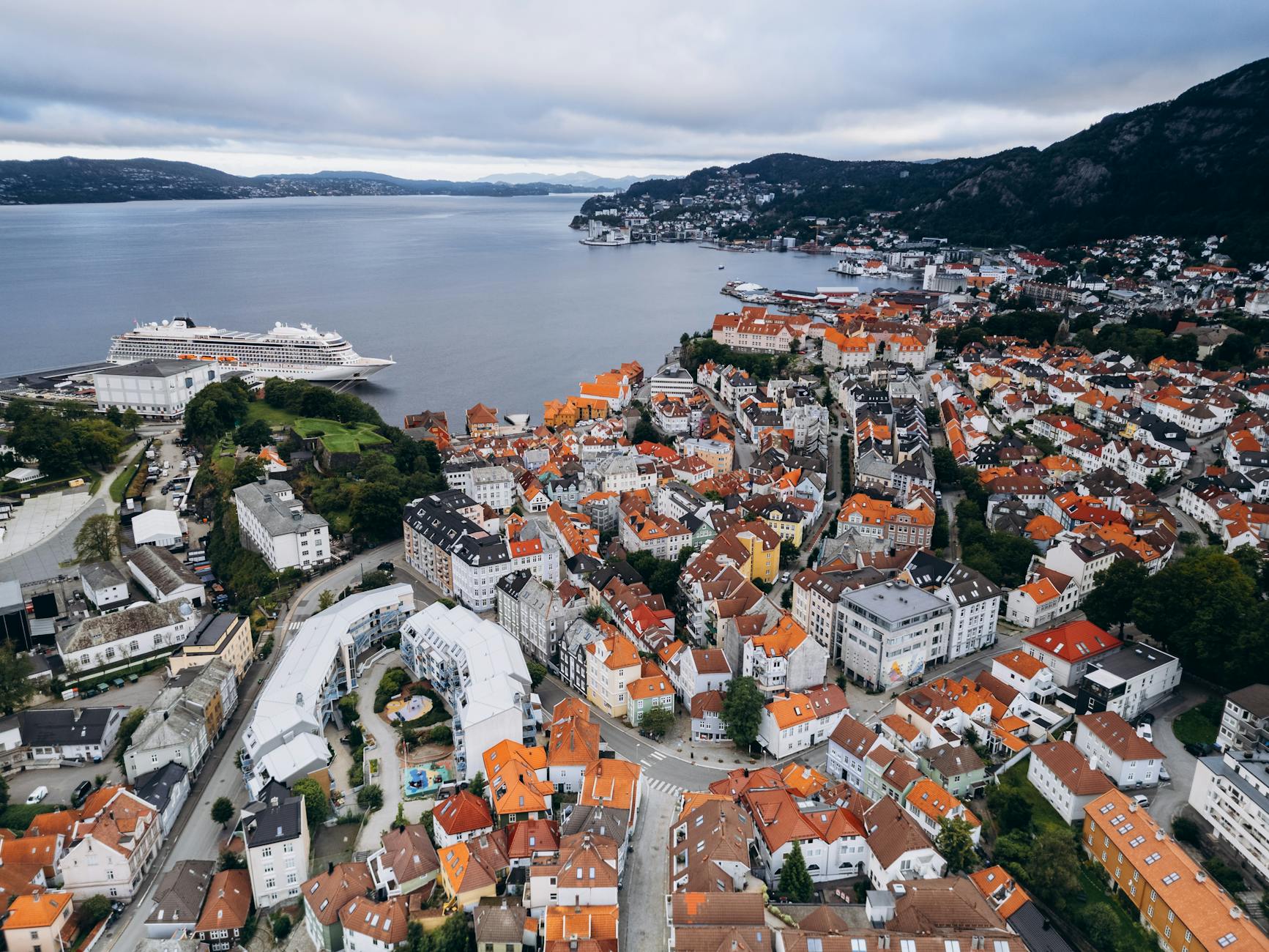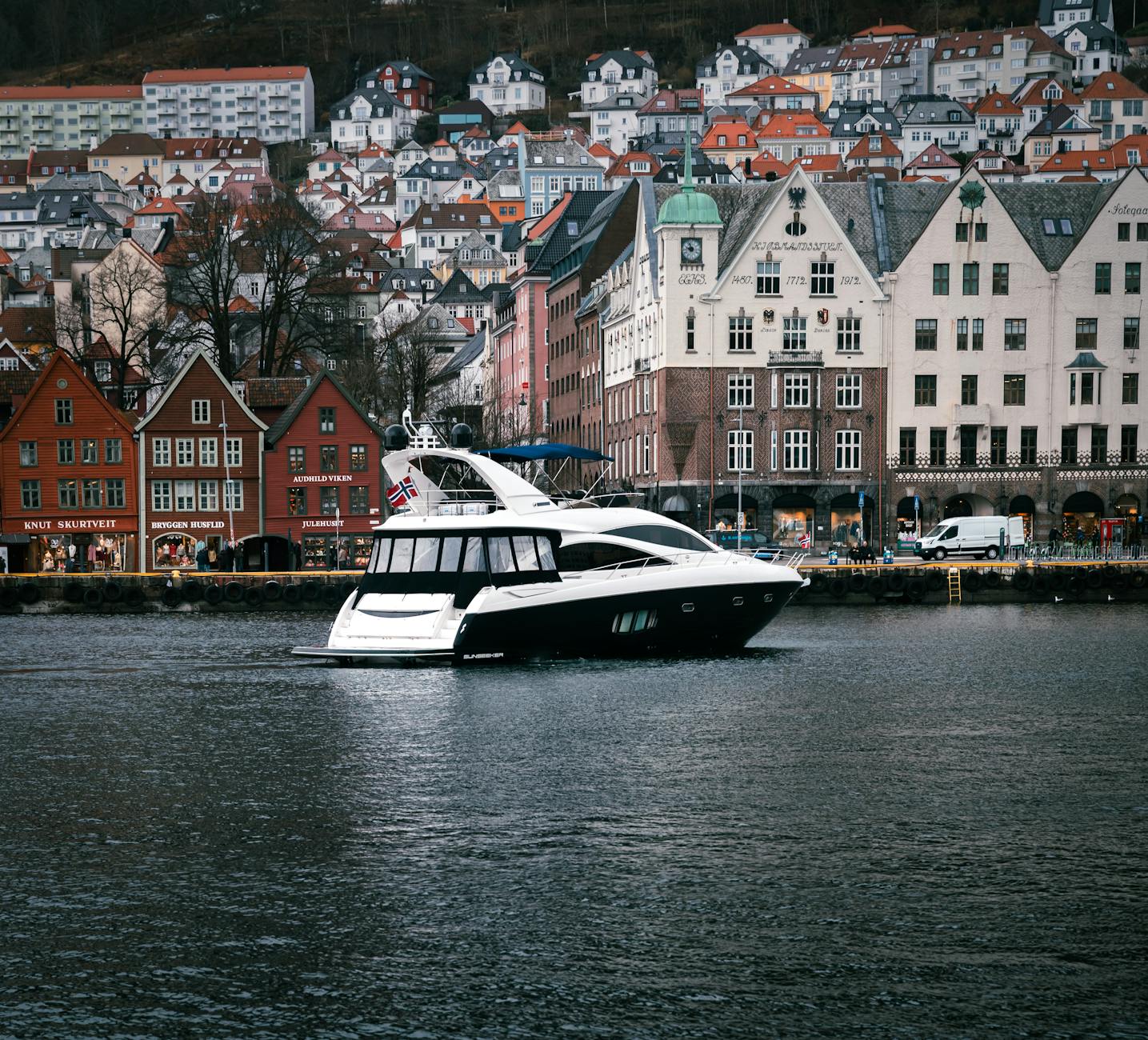
Bergen can feel quietly luxurious when the trip is built around comfort, weather control, and a strong sense of place. The city is not about constant spectacle. Its best high-comfort version comes from a well-chosen harbor base, polished meals, flexible viewpoint timing, rain-aware movement, and enough space to enjoy the city without forcing every hour to prove value.
Choose a base that earns its price
A luxury Bergen stay should start with the hotel decision, not with a loose sightseeing list. The best base usually reduces friction around rain, harbor walks, dining, transfers, and recovery. A beautiful room matters, but the route from lobby to city matters just as much.
The hotel should buy control.
- Compare harbor access, room quiet, breakfast quality, elevator access, concierge usefulness, and wet-weather returns.
- Check whether the room, restaurant, taxi pickup, and lobby can support a slow reset between outings.
- Avoid paying for a view if the location makes every meal, transfer, or evening return less comfortable.
Use Bryggen as texture, not the whole stay
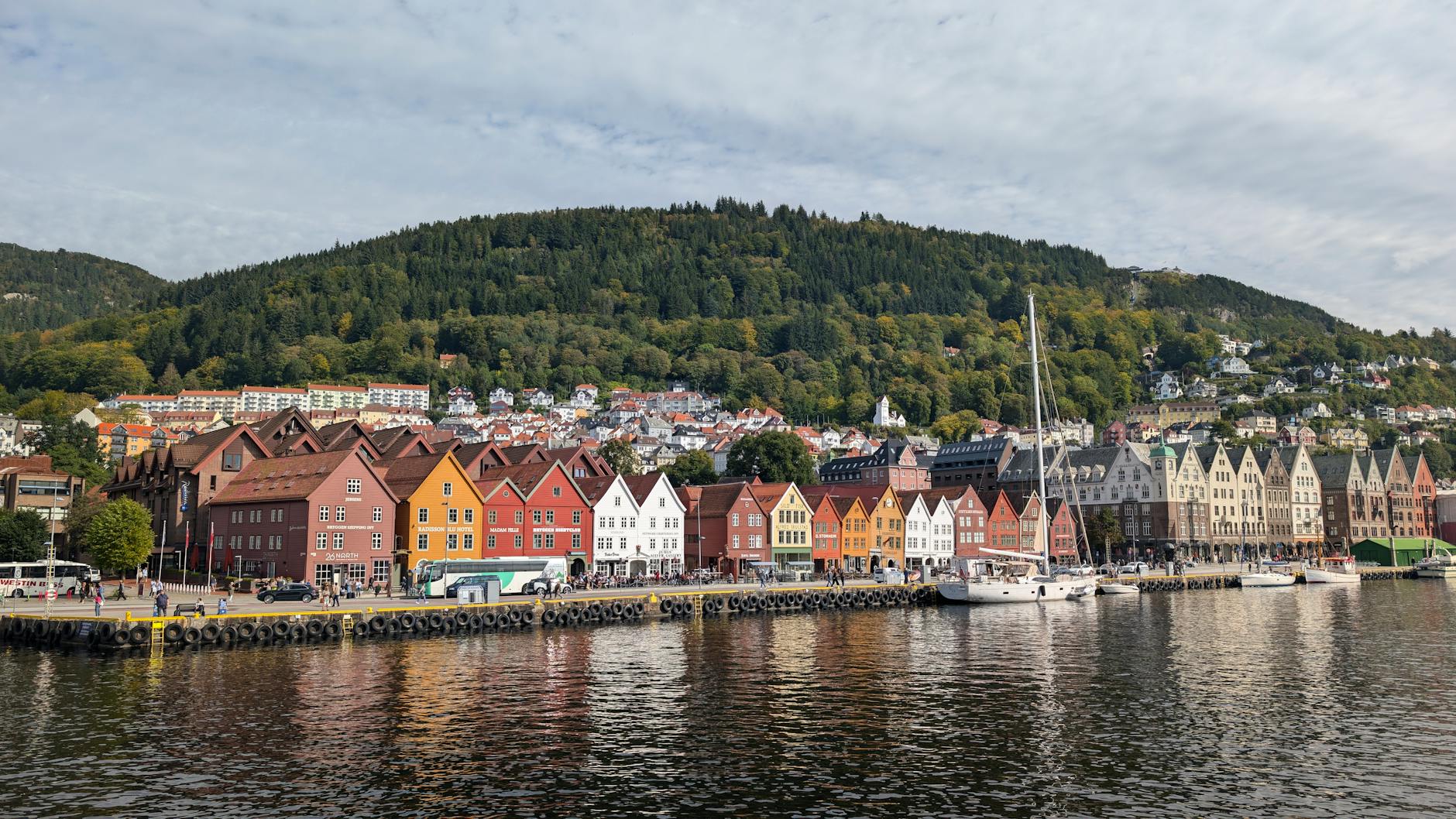
Bryggen is essential, but a luxury traveler should avoid reducing Bergen to one waterfront photograph. The better version uses the old wharf, harbor edges, museums, nearby streets, and a strong meal as one coherent atmosphere.
Familiar sights work better when they are paced.
- Visit Bryggen at a calmer time of day if crowding would weaken the experience.
- Pair the waterfront with a museum, cafe, shop, or short harbor walk rather than rushing through it.
- Build enough space to notice the setting instead of treating it as a checklist stop.
Make dining deliberate
Bergen dining is strongest when it supports the trip's rhythm: seafood, market browsing, a polished dinner, a warm cafe after rain, or a hotel meal that keeps the evening easy. The expensive mistake is chasing reputation without checking geography, weather, or how the day feels.
Dining should deepen the stay, not scatter it.
- Choose one or two meals intentionally rather than making every meal a reservation project.
- Check opening hours, reservation rules, dietary needs, local price levels, and wet-weather transport.
- Keep a close hotel or harbor option for the night after a viewpoint, fjord outing, or late arrival.
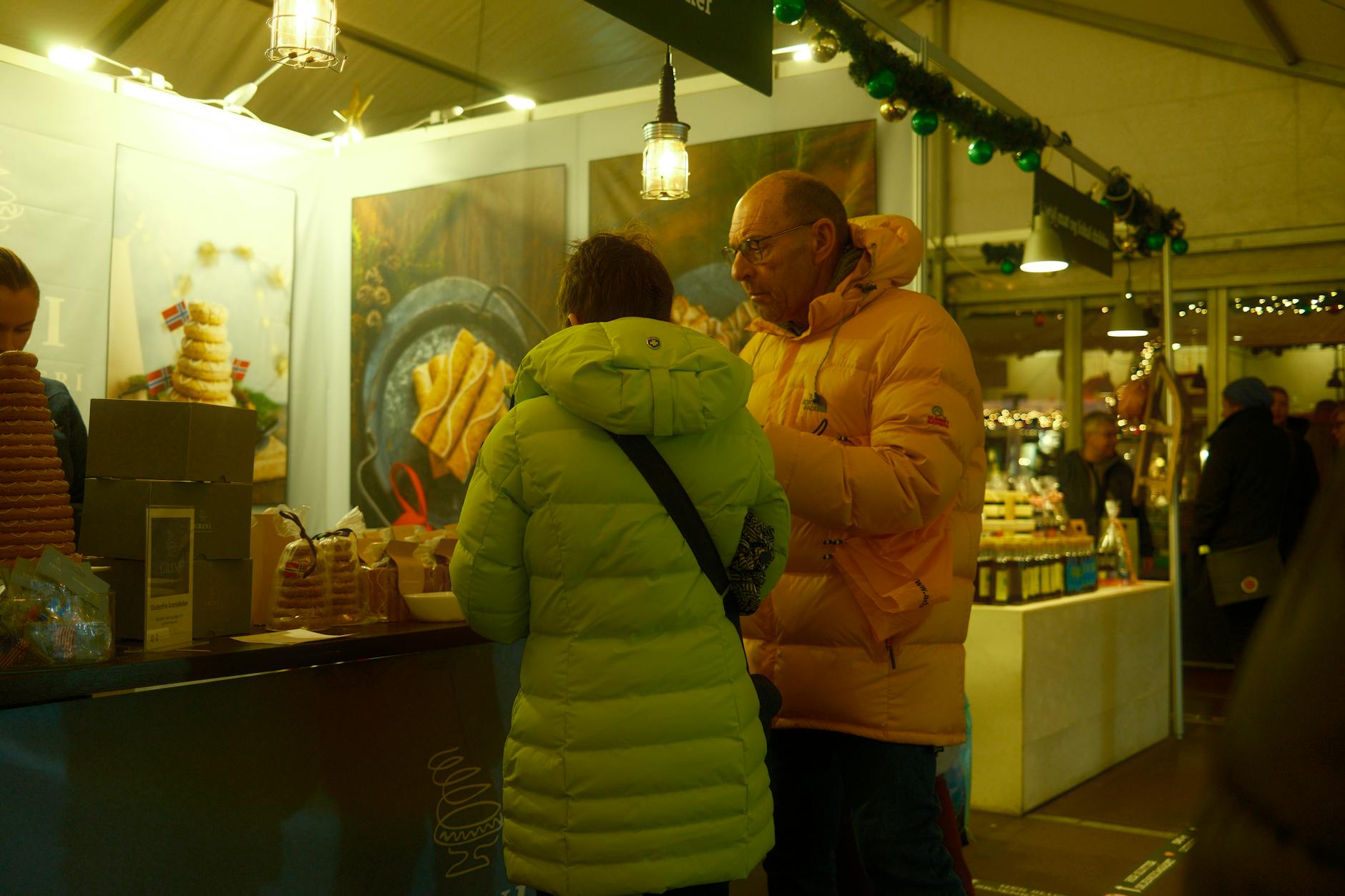
Treat the viewpoint as a premium weather call
A mountain view over Bergen can justify part of the trip, but only when the weather cooperates. Luxury planning should make the viewpoint flexible enough to move into a clear window instead of forcing it through fog, queues, or fatigue.
The view should feel chosen, not salvaged.
- Check cloud, wind, rain, visibility, queues, and return timing before committing.
- Use the viewpoint as one major event, with a meal or rest period around it.
- Keep a museum, spa, long lunch, or harbor plan ready if the sky closes in.
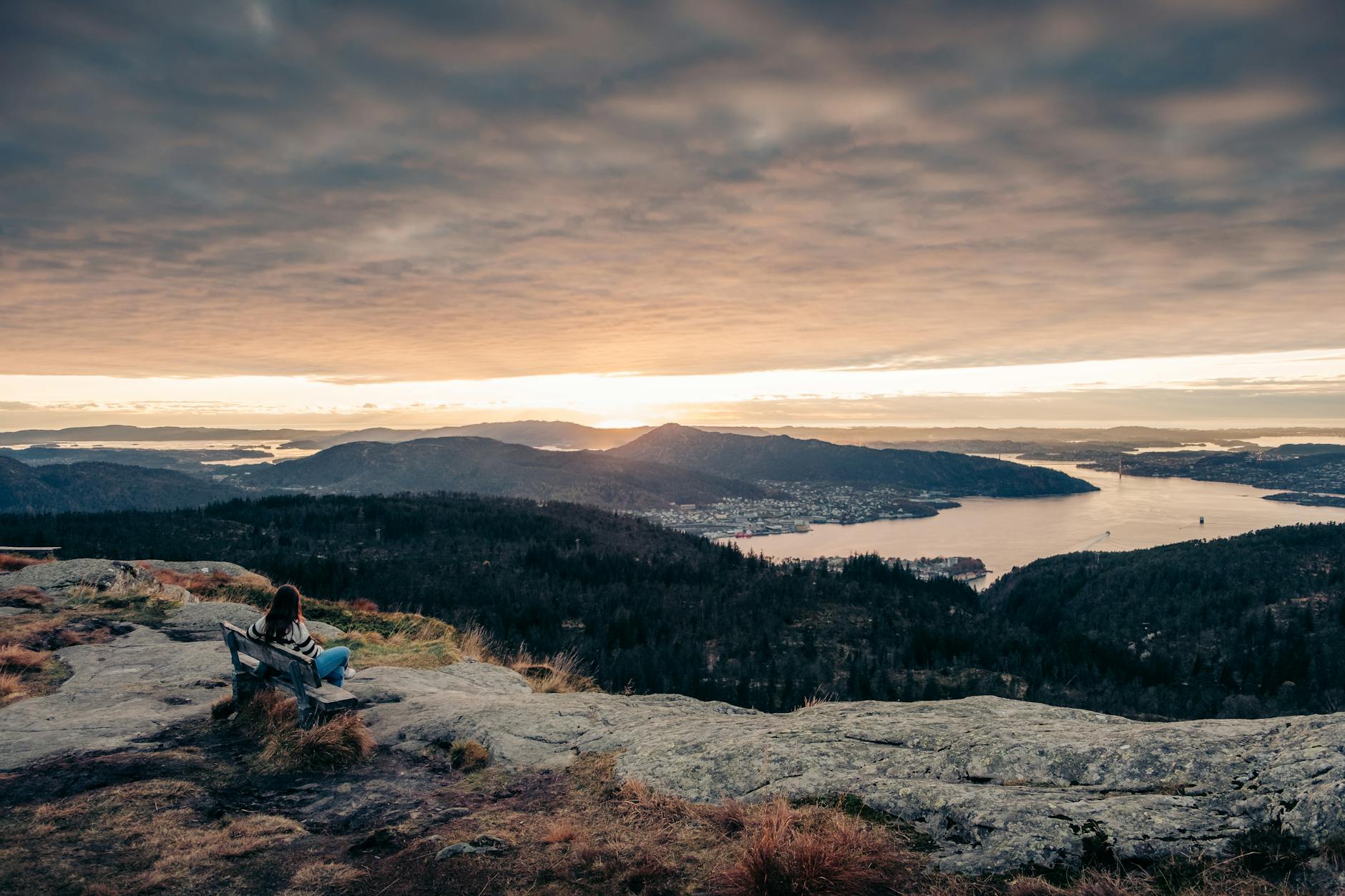
Plan luxury around rain and transitions
In Bergen, comfort is often decided during transitions: hotel to restaurant, harbor to viewpoint, taxi to lobby, wet clothing to dinner clothes. Luxury travelers should plan these small moments instead of assuming service alone will absorb the weather.
Rain management is part of the premium product.
- Pack shoes, layers, and outerwear that can handle wet cobblestones without looking improvised.
- Use taxis or short planned walks when rain would make a polished evening feel messy.
- Confirm luggage, laundry, drying space, and late checkout if weather or departure timing is awkward.
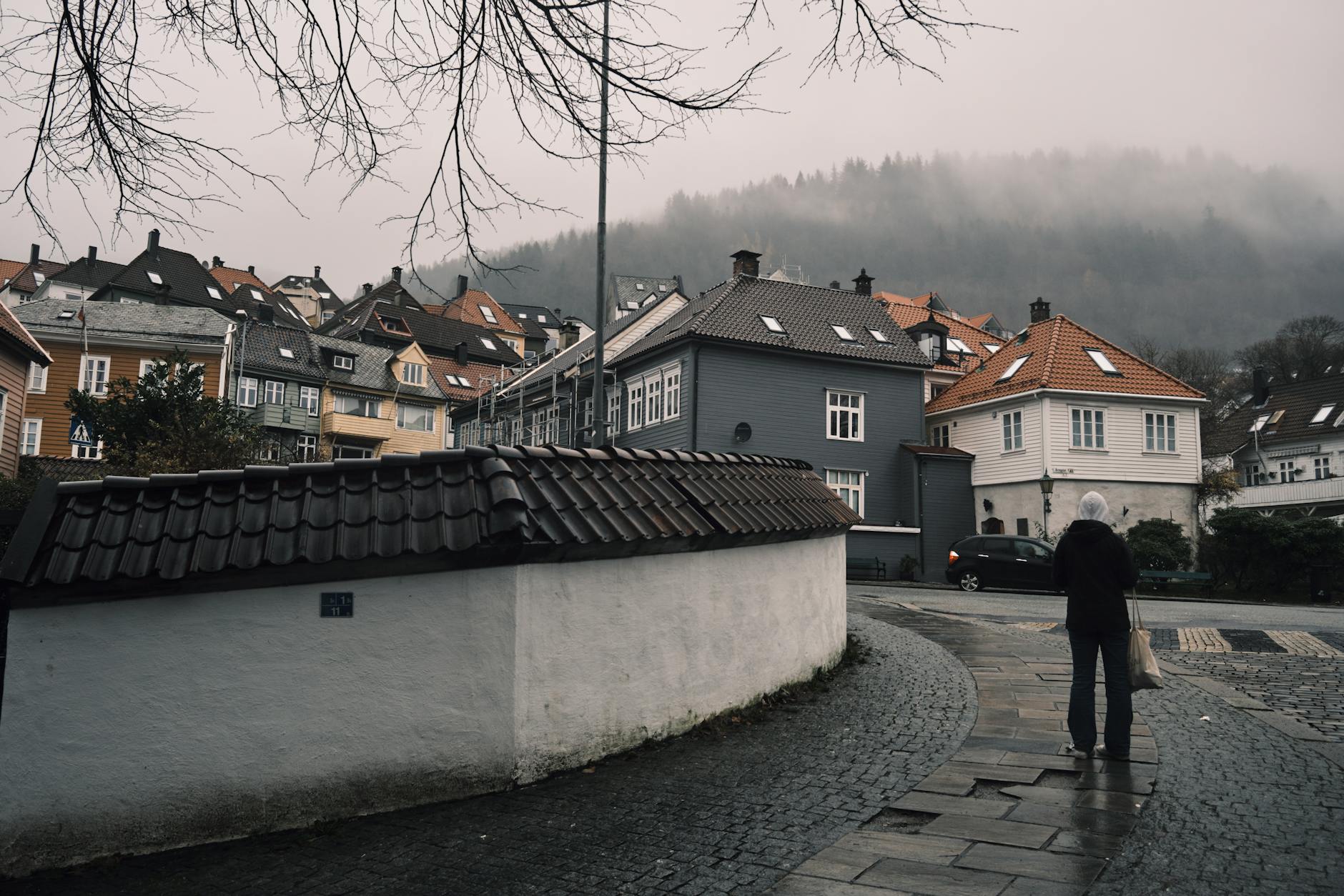
Keep evenings polished and close
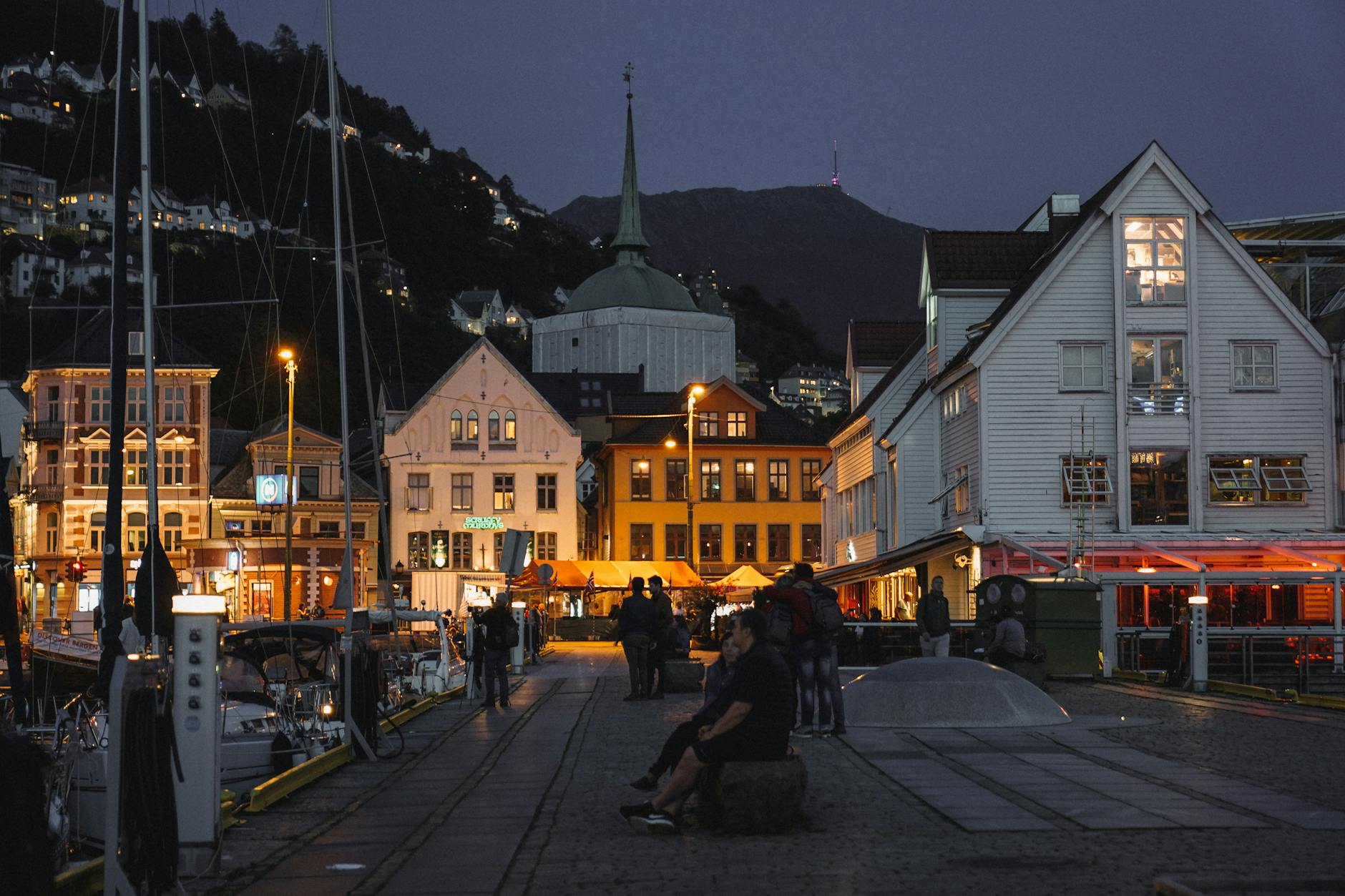
Bergen evenings are best when they do not become a long wet return at the end of an expensive day. A luxury traveler usually does better with one compact evening zone, a strong meal, and a return route that stays simple.
The night should protect the next morning.
- Choose dinners, bars, and walks near the hotel, harbor, or an easy taxi pickup.
- Avoid late overextension before flights, rail departures, fjord outings, or early viewpoint plans.
- Keep the evening flexible enough to turn rain into atmosphere rather than inconvenience.
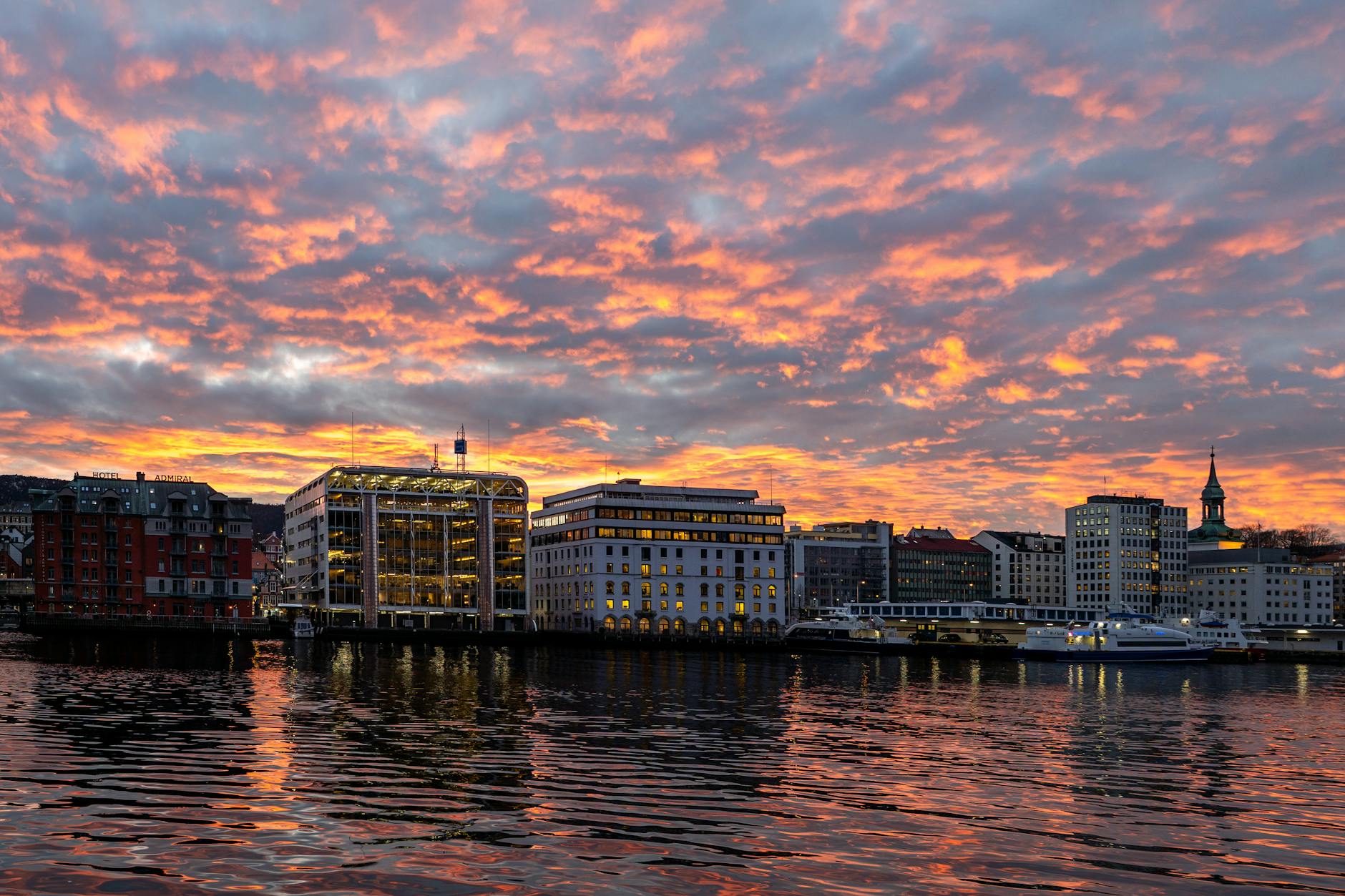
When to order a short-term travel report
A luxury traveler with a familiar hotel and flexible weather expectations may not need a custom report. A report becomes useful when the stay is short, costly, built around a specific hotel, tied to fjord travel, dependent on views, or meant to combine dining, comfort, and punctual transfers cleanly.
The report should test hotel value, arrival transfer, room and route practicality, rain plans, dining geography, viewpoint timing, fjord add-ons, evening returns, and departure buffers. The value is a Bergen trip where the money buys calm rather than merely nicer materials.
- Order when hotel choice, transfers, rain, dining, viewpoint timing, fjord add-ons, or departure timing need exact planning.
- Provide dates, hotel candidates, room priorities, dining preferences, budget, arrival details, and non-negotiable experiences.
- Use the report to make Bergen feel comfortable, atmospheric, and precisely paced.