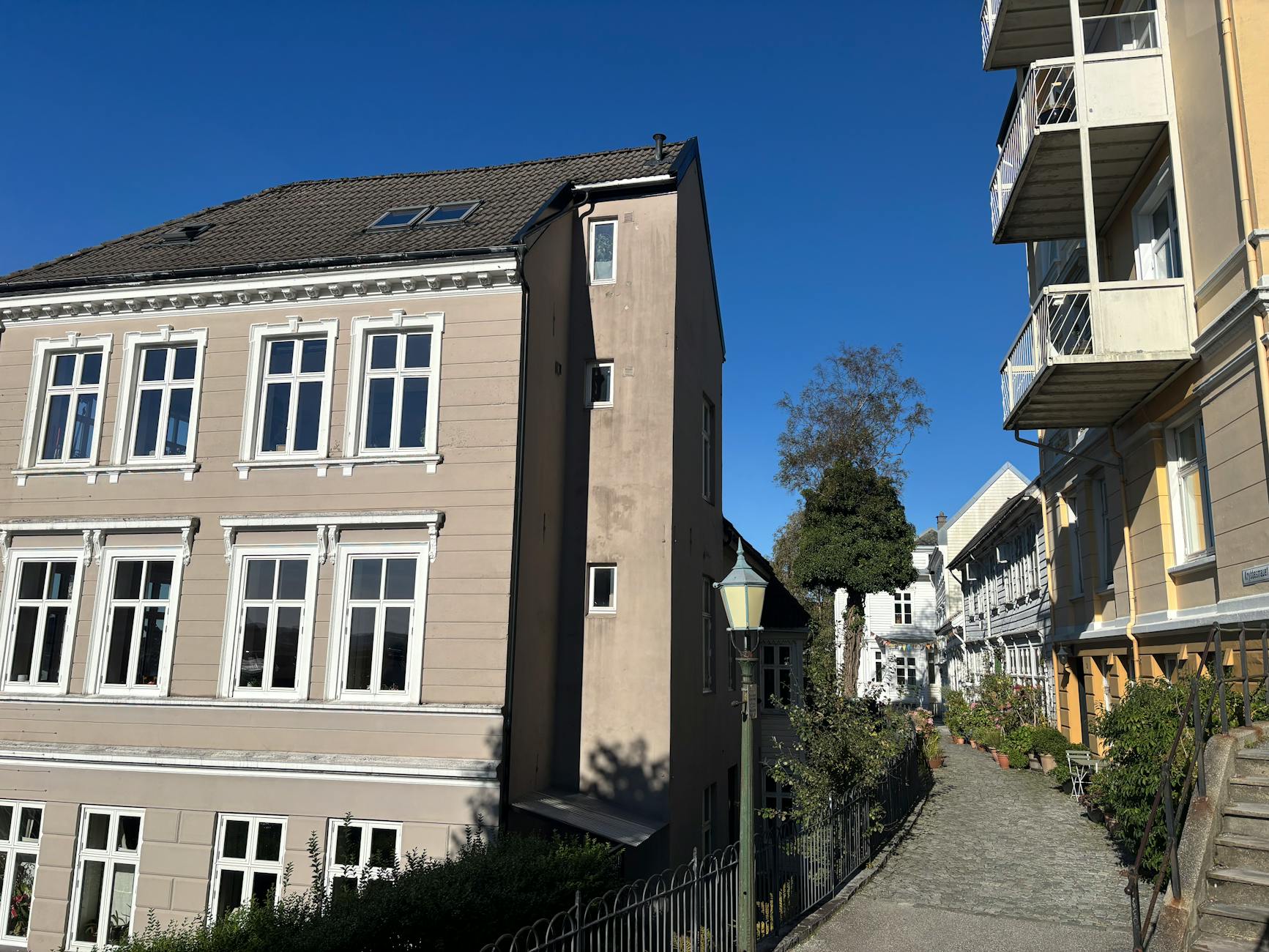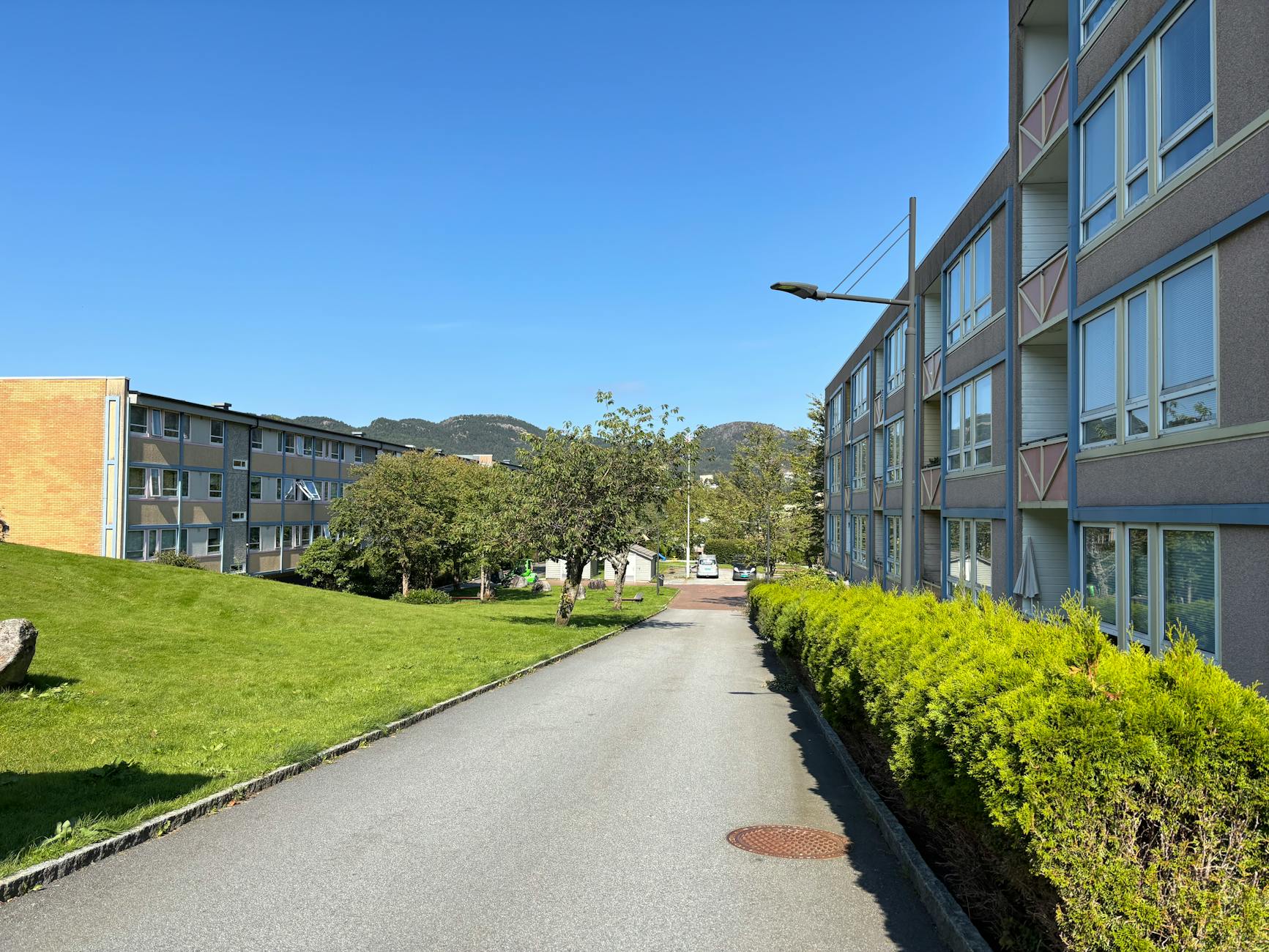
A Bergen reporting trip needs a tighter plan than a leisure visit. Interviews, access, source protection, visual context, weather, equipment, filing time, quiet calls, and departure deadlines all need to fit into a short stay without letting the city's beauty distract from the assignment.
Define the assignment geography
A journalist should know whether the Bergen trip is about politics, culture, climate, shipping, tourism, universities, community work, or a single interview. That focus changes which neighborhoods, sources, visuals, and filing windows matter.
The assignment should shape the map.
- Plot interviews, public locations, visual scenes, archives, hotel, transport, and quiet filing locations.
- Separate essential source meetings from optional background stops.
- Leave margin for a source who changes location, delays access, or offers a better lead.
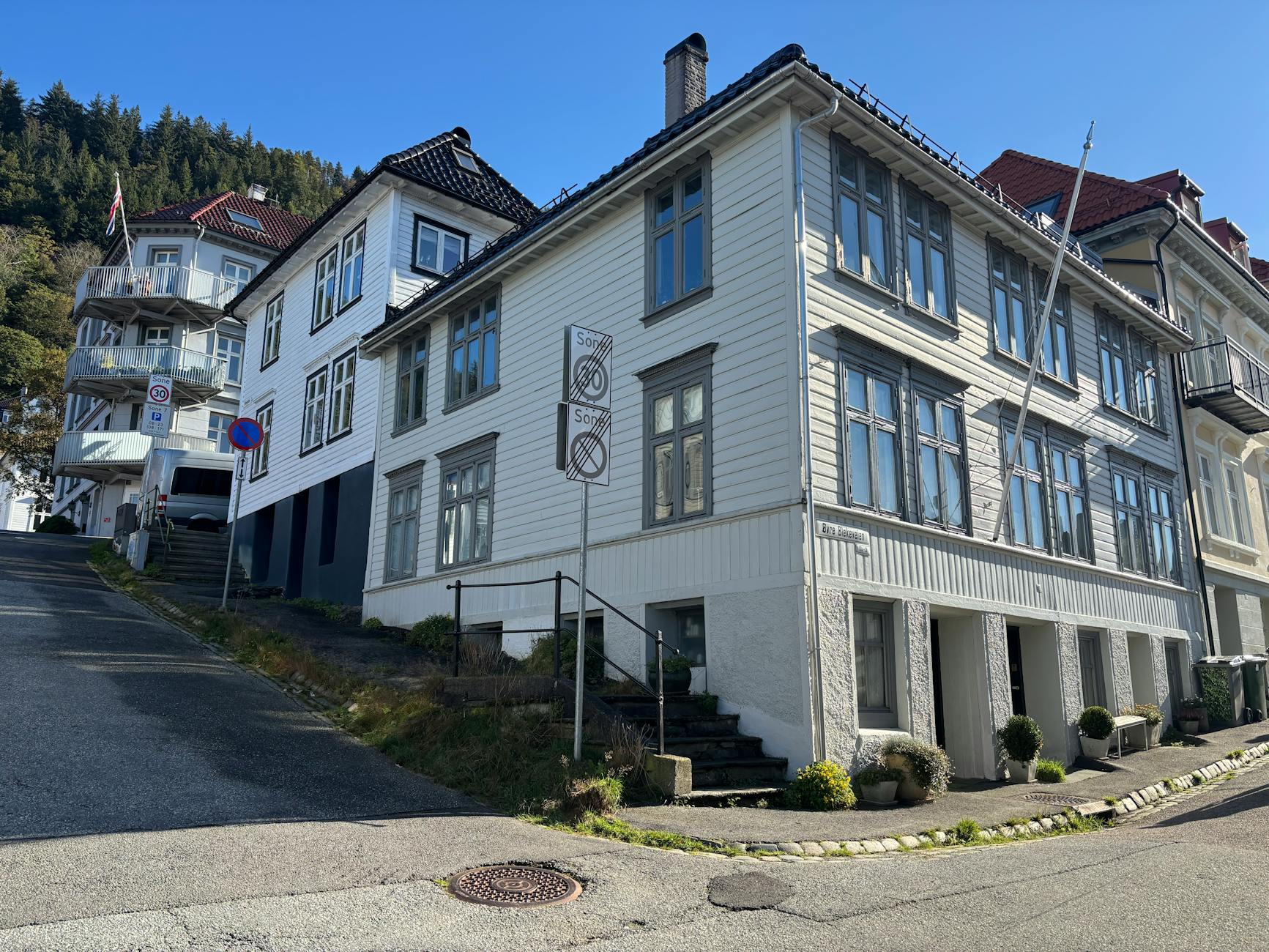
Build interview and access plans early
Short reporting windows are vulnerable to vague interview plans. A journalist should confirm contact details, locations, language needs, permissions, recording expectations, photo limits, and backup sources before arriving.
Access should not be improvised at the last minute.
- Confirm interview time, place, consent, translation needs, recording rules, and photo expectations.
- Keep backup sources and public records options ready if a key interview collapses.
- Allow enough time after major interviews for notes and follow-up questions.
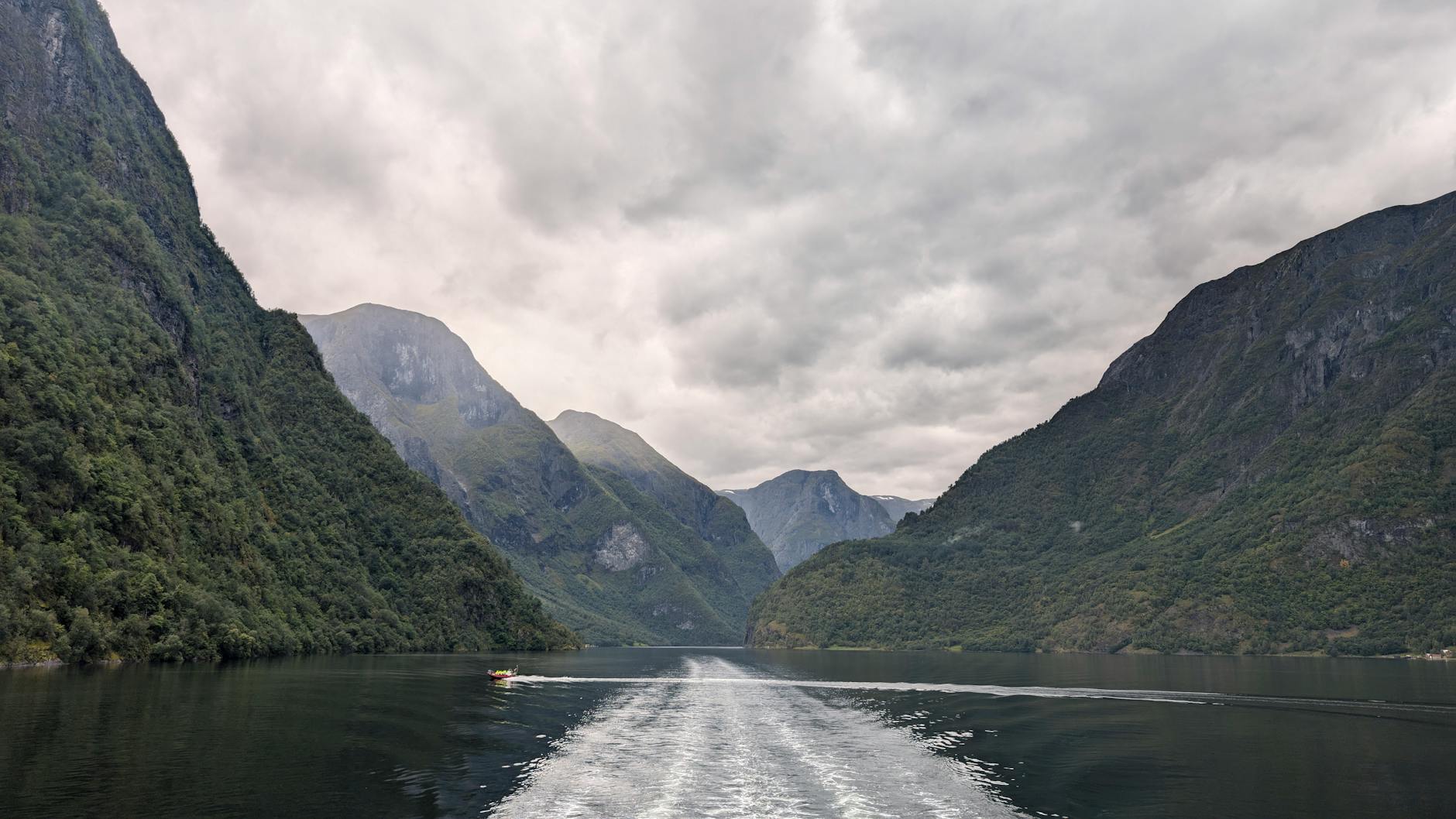
Choose a filing base with care
A journalist may need quiet work, calls, uploads, transcription, charging, and source review between reporting blocks. The hotel, coworking option, or newsroom contact should support that work without exposing sensitive conversations.
Filing space is part of the reporting plan.
- Check desk quality, Wi-Fi reliability, power, quiet-room options, and backup work locations.
- Avoid source calls or sensitive notes in crowded lobbies, cafes, or taxis.
- Protect time to file, transcribe, caption, and verify details before departure pressure begins.
Respect source care and permissions
Bergen may feel easy to move through, but source care still matters. A journalist should be explicit about attribution, photography, vulnerable people, off-record boundaries, and whether a location should be described precisely.
Good logistics support ethical reporting.
- Clarify attribution, anonymity, photography, recording, and publication context with each source.
- Ask before sharing identifiable images from private or sensitive settings.
- Keep notes organized enough to separate confirmed facts from impressions and background color.
Protect equipment from rain
Bergen weather can damage notebooks, cameras, microphones, laptops, batteries, and clothing before an interview or filing slot. Rain protection should be specific to the assignment gear, not just a personal jacket.
Weather can become an editorial risk.
- Pack weather protection for camera, audio, notebook, laptop, phone, power banks, and credentials.
- Build dry reset time before recorded interviews or stand-ups.
- Keep a low-tech backup for notes and contacts if batteries, networks, or devices fail.
Use visual context selectively
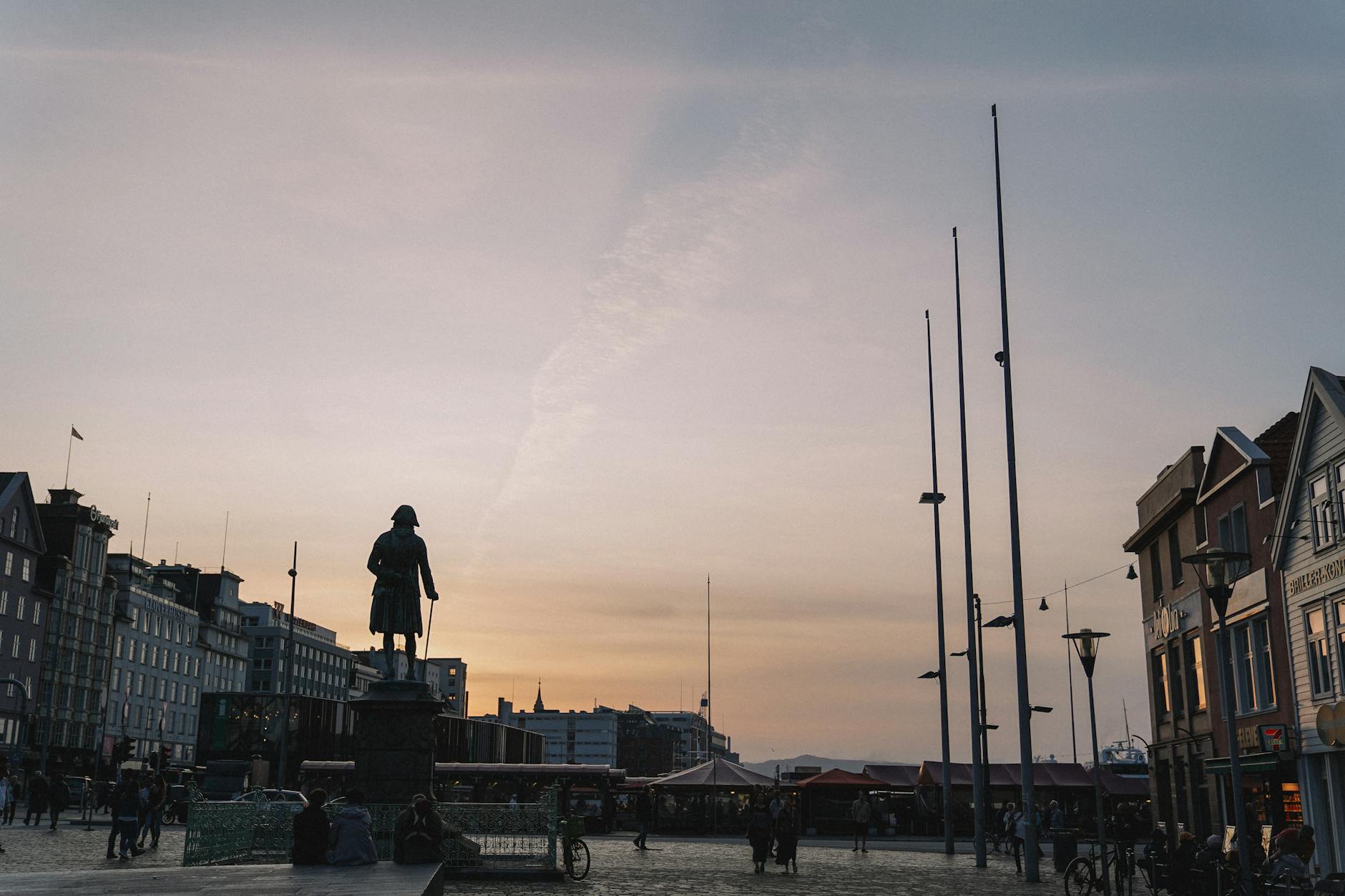
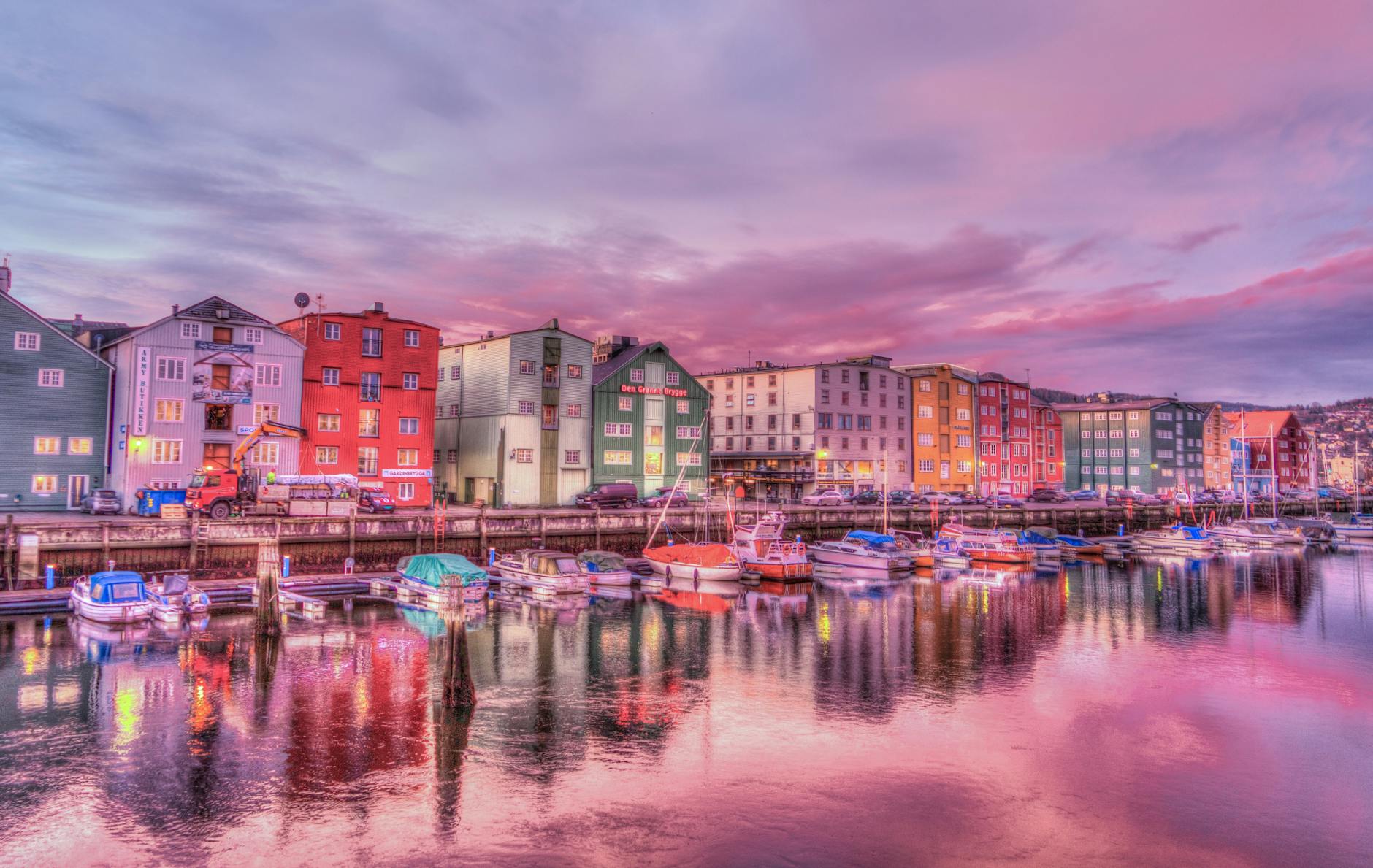
Bergen offers strong visual material, but a journalist should choose scenes that support the story rather than collecting pretty filler. Harbor, hillside, weather, street, and institutional visuals should connect to the assignment's claim.
Visuals should serve the reporting.
- List the establishing shots, detail images, and contextual scenes the story actually needs.
- Check whether permissions, crowds, lighting, rain, or private property affect the shot list.
- Avoid spending the best reporting window chasing visuals that do not advance the piece.
When to order a short-term travel report
A journalist with one arranged interview and flexible filing may not need a custom report. A report becomes useful when sources are spread out, access is uncertain, visual context matters, rain could affect equipment, filing time is tight, confidentiality matters, or departure sits close to a deadline.
The report should test assignment geography, source locations, access windows, rain-safe routing, filing spaces, connectivity, visual scenes, permissions, quiet calls, and departure buffers. The value is a Bergen reporting trip that supports accuracy, source care, and deadline control.
- Order when source geography, access, permissions, equipment, rain, filing space, visuals, or deadline timing need exact planning.
- Provide dates, assignment focus, interview addresses, access constraints, equipment needs, filing deadline, and arrival details.
- Use the report to keep the Bergen journalism trip focused, ethical, and deadline-ready.