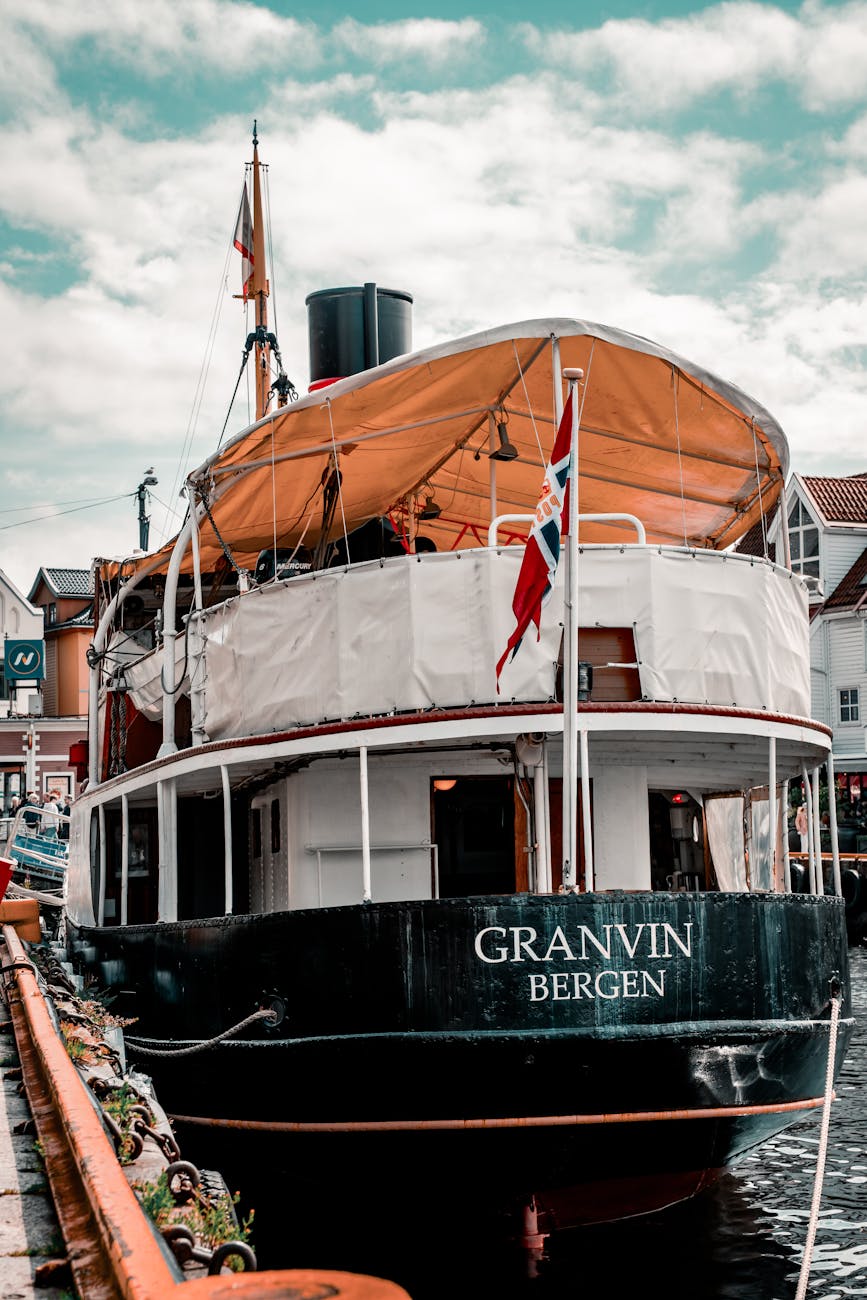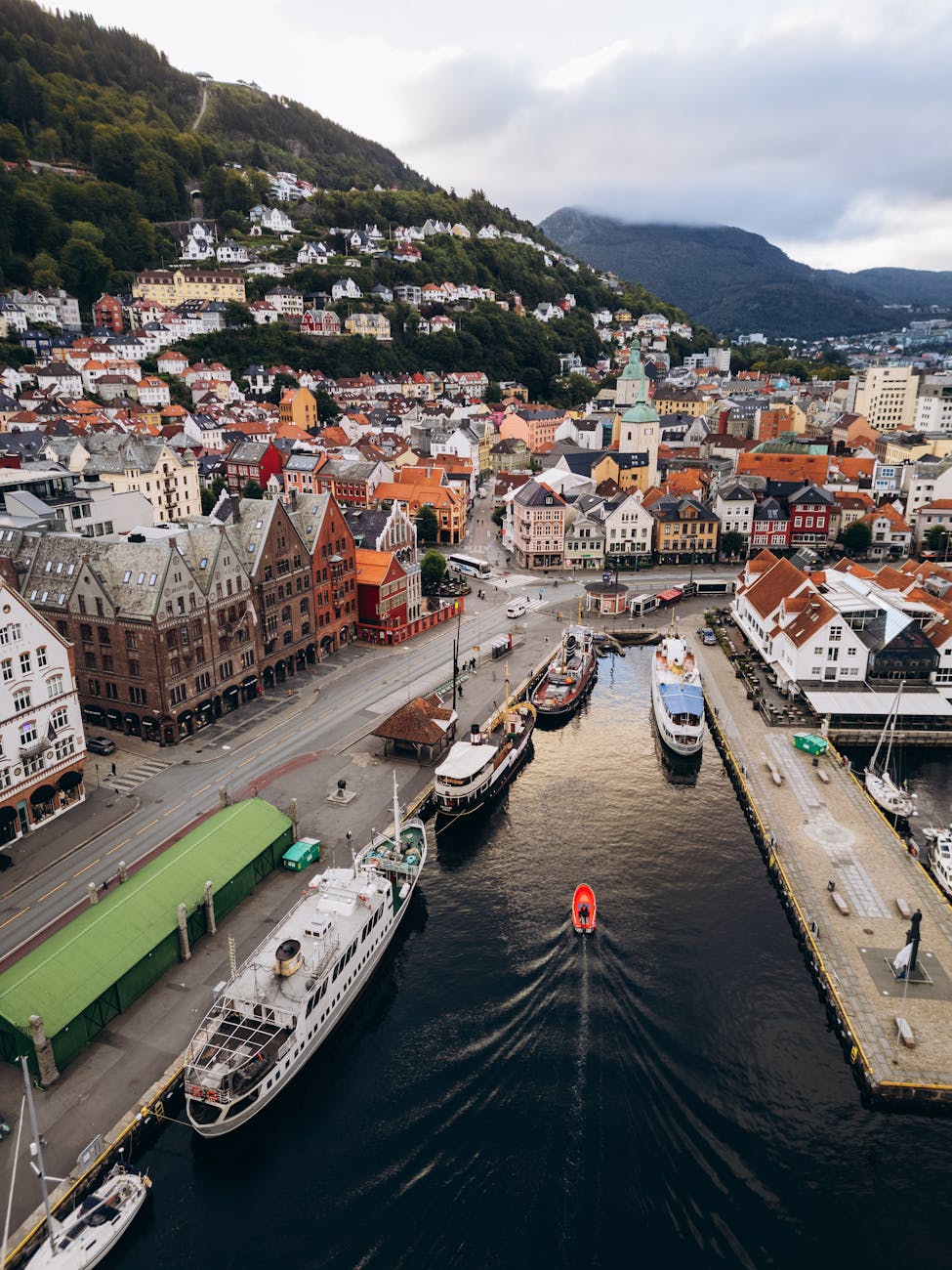
Bergen can be a strong cruise or port-call stop because the harbor, Bryggen, viewpoints, boats, museums, and compact city center can fit into a short window. The risk is assuming that a short call is self-managing. Pier location, ship timing, rain, crowds, walking surfaces, excursion returns, and reboarding rules all decide how much of Bergen is realistic.
Confirm the pier and call length
A Bergen port call should start with the exact pier, gangway time, all-aboard time, and how long the traveler really has ashore. A call that looks generous on paper can shrink quickly once disembarkation, queues, weather, and return security are included.
The usable day is smaller than the scheduled day.
- Confirm pier location, disembarkation process, all-aboard time, tender rules if any, and ship contact details.
- Calculate the shore window after queues, walking time, lunch, weather delays, and reboarding margin.
- Avoid plans that depend on being first off the ship unless that access is confirmed.
Build the day around reboarding
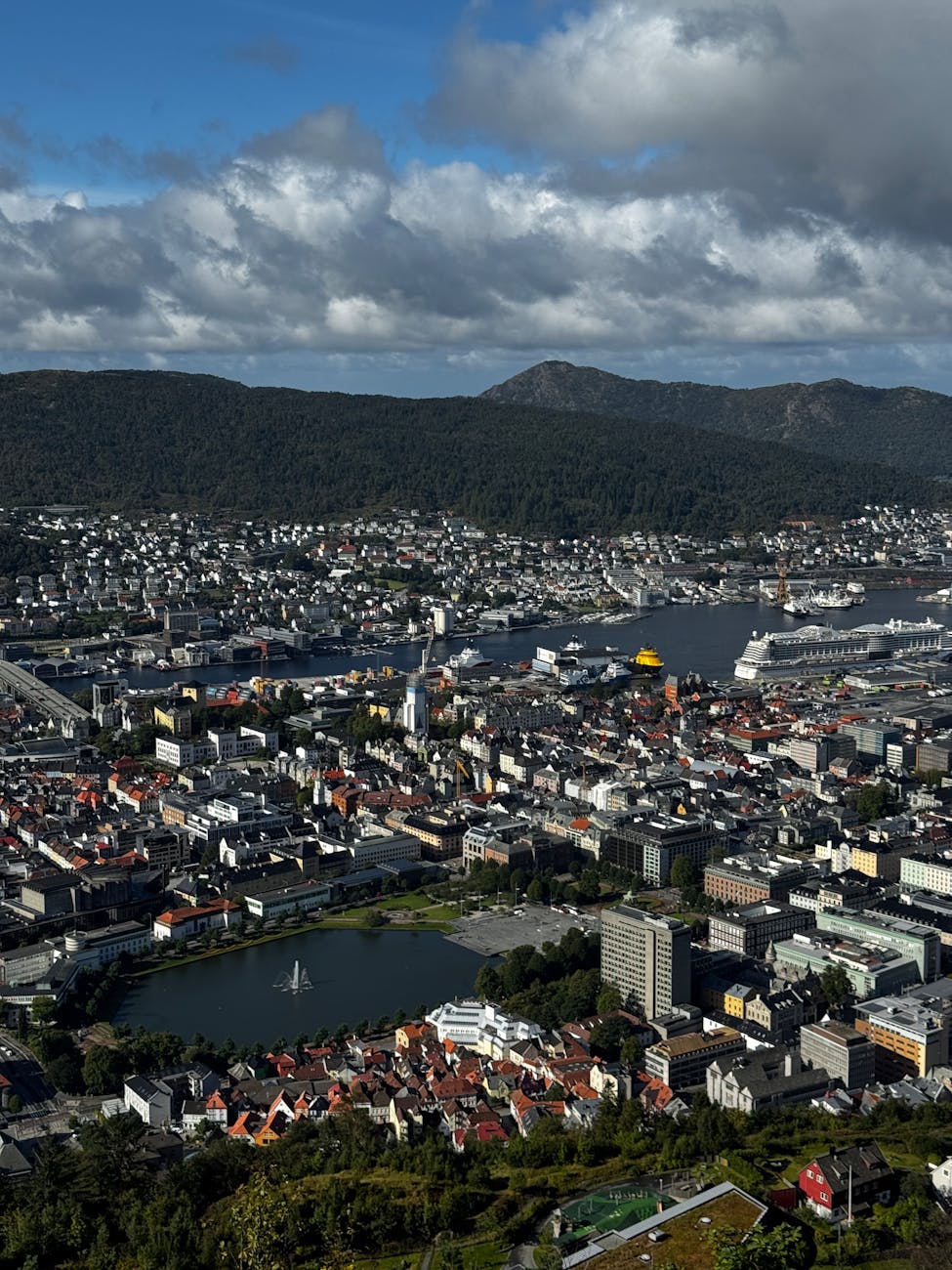
The most important Bergen deadline is not a museum ticket or lunch reservation. It is the ship's departure. Cruise and port-call travelers should place every stop, taxi, excursion, and scenic detour inside a plan that gets them back early.
Reboarding should control the itinerary.
- Set a personal return deadline that is earlier than the official all-aboard time.
- Know the walking route or transport option back to the pier before leaving the ship.
- Do not place a weather-sensitive viewpoint or long taxi return late in the call.
Choose one Bergen anchor
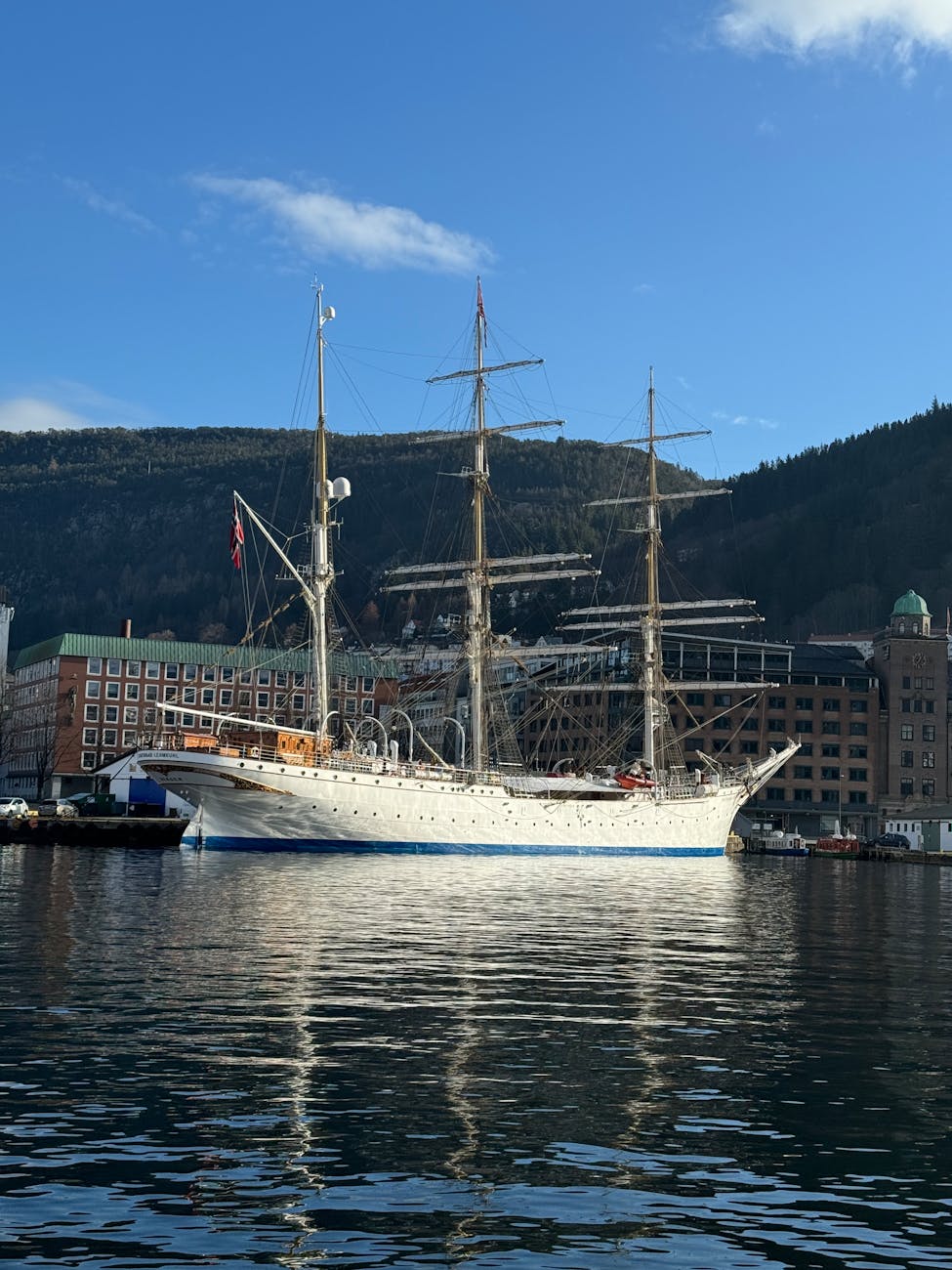
A short port call improves when it has one main Bergen anchor: Bryggen, the harbor, a viewpoint, a museum, a food stop, a guided walk, or a fjord-linked outing. Trying to sample every recognizable name can make the day feel rushed and shallow.
One strong anchor beats a scattered checklist.
- Choose the one Bergen experience that should define the call.
- Add nearby secondary stops only if they do not threaten the return window.
- Keep the route compact if the ship is one of several vessels in port.
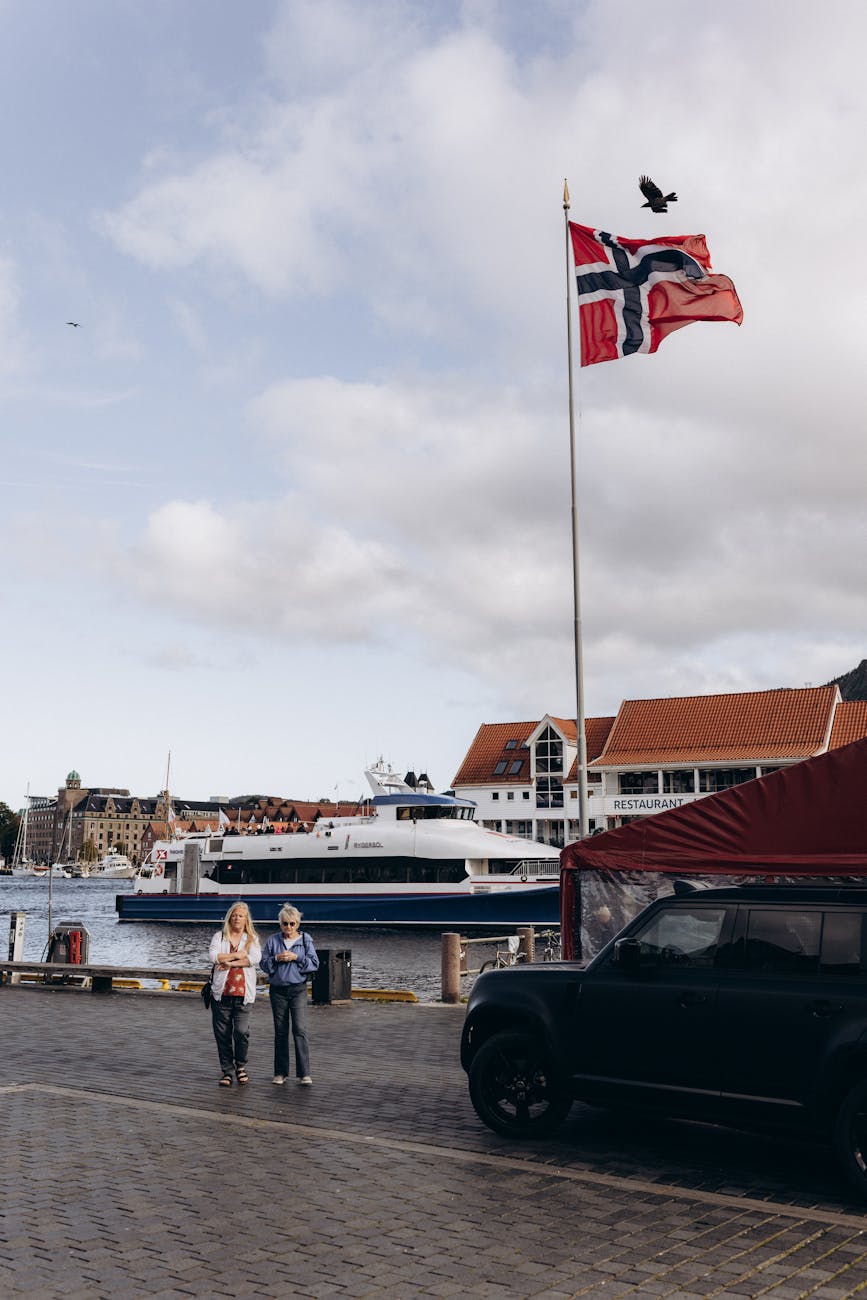
Treat rain and walking surfaces seriously
Bergen rain can affect more than comfort. Wet cobblestones, slick hills, crowded sidewalks, umbrella traffic, and fogged viewpoints all change what is sensible during a short call. Footwear and routing matter even when the port feels close to the center.
Weather should shape the day before the gangway opens.
- Pack a rain layer, shoes with grip, medication, phone protection, and a dry place for documents.
- Keep a sheltered route or indoor fallback ready if visibility or footing weakens the main plan.
- Avoid long uphill walks if weather, crowds, or mobility needs make the return uncertain.
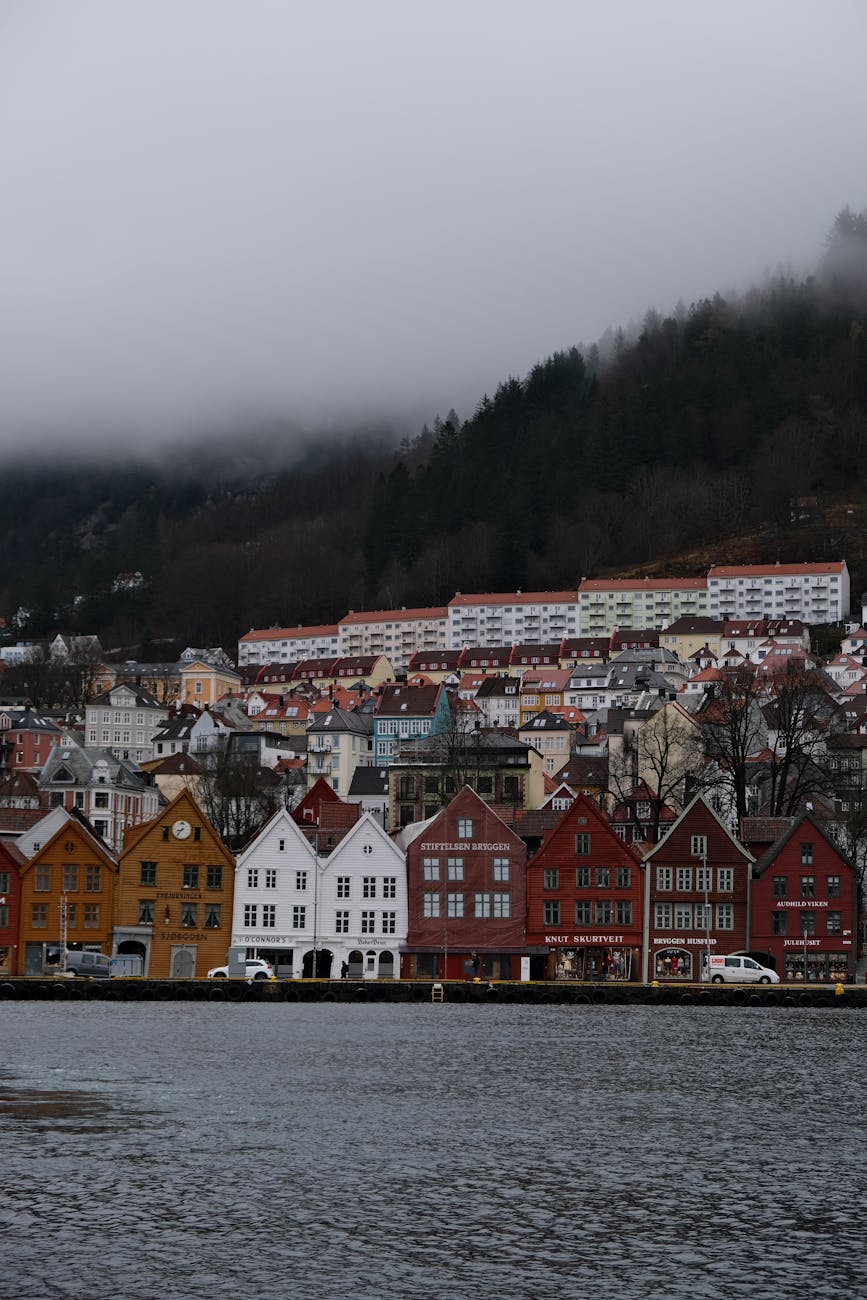
Use excursions and independent time carefully
Ship excursions can reduce return risk, but they may also consume the entire call. Independent plans can feel more personal, but they require stronger timing discipline. The best choice depends on distance, weather, mobility, language comfort, and how important the exact Bergen experience is.
Convenience and control should be compared honestly.
- Check excursion duration, meeting point, refund rules, mobility demands, restroom access, and return buffer.
- Use independent time for compact harbor, Bryggen, food, and museum plans that are easy to shorten.
- Do not combine a long excursion with an ambitious city route unless the call is unusually long.
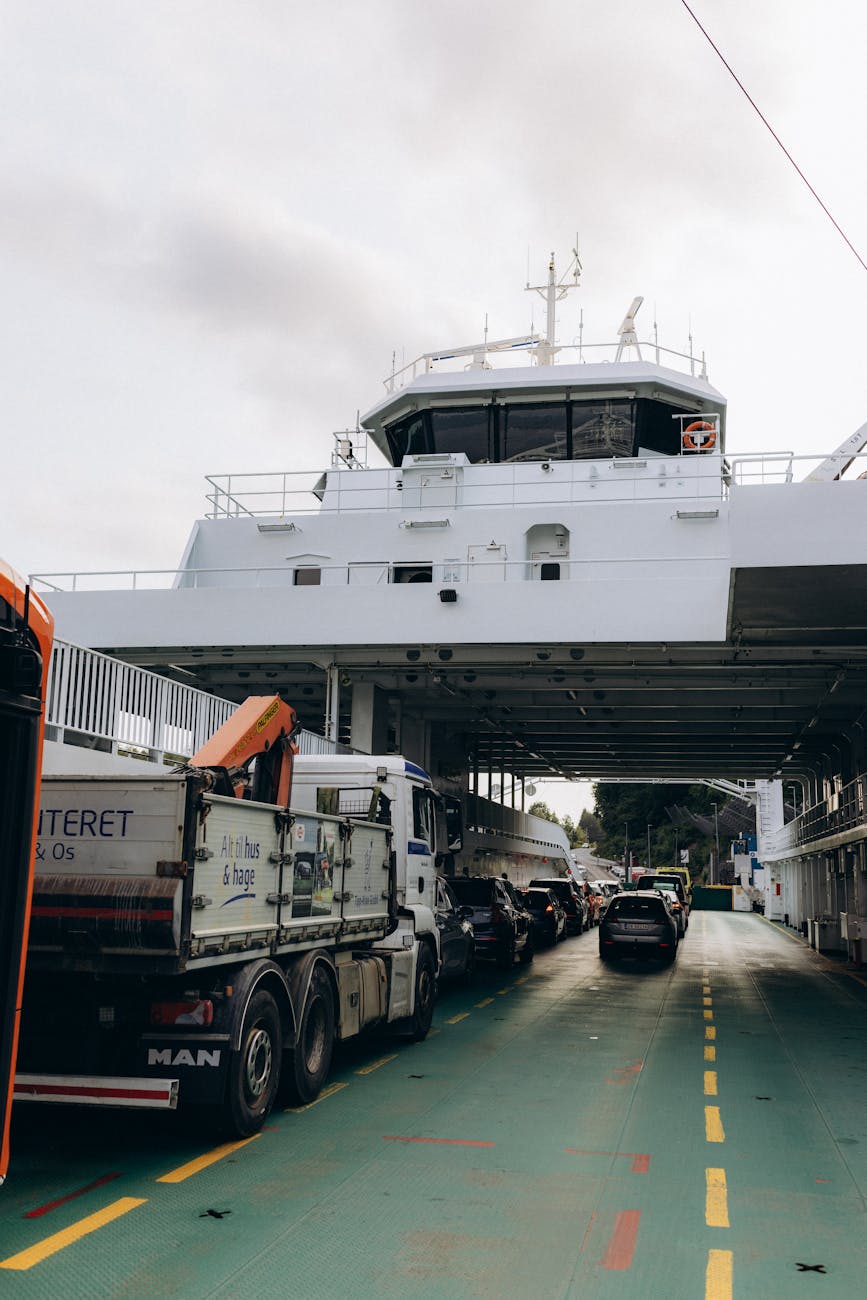
Keep meals, money, and mobility practical
A port-call traveler should not spend the best Bergen window searching for a meal, cash, restrooms, or a place to sit. Local prices, payment methods, dietary needs, walking pace, and accessible routes should be checked before the day starts.
Small practical choices protect the call.
- Choose one realistic meal or snack plan near the route instead of relying on chance.
- Carry a payment card, ship ID, phone power, medication, and any mobility aids needed ashore.
- Build rest stops into the route if the traveler has limited stamina or uncertain weather tolerance.
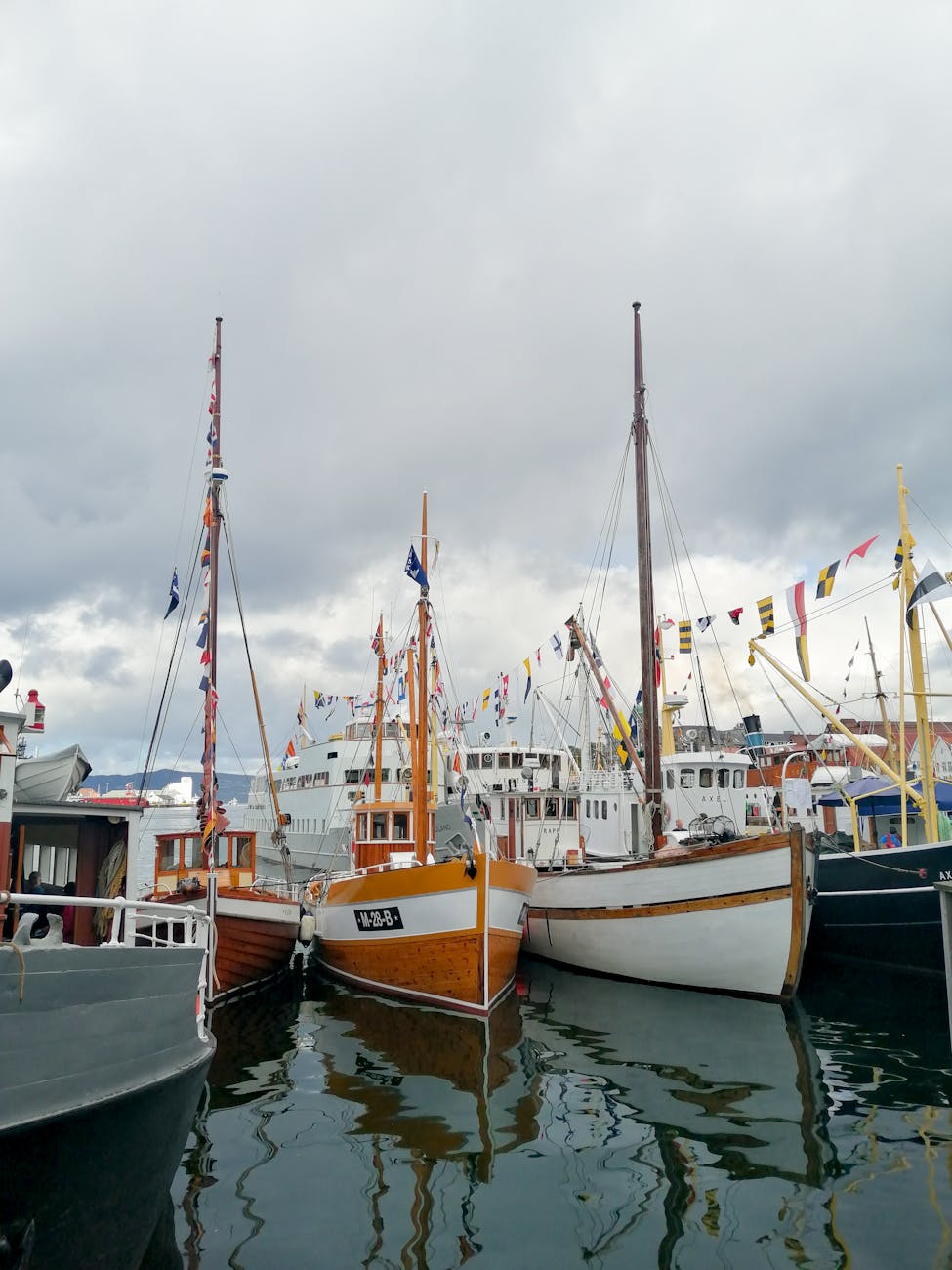
When to order a short-term travel report
A cruise traveler with a long call, central pier, and simple harbor walk may not need a custom report. A report becomes useful when the ship call is short, the pier is uncertain, weather could affect the route, mobility matters, crowds are likely, an excursion competes with independent time, or the traveler wants a Bergen day that does not become a rushed port sample.
The report should test pier location, disembarkation timing, return buffers, walking routes, weather fallbacks, excursion choices, meal options, mobility needs, payment norms, and what to drop first. The value is a Bergen port call that feels specific, realistic, and safely inside the ship schedule.
- Order when pier location, call length, weather, mobility, excursions, crowds, meals, or reboarding timing need exact planning.
- Provide ship name, date, pier if known, all-aboard time, mobility needs, meal needs, and preferred Bergen focus.
- Use the report to keep the Bergen port day calm, specific, and safely timed.