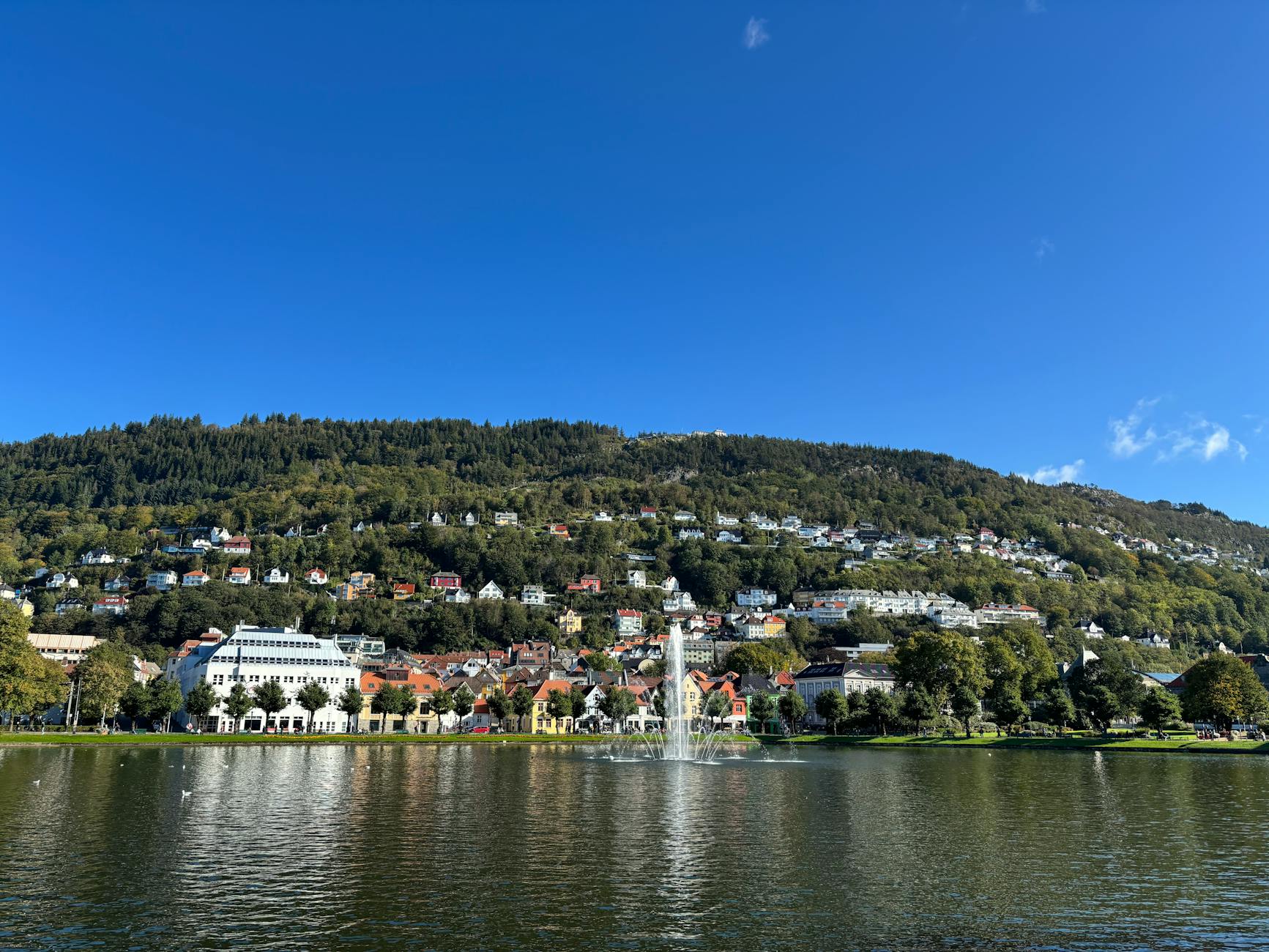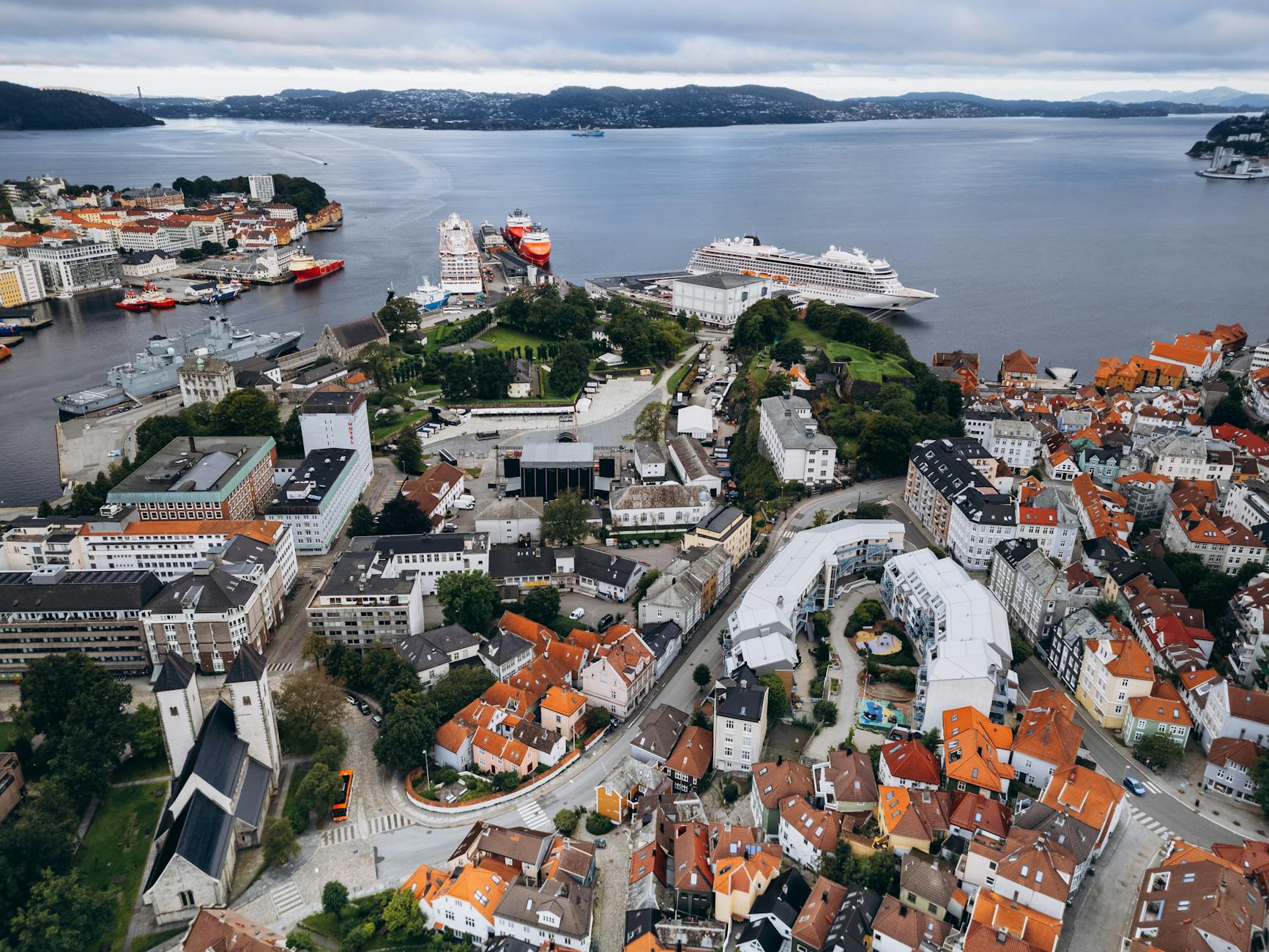
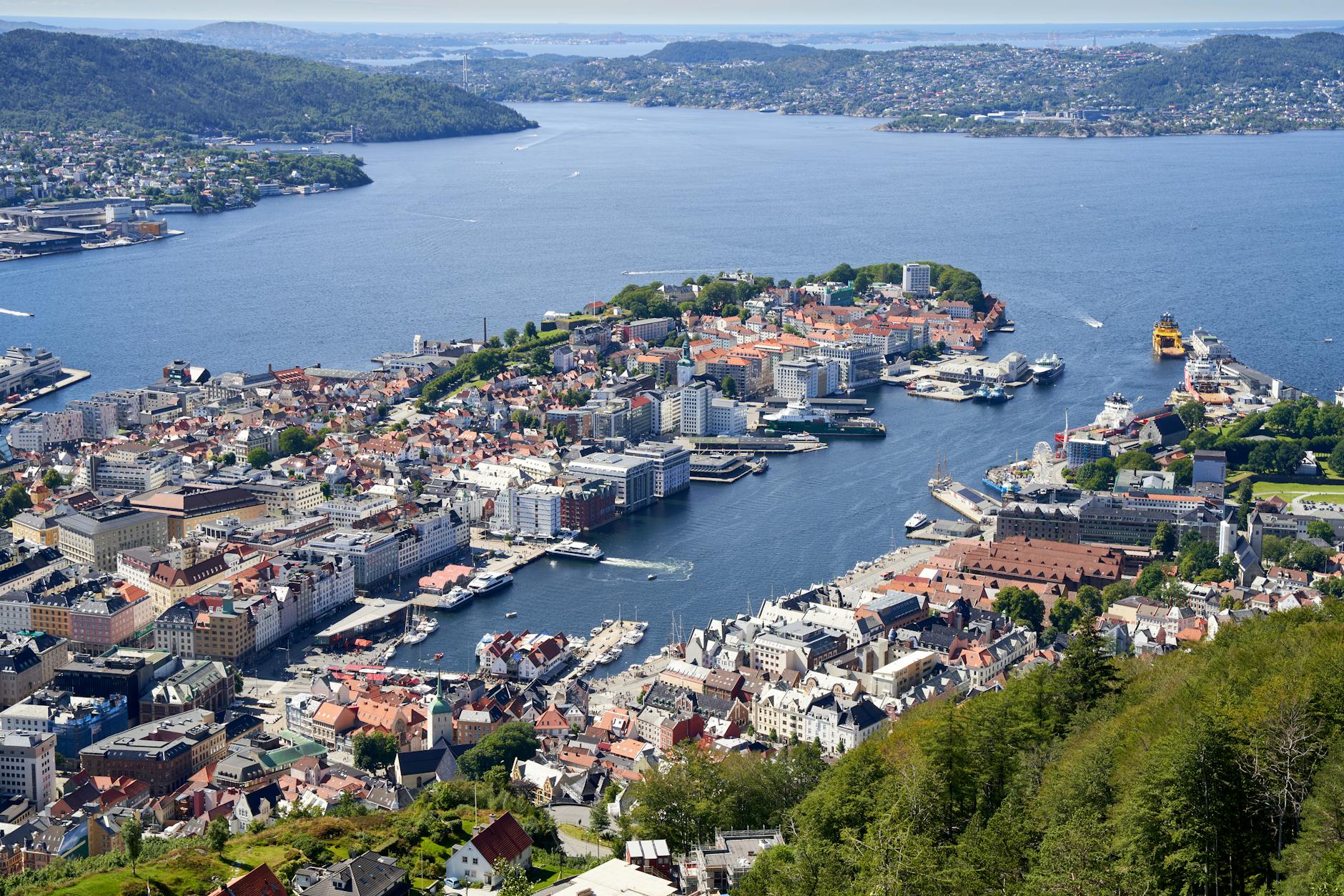
A Bergen consulting trip should be organized around performance at the client site, not around generic city touring. The work may be concentrated in one office or spread across meetings, dinners, hotel calls, and travel gaps, while Bergen's rain, slopes, airport transfer, and compact harbor geography can all affect how composed the trip feels.
Start with the client-site map
A consultant should first map the client site, hotel, airport transfer, dinner locations, backup workspaces, and any side meetings. Bergen looks compact, but rain, slopes, harbor routing, and taxi availability can make a short cross-city movement more consequential before a client meeting.
The client map should drive the itinerary.
- Confirm exact client entrances, meeting times, visitor procedures, and any equipment or identification requirements.
- Compare hotel options by real door-to-door timing to client sites in wet weather.
- Check whether dinners, workshops, and internal calls are near the same base or require separate movement plans.
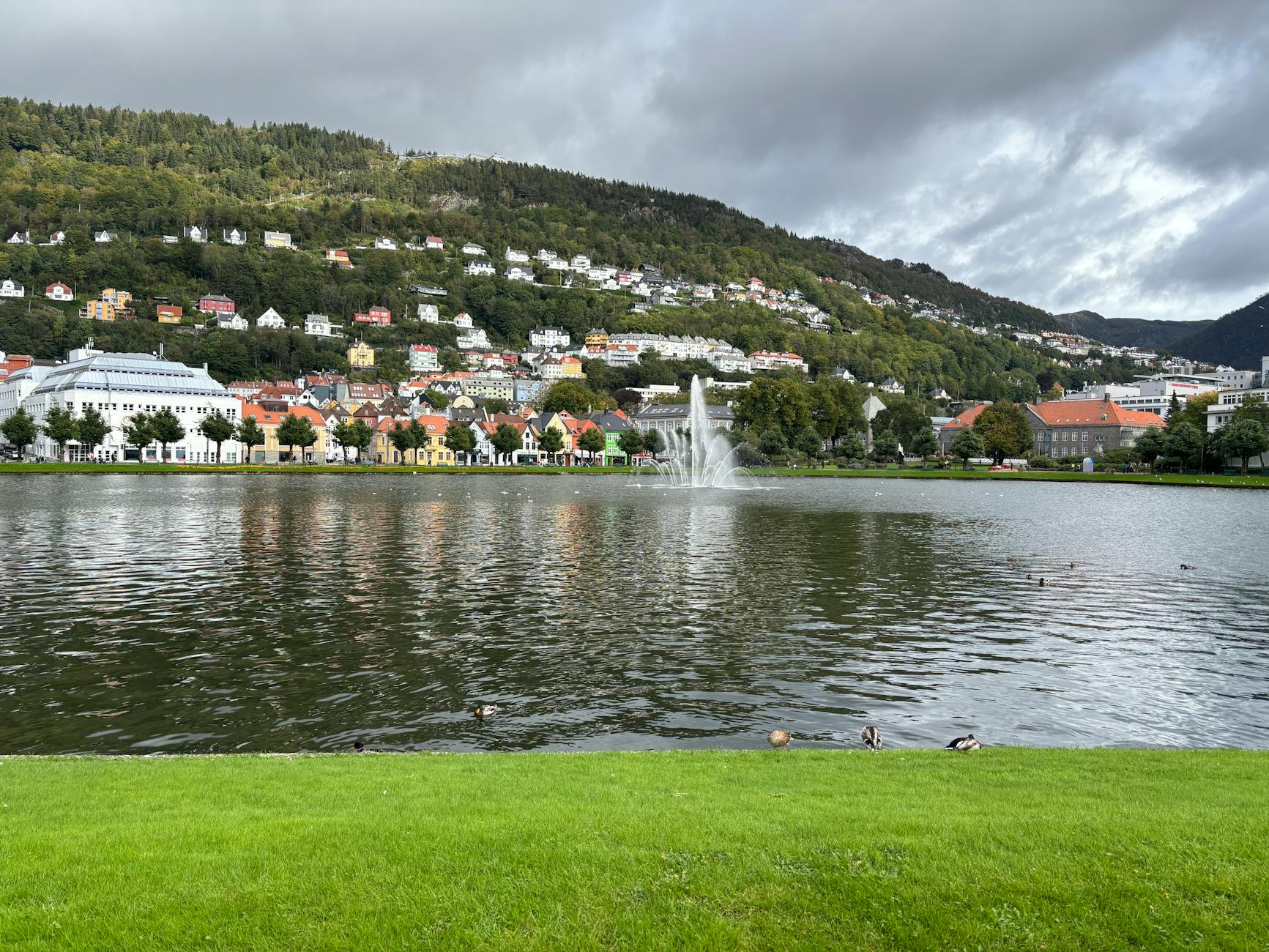
Choose a base for work, not just sleep
The right Bergen hotel should make work easier. A consultant may need quiet calls, a real desk, reliable Wi-Fi, breakfast before a workshop, ironing, receipt handling, late arrival support, and a route that keeps client clothing presentable.
The room is part of the work setup.
- Check desk quality, Wi-Fi, quiet-room requests, breakfast hours, laundry or ironing, and invoice handling.
- Choose a base that supports both client access and private work between meetings.
- Avoid a beautiful but awkward location if it turns every call or client transfer into friction.
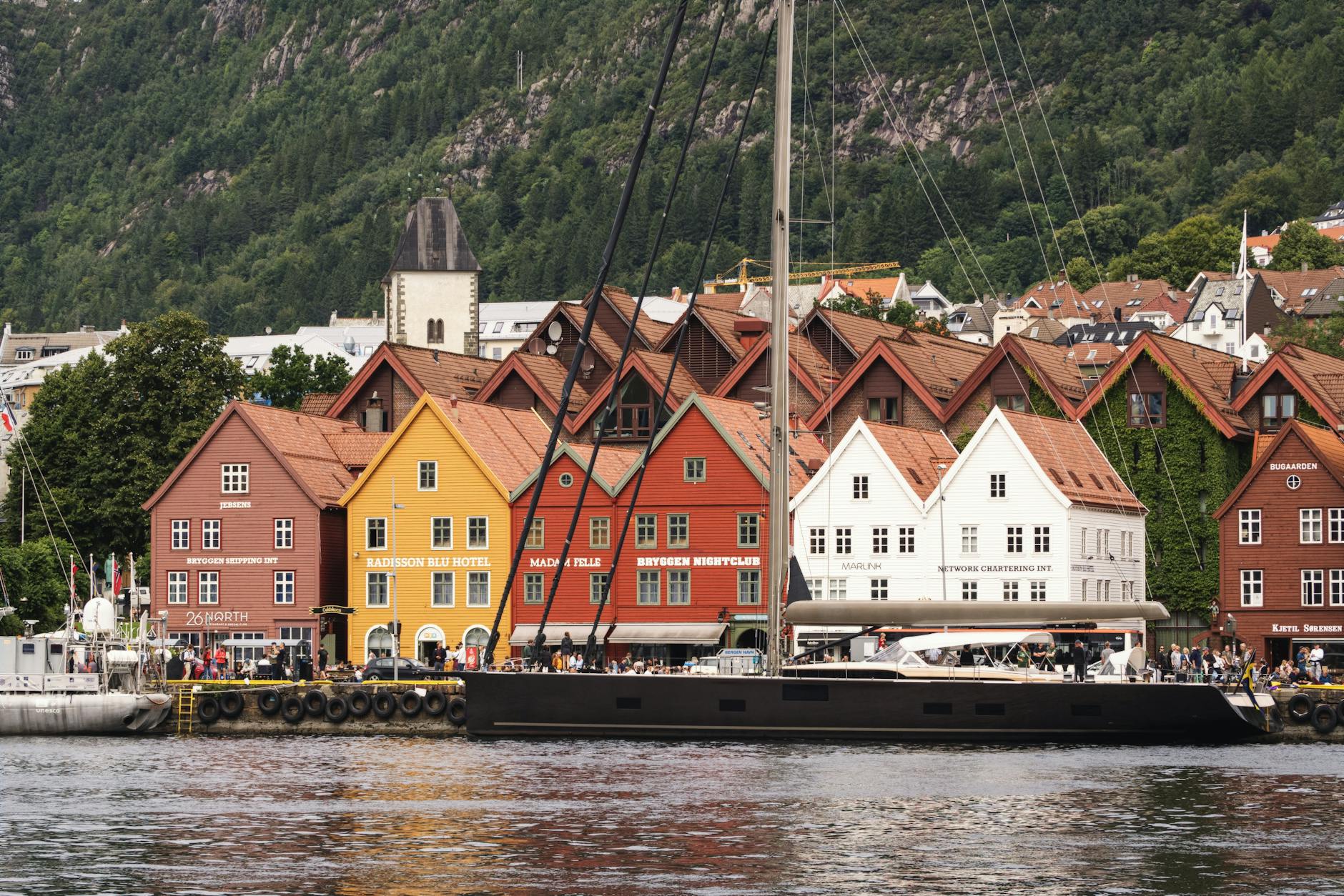
Build arrival and first-meeting margin
A consultant should not schedule the first client-facing hour against the edge of arrival. Flight timing, luggage, airport transfer, hotel check-in, rain, and a quick reset can determine whether the first meeting feels controlled or patched together.
The first meeting needs buffer.
- Protect enough time for airport transfer, check-in, garment reset, materials review, and finding the client entrance.
- Carry core documents, chargers, adapters, medication, and presentation files in reliable luggage.
- Avoid a same-day arrival when the first meeting is high value or difficult to reschedule.
Protect clothing, devices, and documents from rain
Bergen rain is not a side detail for a consultant carrying client materials or arriving in meeting clothing. Wet shoes, damp documents, exposed laptops, and delayed taxis can all affect presentation quality.
Professional readiness should include weather protection.
- Pack rain protection for laptop, notes, client documents, shoes, and meeting clothes.
- Allow time to dry off, change layers, or reset before important meetings.
- Use direct transport when a wet walk would undermine the meeting more than it saves money.

Keep work gaps and quiet calls visible
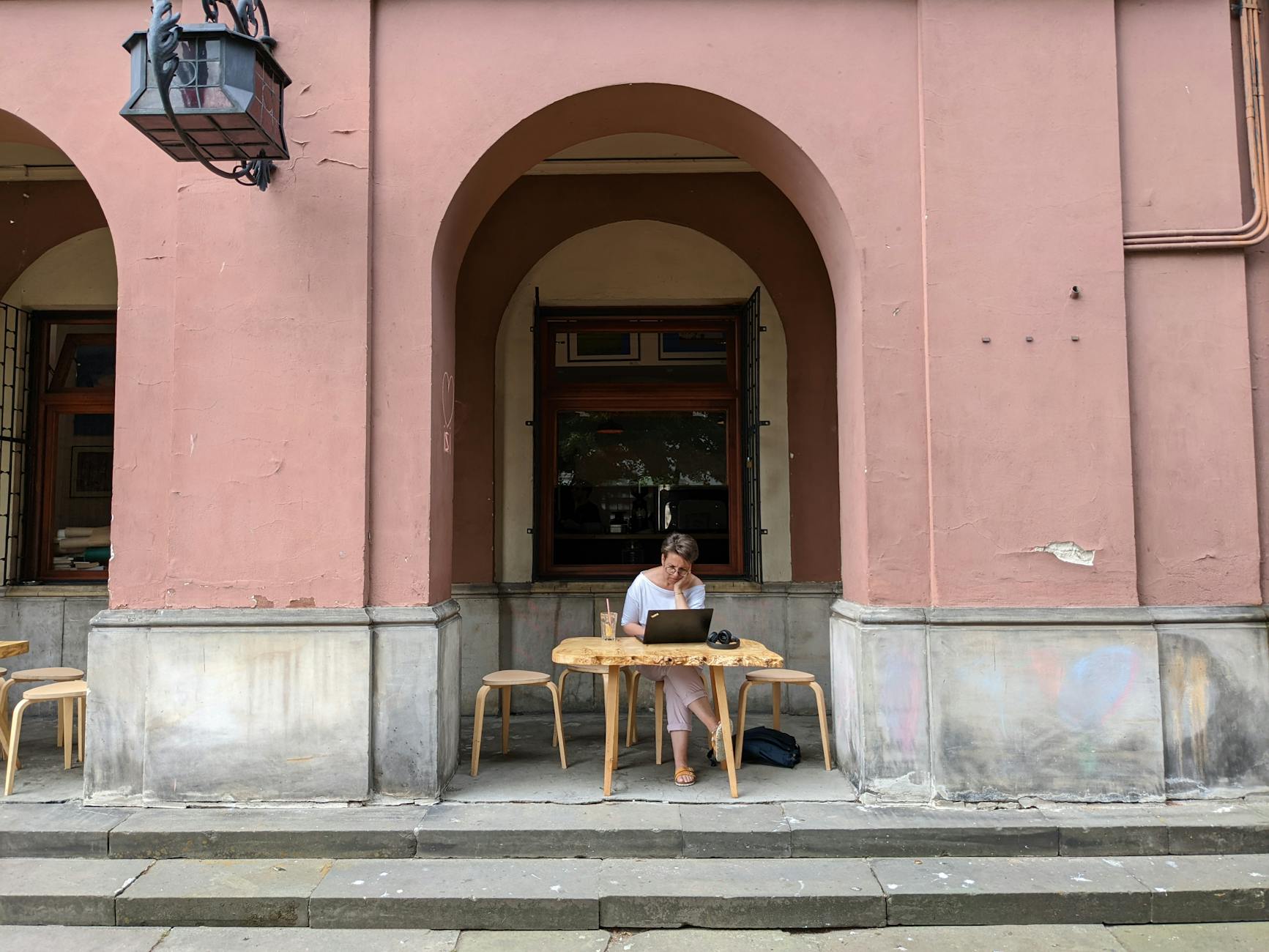
A consulting trip often includes internal calls, document review, private follow-up, and short deadlines between client blocks. These work gaps should be placed deliberately so the traveler is not forced into noisy cafes, hotel lobbies, or exposed public spaces with confidential material.
Quiet work time needs a location.
- Block private work windows before and after client meetings.
- Identify hotel, coworking, lobby, or cafe options that match the confidentiality level of the work.
- Keep enough battery, connectivity, headphones, and document access for unexpected schedule changes.
Use meals and evenings professionally
Client dinners and informal meals can be valuable, but they should support the engagement rather than exhaust the traveler. Bergen evenings work best when restaurant choice, price level, dietary needs, return route, and next-morning timing are checked before the invitation becomes fixed.
Meals should serve the work.
- Choose restaurants by noise, access, dietary fit, receipt needs, and distance from hotel or client site.
- Keep alcohol, late hours, and return routes aligned with the next day's agenda.
- Use one compact city moment near the route if it helps the trip feel grounded without weakening the work.
When to order a short-term travel report
A consultant with one client site, a confirmed hotel, and a flexible schedule may not need a custom report. A report becomes useful when the client sites are spread out, the first meeting follows arrival closely, hotel work conditions matter, rain could affect presentation, quiet calls are required, meals involve clients, or departure follows the final workshop.
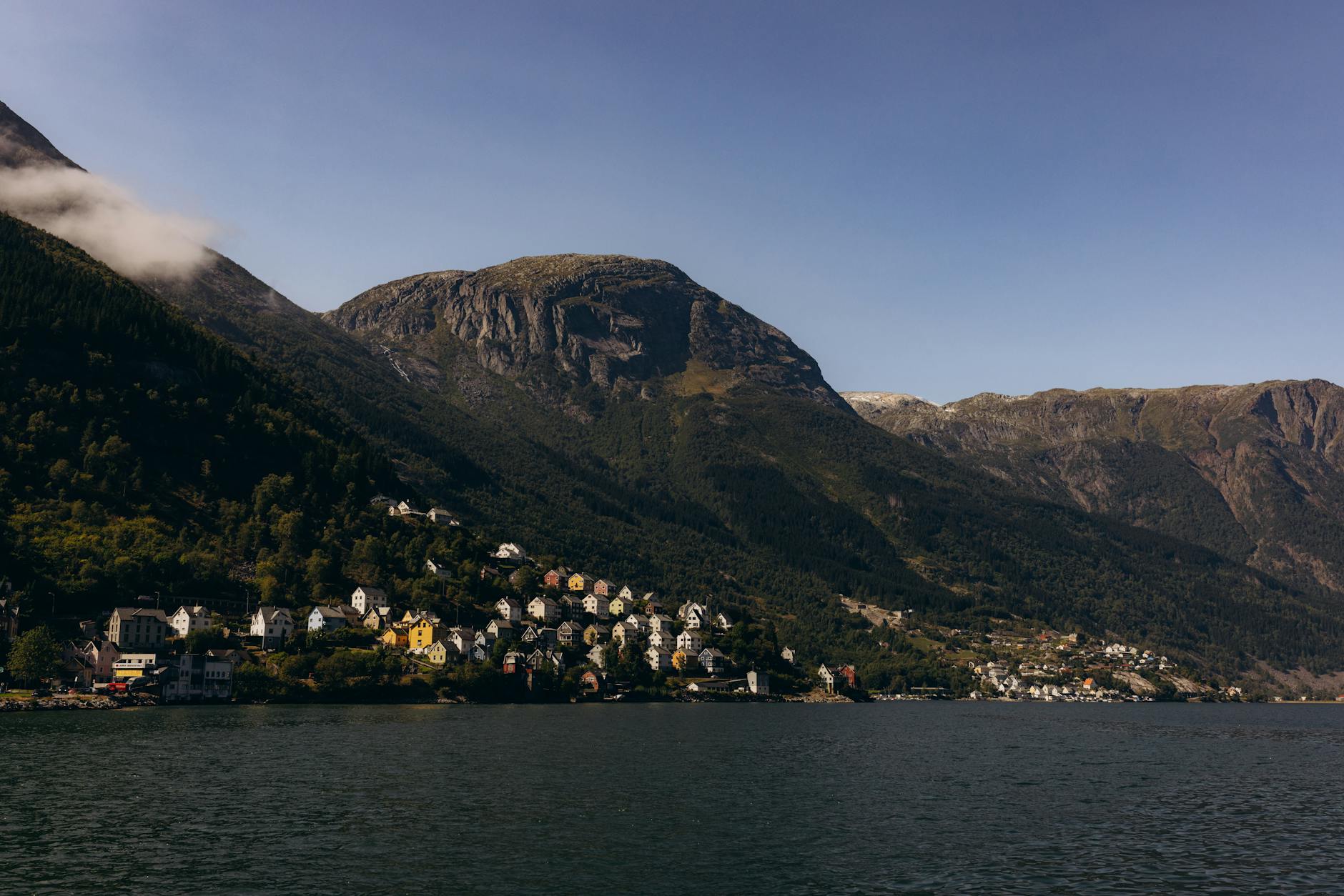
The report should test client-site geography, airport transfer, hotel work setup, arrival margin, rain-safe movement, quiet call locations, meal plans, confidentiality needs, and departure buffers. The value is a Bergen consulting trip that protects the work while still respecting the city around it.
- Order when client geography, hotel choice, arrival timing, rain, quiet calls, meals, confidentiality, or departure timing need exact planning.
- Provide dates, client addresses, hotel candidates, meeting schedule, work needs, confidentiality limits, food constraints, and arrival details.
- Use the report to keep the Bergen consulting trip focused, punctual, and composed.