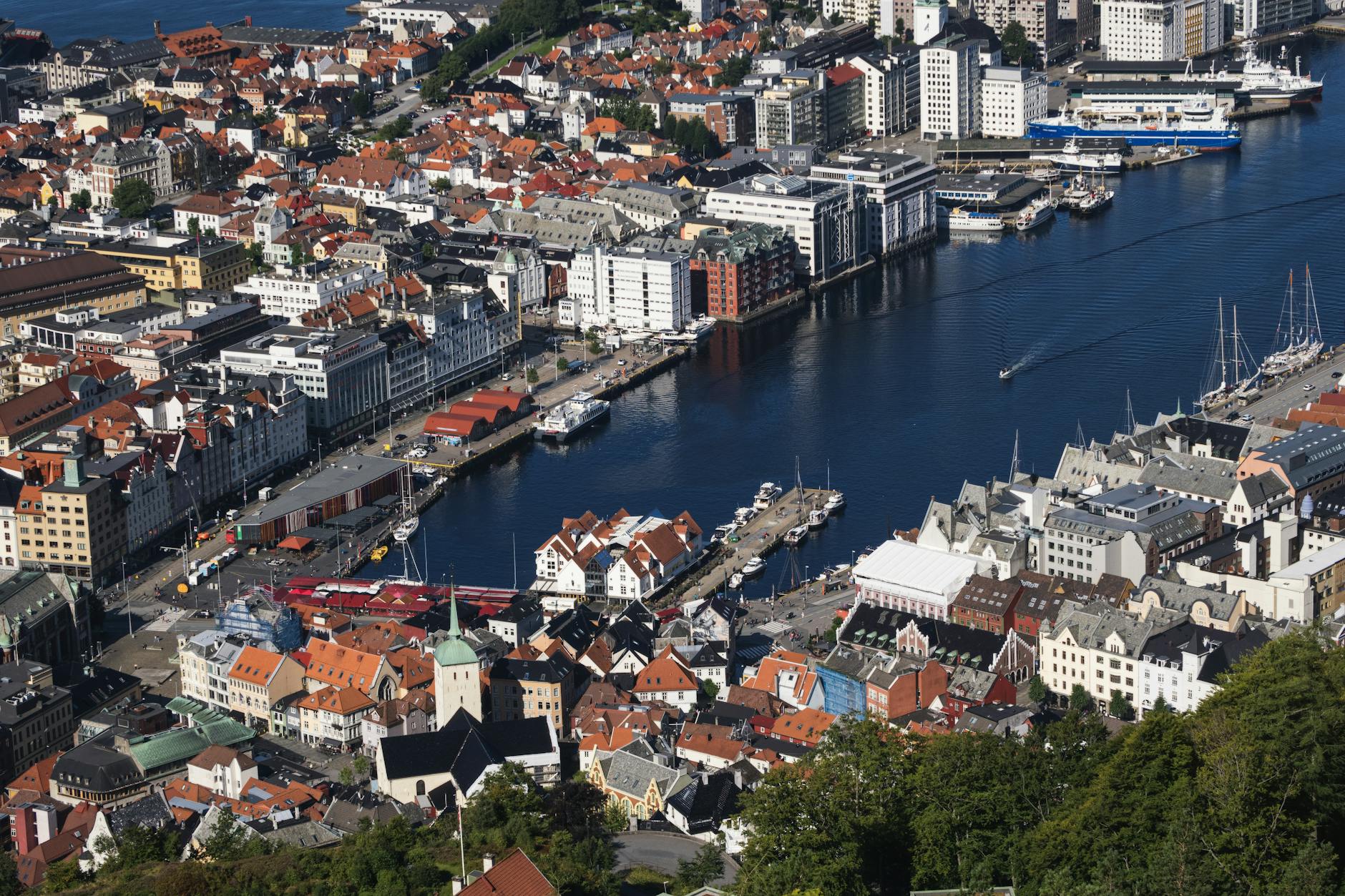
Bergen can work well for a conference attendee when the trip is built around the venue and the weather. The city is compact enough for a short professional stay, but rain, slopes, hotel choice, registration timing, networking meals, equipment, and airport transfer can all affect whether the event feels smooth or rushed.
Confirm venue geography before booking
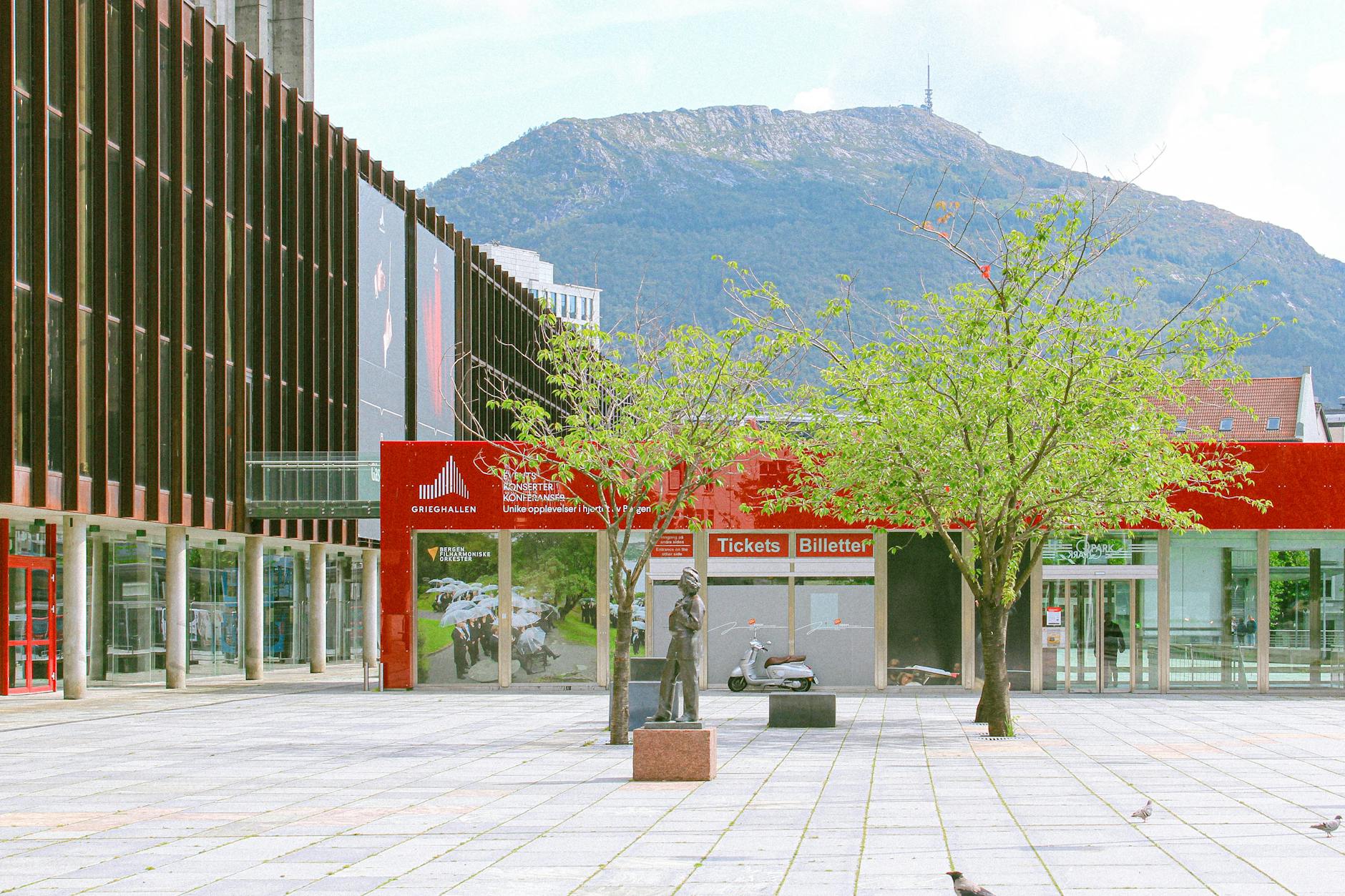
The venue should decide the Bergen trip shape. A conference may be near Grieghallen, the university, the harbor, a hotel, or another site that looks central but behaves differently in rain and on slopes.
Venue geography should come first.
- Confirm the exact venue entrance, registration area, session rooms, evening events, and sponsor or meeting sites.
- Compare hotels by real door-to-door timing to the venue in wet weather.
- Check whether the event is concentrated in one place or split across several Bergen locations.
Protect arrival and registration timing
A conference attendee should not rely on a tight arrival before badge pickup, an opening keynote, or a client-side meeting. Airport transfer, luggage, wet weather, hotel queues, and room finding can all take longer than expected.
The first event needs margin.
- Check airport transfer, taxi, light rail, hotel, and venue timing before choosing flights.
- Carry badge documents, chargers, adapters, presentation files, medicine, and conference clothing in reliable luggage.
- Leave time to register, find the room, and reset after rain before the first session.
Choose lodging for conference rhythm
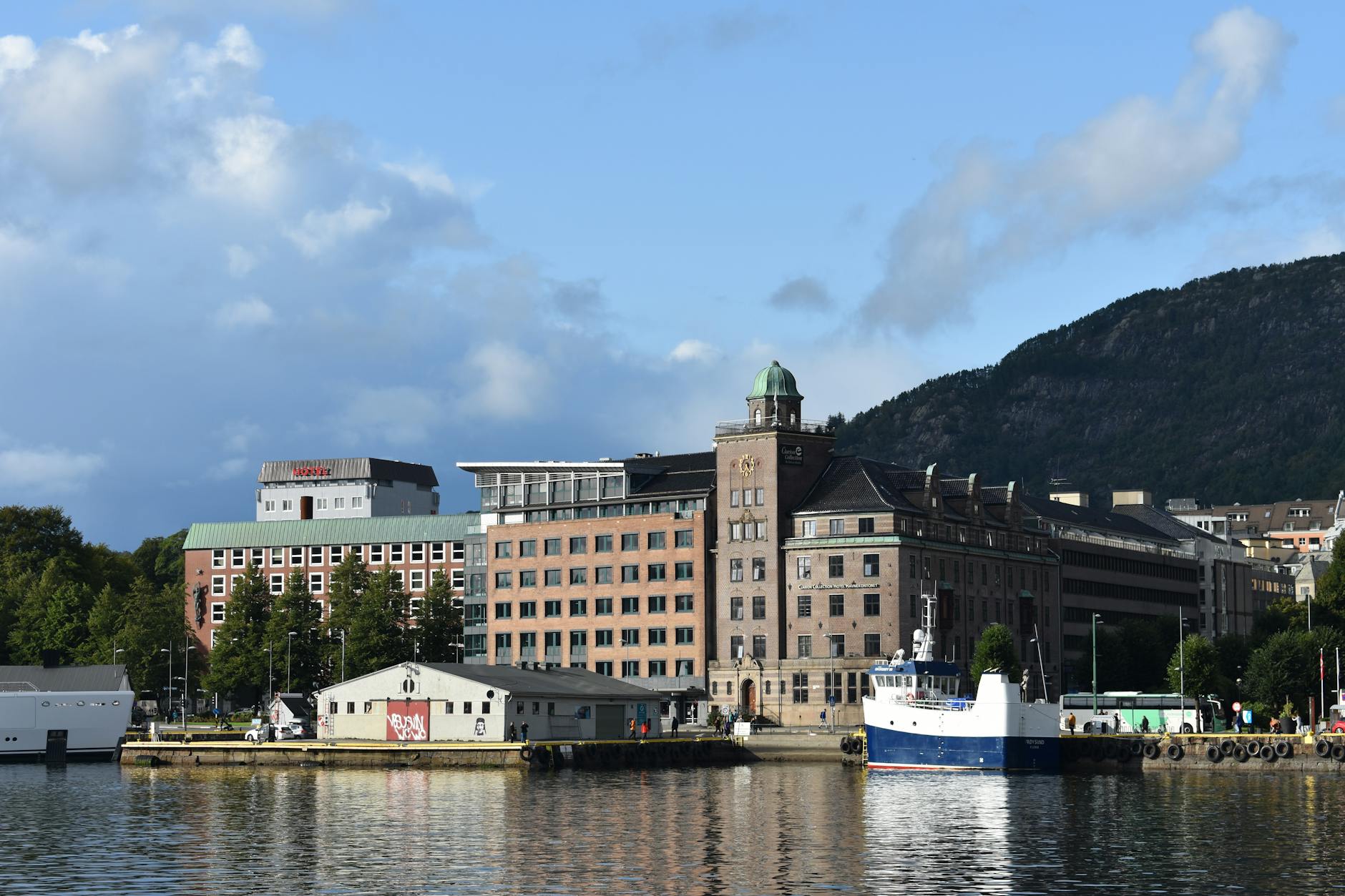
A conference hotel should support sleep, breakfast, quiet work, garment care, receipts, luggage storage, and a reliable route to sessions. The wrong hotel can make every break feel like a commute.
The hotel should protect event performance.
- Check breakfast hours, desk space, Wi-Fi, quiet rooms, ironing, luggage storage, and receipt handling.
- Prefer a base that allows a midday reset if the agenda has gaps.
- Avoid a hotel that turns rain, hills, or evening events into avoidable friction.
Plan rain-safe movement between sessions
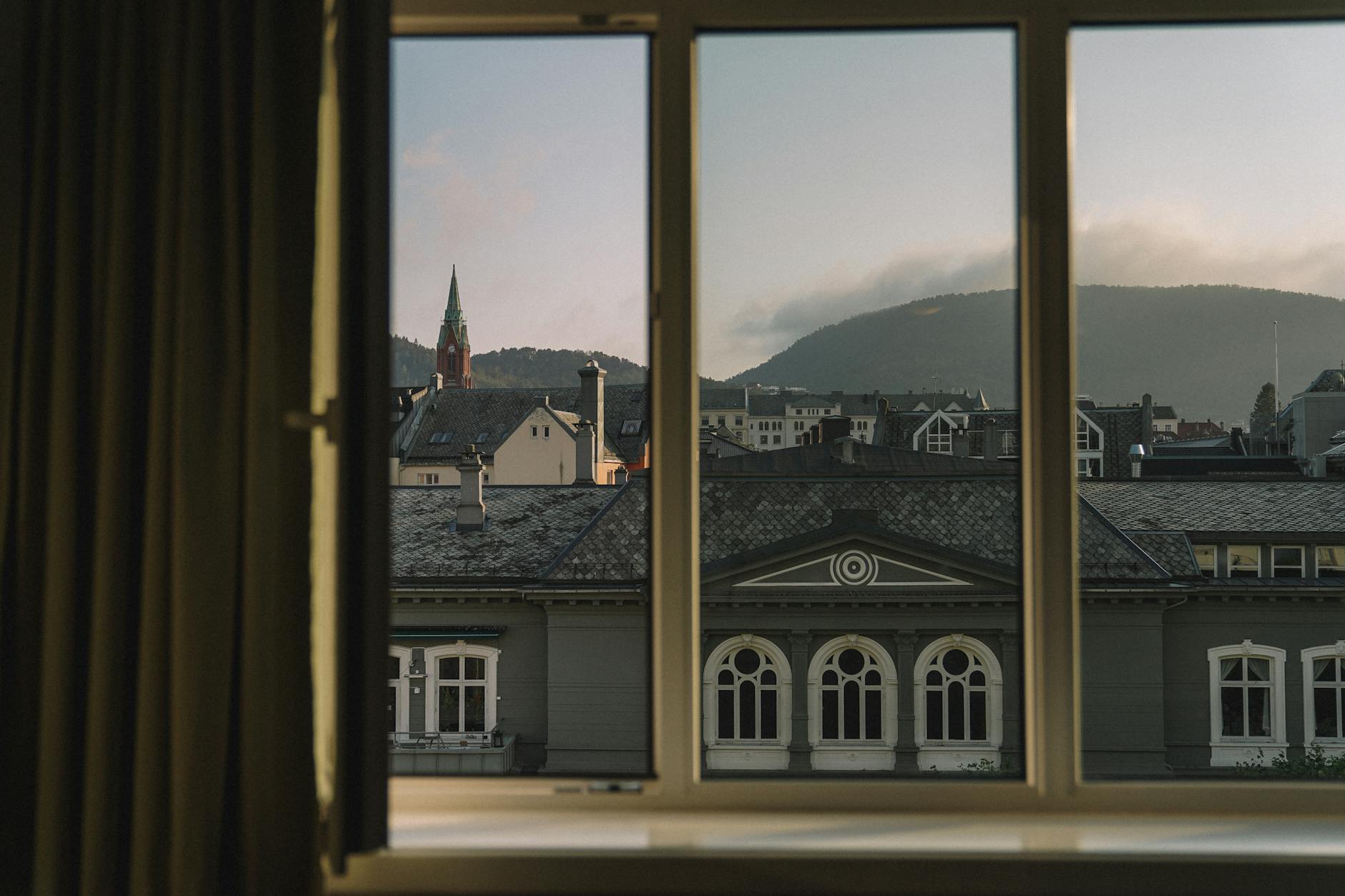
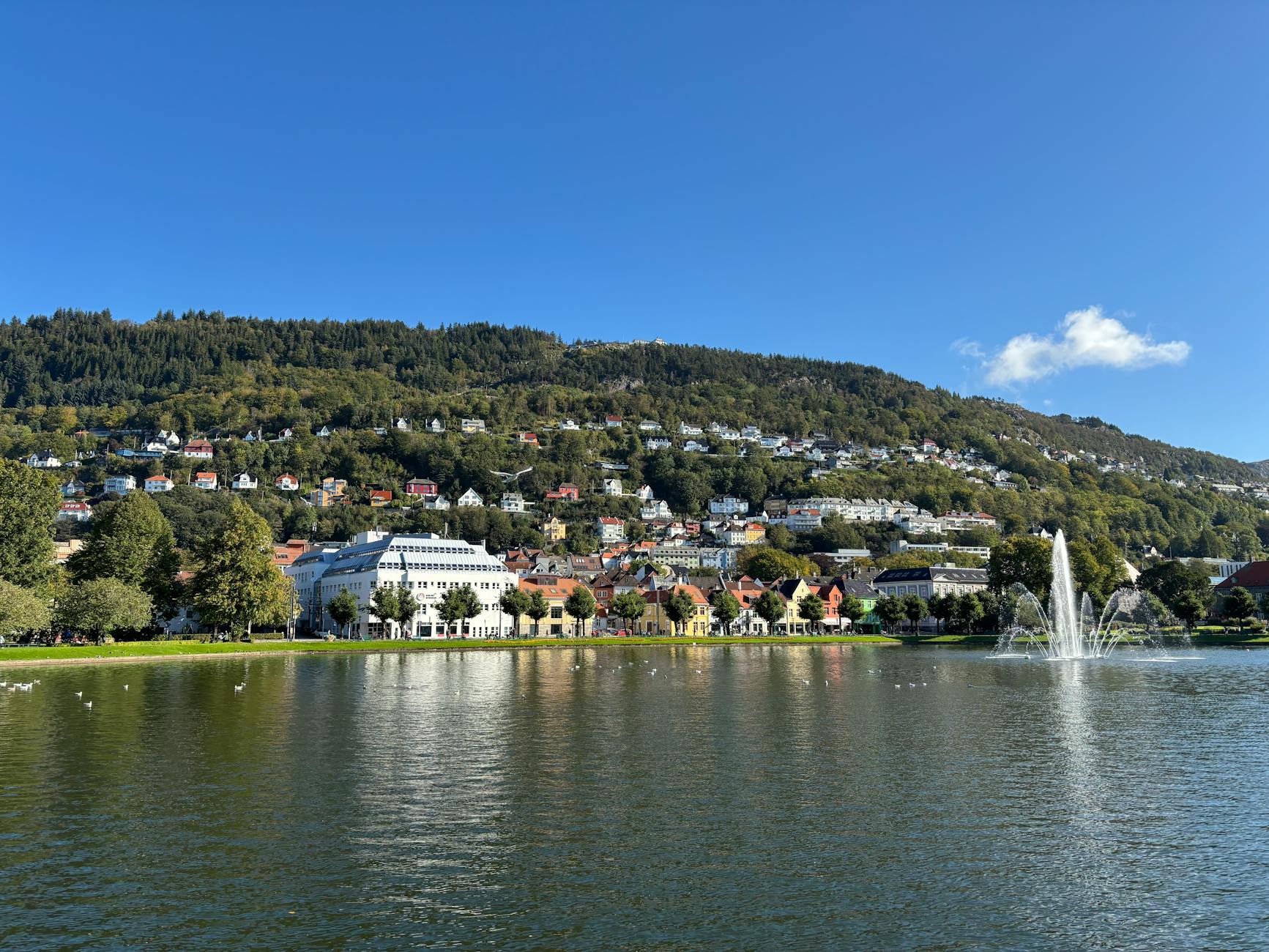
Bergen rain can affect how attendees arrive, dress, carry materials, and move between sessions or side meetings. A conference schedule should include wet-weather walking time and a way to keep clothing, laptops, and documents presentable.
Rain is part of the professional plan.
- Pack a compact rain layer, shoes with grip, laptop protection, and a spare shirt or layer when useful.
- Allow extra time for wet streets, umbrellas, coat checks, and venue entrances.
- Use taxi or short routes when a rain-soaked walk would weaken the next meeting.
Make networking and meals realistic
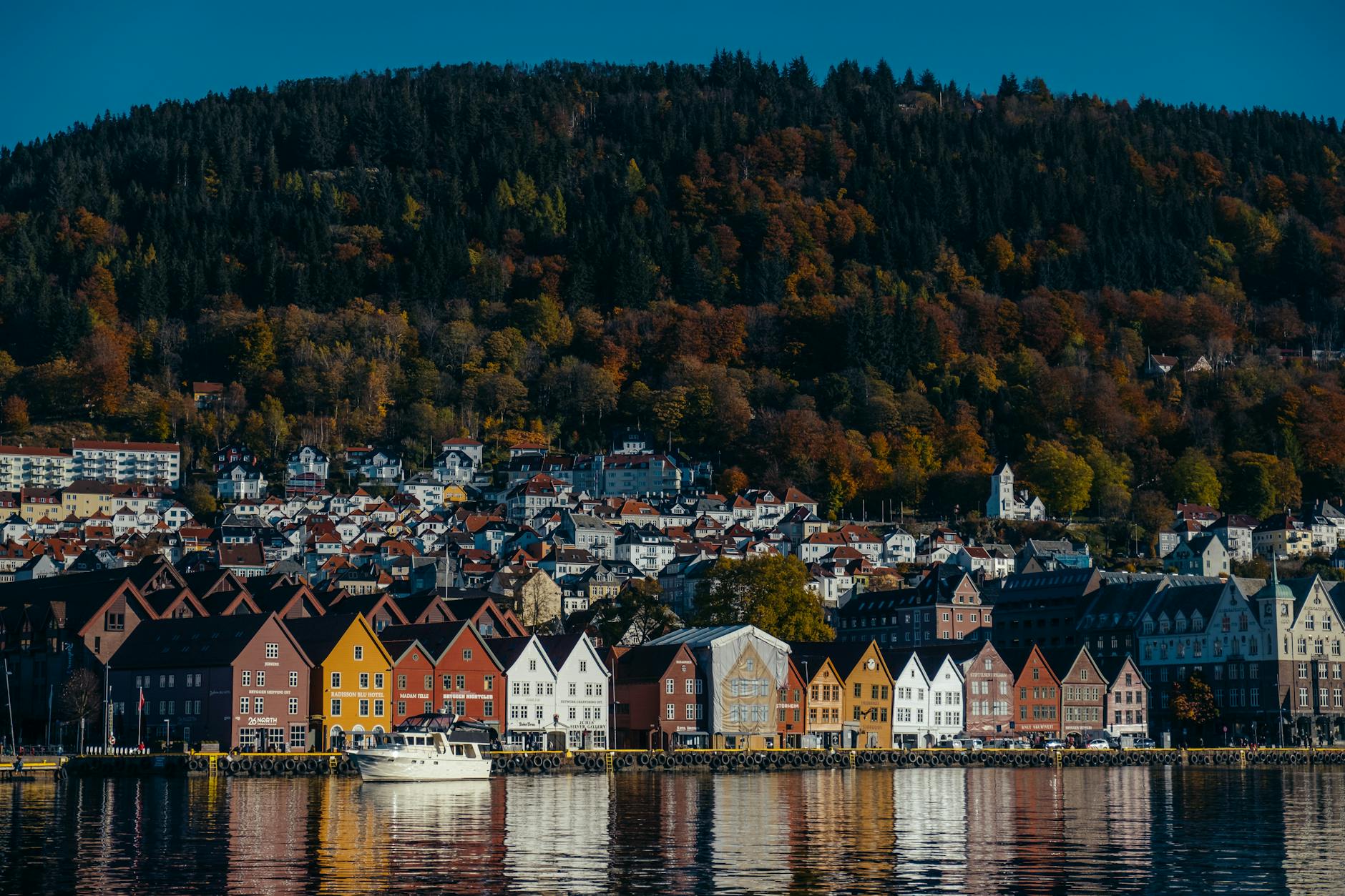
Networking in Bergen can mean hotel receptions, seafood dinners, informal coffees, sponsor events, or one-on-one meetings. Those plans work better when cost, timing, noise, dietary needs, and return routes are checked before the attendee accepts every invitation.
Networking should support the event, not consume it.
- Choose the meals and receptions that match the trip purpose rather than following every group.
- Check reservations, dietary needs, local prices, alcohol norms, and receipt rules.
- Keep late meals close before early panels, flights, or important meetings.
Leave a small Bergen window
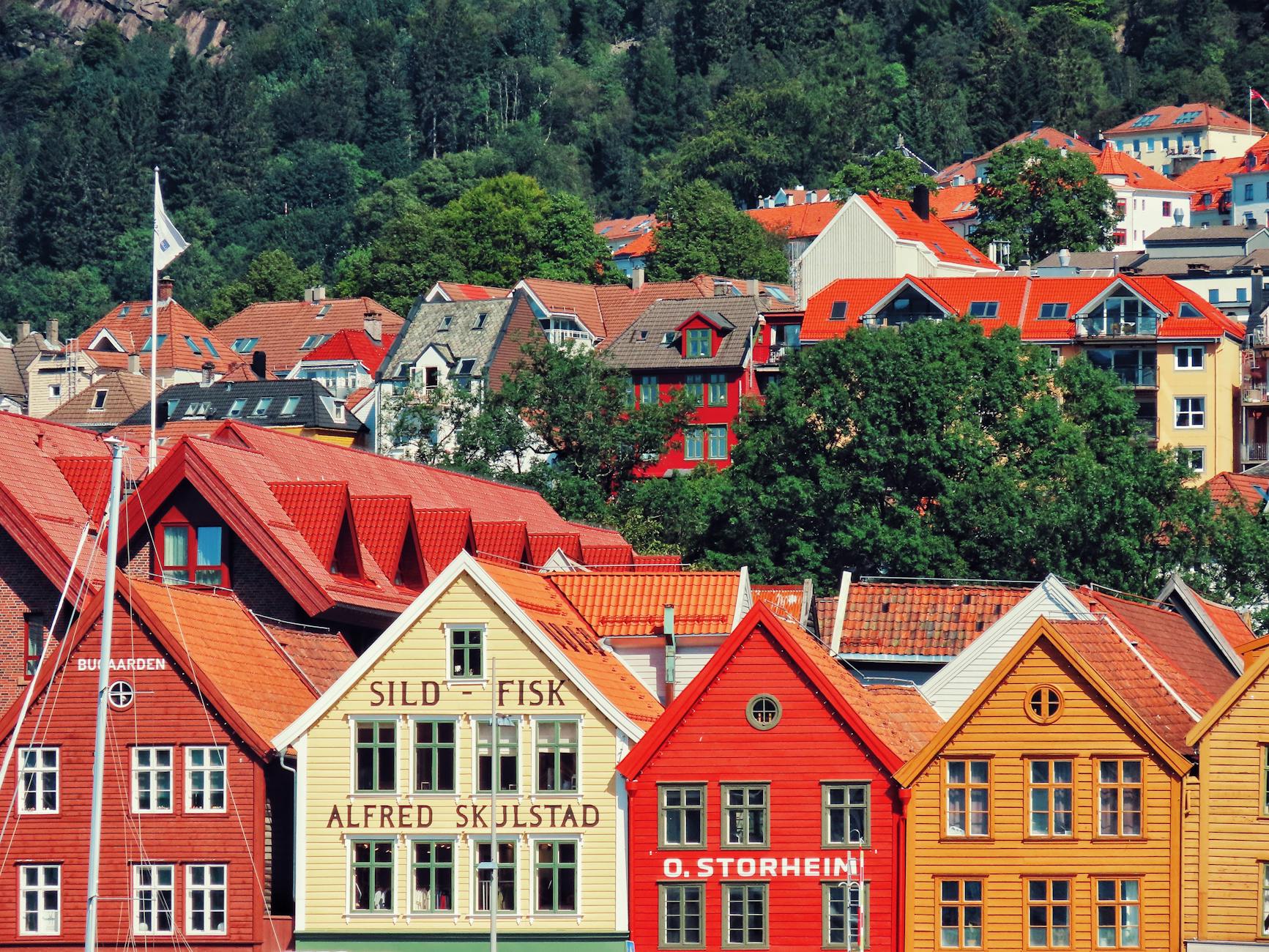
A conference attendee can still enjoy Bergen without weakening the event. One harbor walk, a Bryggen pass, a viewpoint window, or a quiet dinner can give the trip a sense of place if it is planned around sessions and recovery.
City time should be selective.
- Choose one compact city experience near the venue, hotel, or dinner route.
- Move a viewpoint or harbor walk into a good weather window when possible.
- Avoid late sightseeing before a keynote, client meeting, early flight, or long rail day.
When to order a short-term travel report
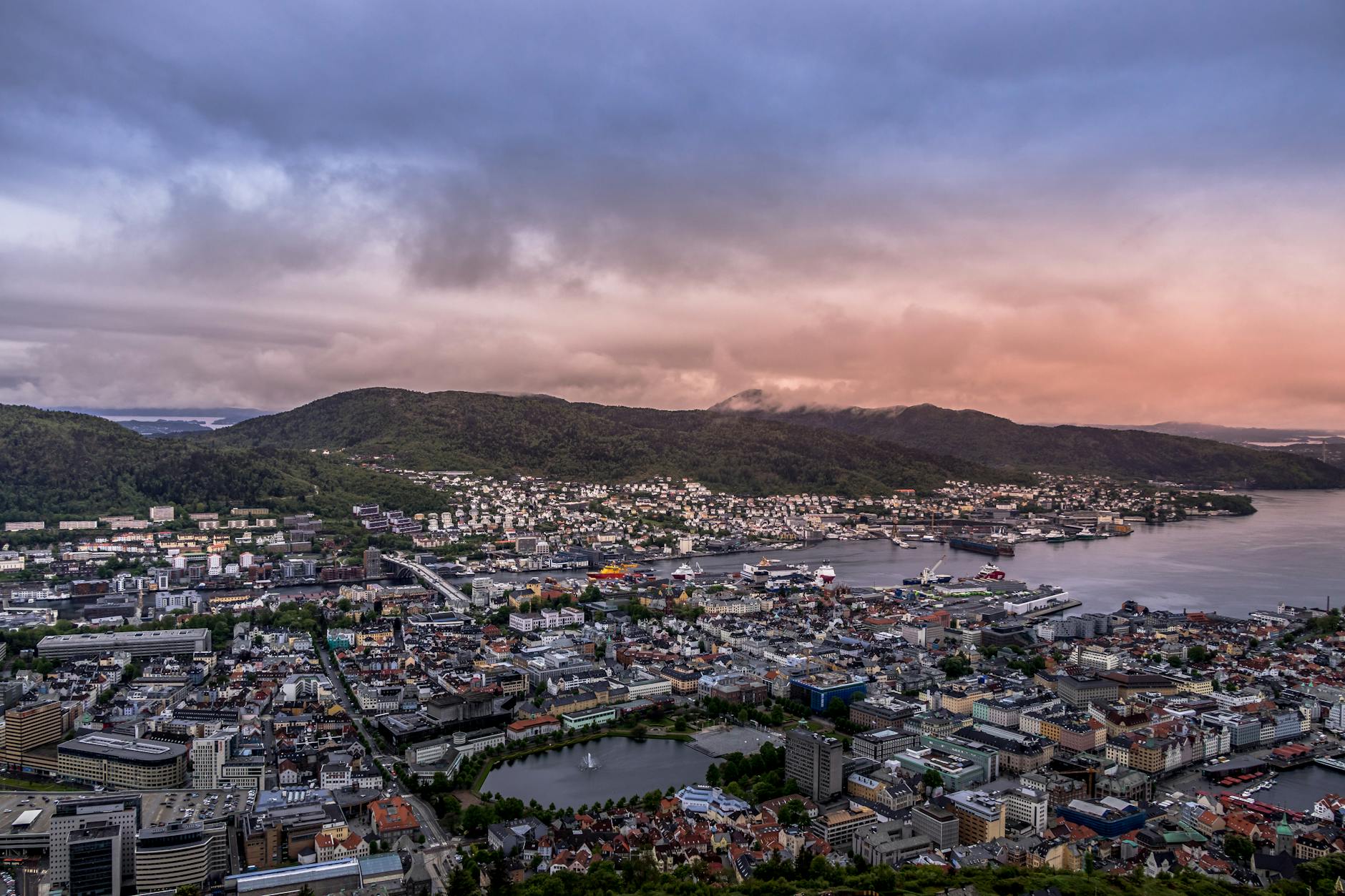
A conference attendee with a venue hotel and a loose schedule may not need a custom report. A report becomes useful when the agenda is tight, hotel choice is expensive, arrival is close to registration, rain-sensitive movement matters, side meetings are spread out, equipment is important, or departure follows the final session closely.
The report should test venue geography, airport transfer, hotel rhythm, rain-safe movement, equipment needs, networking meals, city time, work gaps, and departure buffers. The value is a Bergen conference trip that stays professional while still making room for the city.
- Order when venue geography, arrival timing, hotels, rain, equipment, networking, city time, or departure timing need exact planning.
- Provide dates, venue address, agenda, hotel candidates, equipment needs, meeting addresses, budget, and arrival details.
- Use the report to keep the Bergen conference trip punctual, composed, and locally grounded.