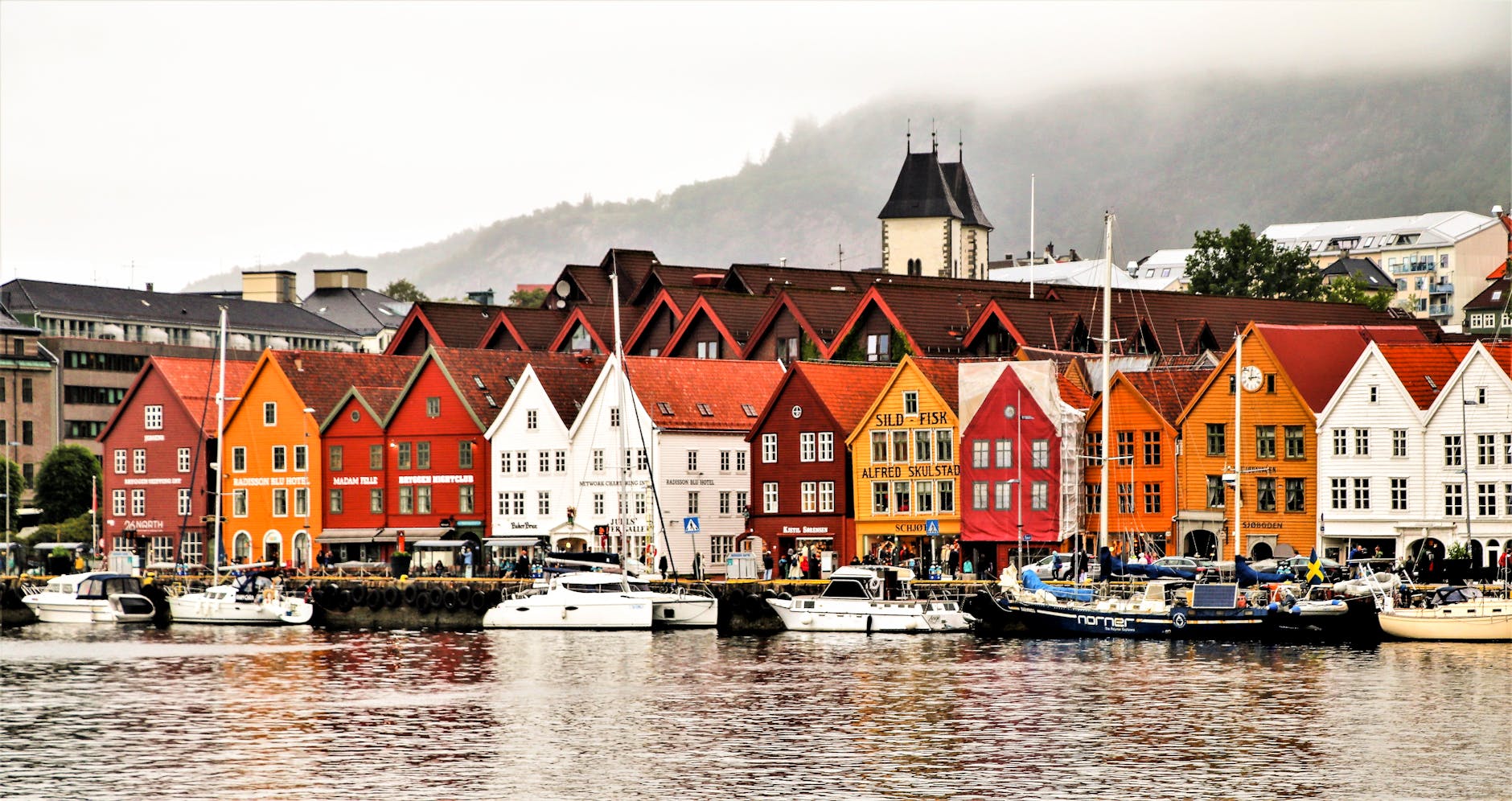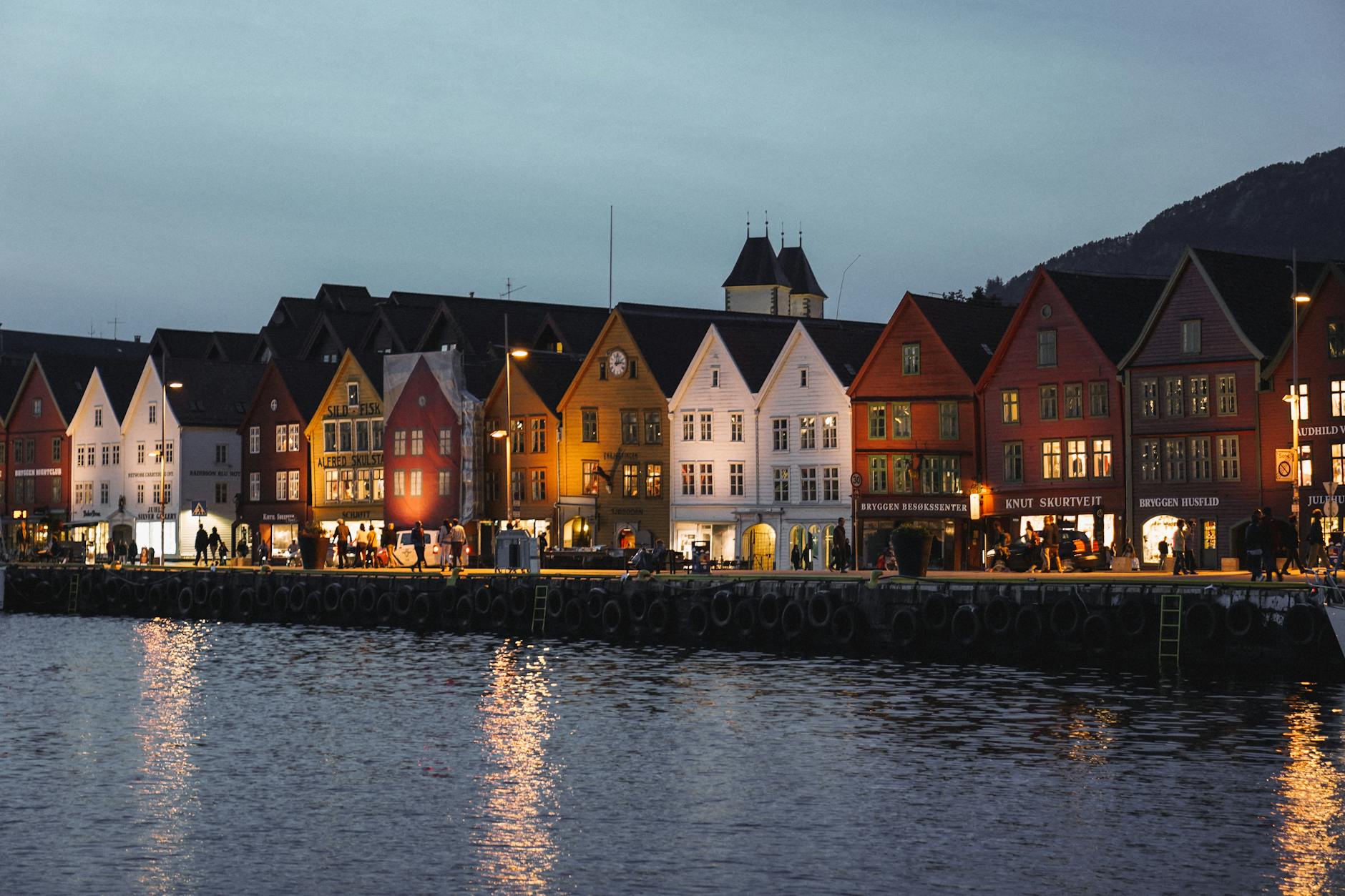
Bergen can be a strong business destination when the traveler respects its harbor geography and weather. The city is compact, scenic, and practical, but rain, slopes, airport timing, hotel access, client dinner placement, and meeting locations can still create friction if the trip is planned like a generic business stop.
Map the meeting geography first
A Bergen business visitor should know where the main meeting, hotel, client dinner, station, airport link, and any secondary sites sit before choosing a base. The city center is compact, but harbor edges, slopes, rain, and local transport still change the best answer.
The business map should come before the hotel booking.
- Confirm office address, visitor entrance, meeting schedule, client dinner location, and backup meeting space.
- Compare hotels by door-to-door timing to the actual work, not only by harbor view.
- Check whether meetings sit in central Bergen, near the harbor, or farther from the tourist core.
Plan the airport and station transfer
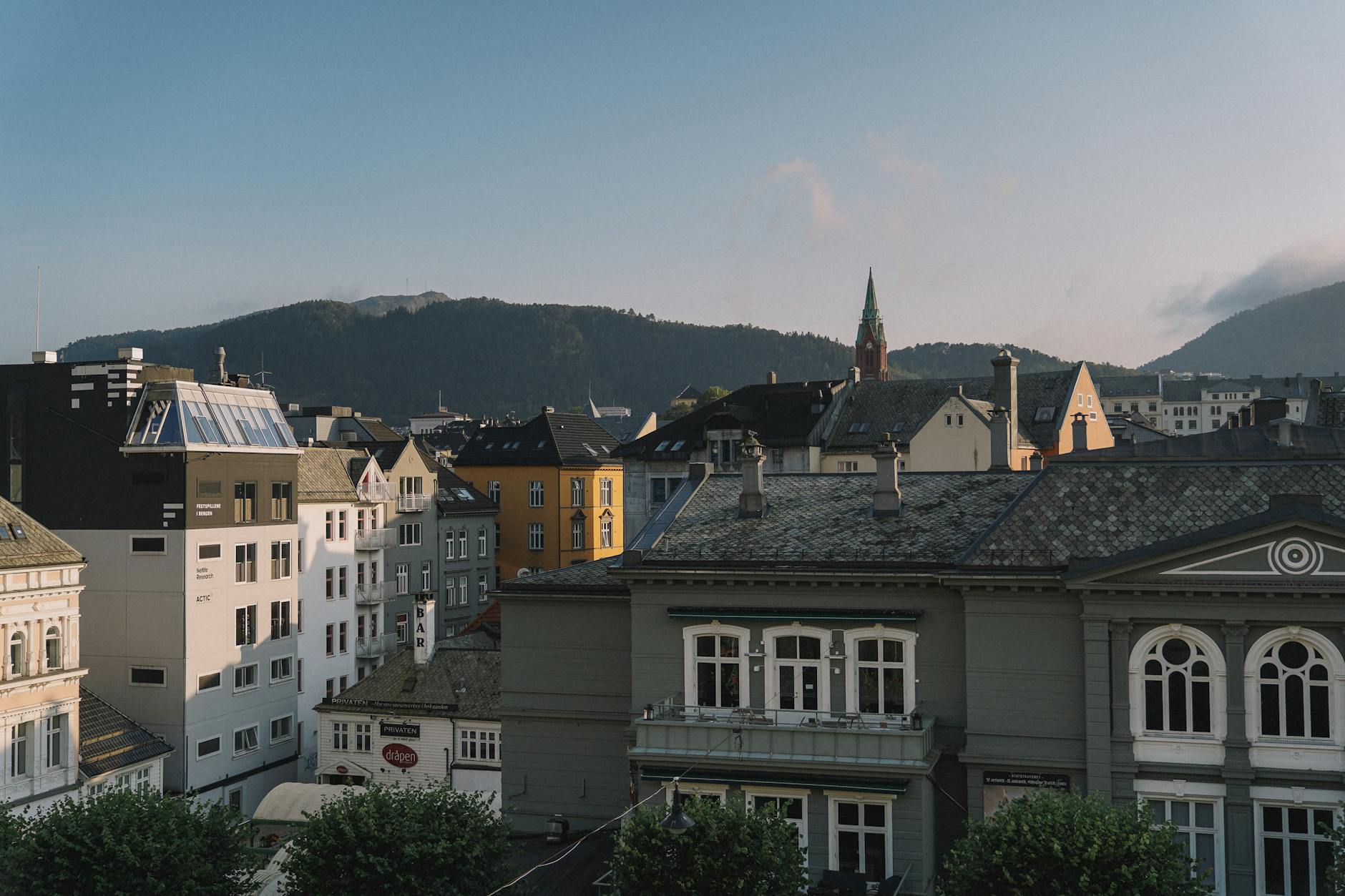
Bergen arrival planning should account for airport timing, light rail or taxi choices, luggage, weather, hotel check-in, and the first meeting. A transfer that is comfortable in dry daylight may feel different in heavy rain or late evening.
Arrival should create readiness, not stress.
- Compare airport light rail, taxi, and arranged transfer by timing, luggage, weather, and meeting pressure.
- Save hotel, office, station, airport, taxi, and walking routes offline.
- Build a buffer before the first client obligation, especially in bad weather.
Choose a hotel that works in rain
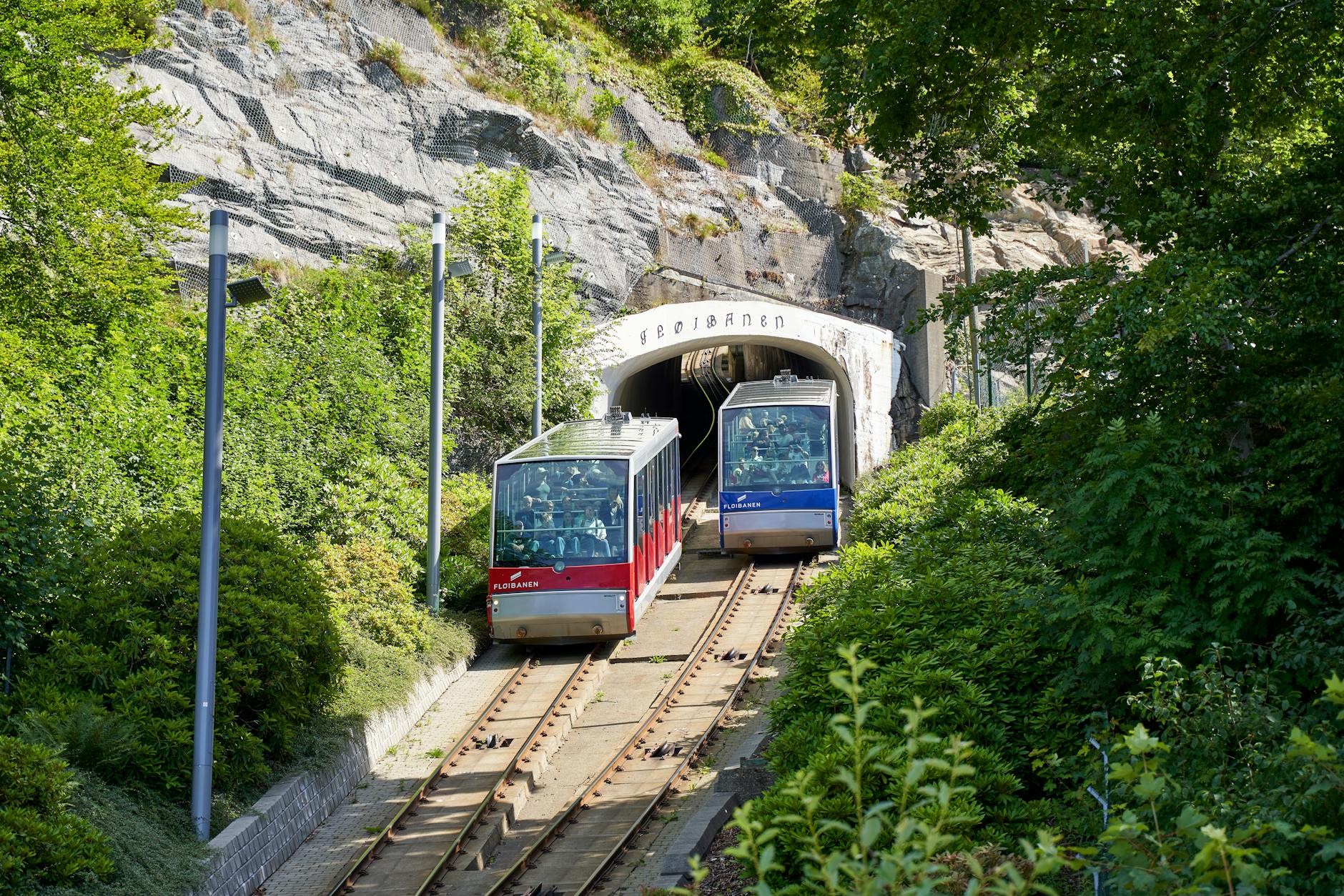
A good Bergen business hotel should support sleep, quiet calls, desk work, breakfast timing, luggage, receipts, and easy movement during wet weather. A pretty harbor location is useful only if the route and room still work for the business purpose.
The hotel should be a reliable base.
- Check desk setup, Wi-Fi, noise, breakfast hours, late arrival, laundry, ironing, and receipt handling.
- Favor a route that remains practical in rain, wind, and low light.
- Keep taxi pickup, covered walking options, and nearby meal choices visible.
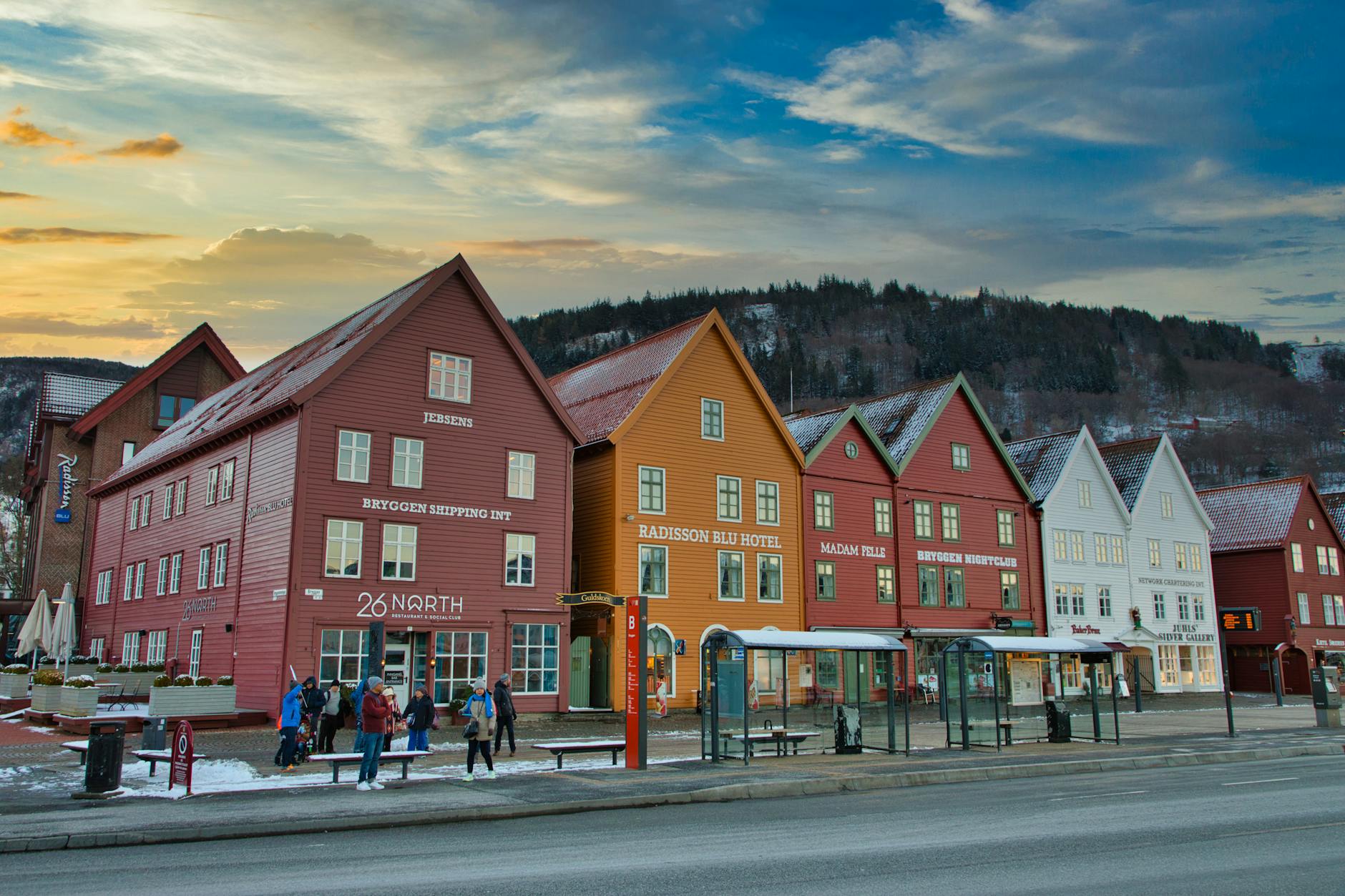
Treat rain as normal operating context
Bergen's weather is not an edge case. Rain, wet shoes, wind, umbrellas, coats, and slower walking can affect punctuality, comfort, and presentation readiness. The business plan should assume weather may shape the day.
A dry-weather schedule is not enough.
- Pack shoes, layers, rain shell, bag cover, and professional clothing that can handle wet movement.
- Allow extra time for walking, taxis, entrances, and wardrobe resets.
- Use direct transport when rain could weaken arrival quality before a meeting.

Make client meals practical
Client meals in Bergen can be memorable, especially around harbor and seafood settings, but they should be planned around noise, route simplicity, reservations, dietary needs, expense rules, and the next morning's schedule.
A strong meal should support the business goal.
- Choose restaurants by conversation quality, route reliability, reservation timing, and receipt handling.
- Check seafood preferences, dietary needs, alcohol pacing, and local price levels.
- Avoid distant or late meals before early meetings, airport transfers, or rail departures.
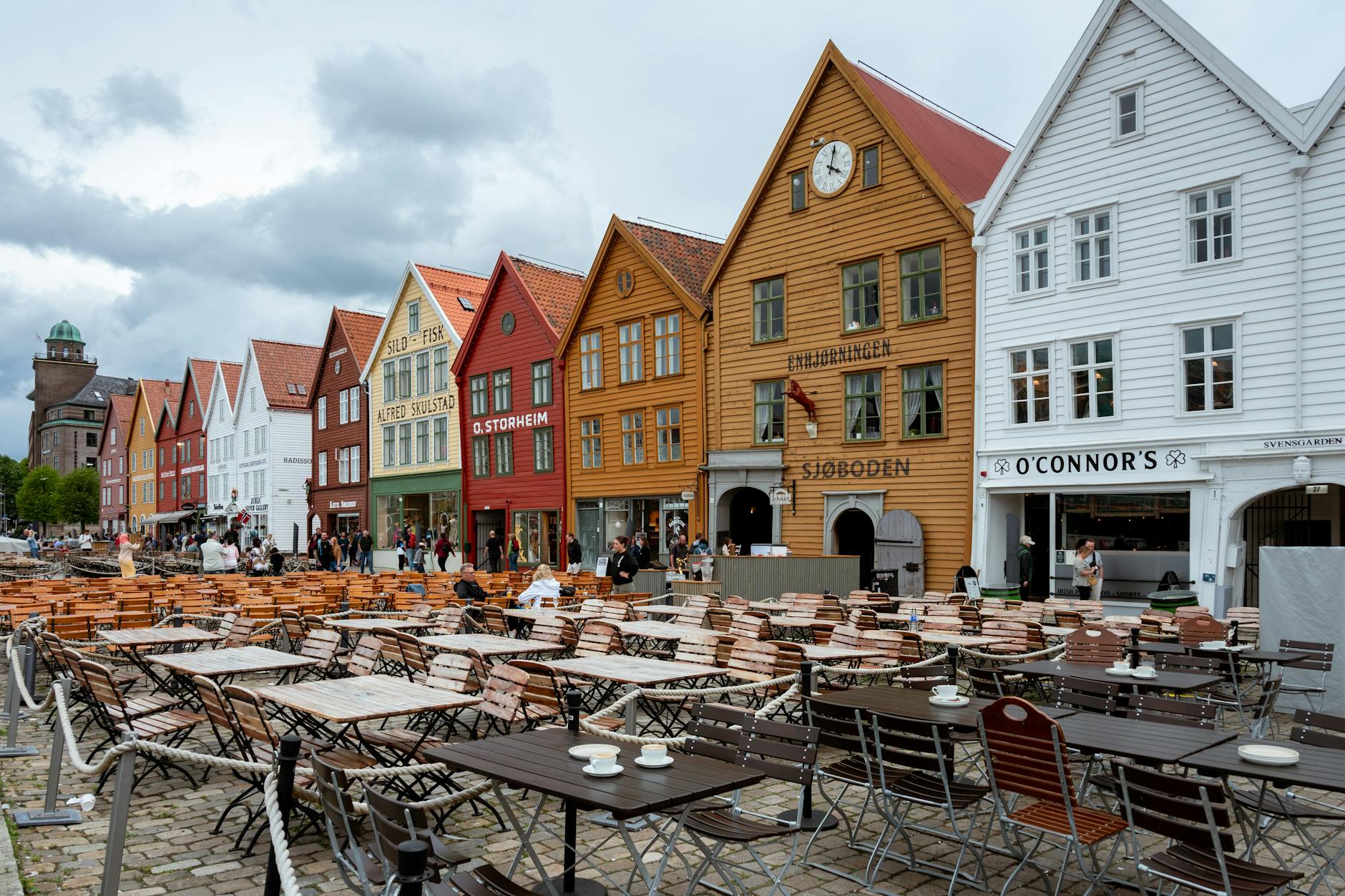
Protect work gaps and contingency time
A business visitor may need quiet calls, document edits, expense capture, follow-up emails, and internal updates between meetings. Bergen's compactness does not remove the need for protected work time, especially when weather or client schedules shift.
Slack is part of the business plan.
- Schedule quiet blocks for calls, notes, follow-up, and presentation changes.
- Identify hotel, cafe, lobby, or meeting spaces with power, quiet, and reliable connectivity.
- Carry chargers, adapters, power bank, offline files, and backup documents.

When to order a short-term travel report
A business visitor with one familiar meeting and a known hotel may not need a custom report. A report becomes useful when the trip includes multiple meeting sites, rain-sensitive movement, client dinners, tight airport timing, expensive hotel choices, equipment, confidential calls, or departure soon after the final meeting.
The report should test meeting geography, airport transfer, hotel work setup, rain movement, client meals, costs, contingency time, and departure buffers. The value is a Bergen business trip that stays calm and productive despite weather and tight timing.
- Order when meetings, hotel choice, airport timing, rain, meals, work gaps, costs, or departure timing need exact planning.
- Provide dates, meeting addresses, hotel candidates, arrival details, equipment needs, expense rules, budget, and dinner plans.
- Use the report to keep the Bergen trip punctual, prepared, and professionally useful.