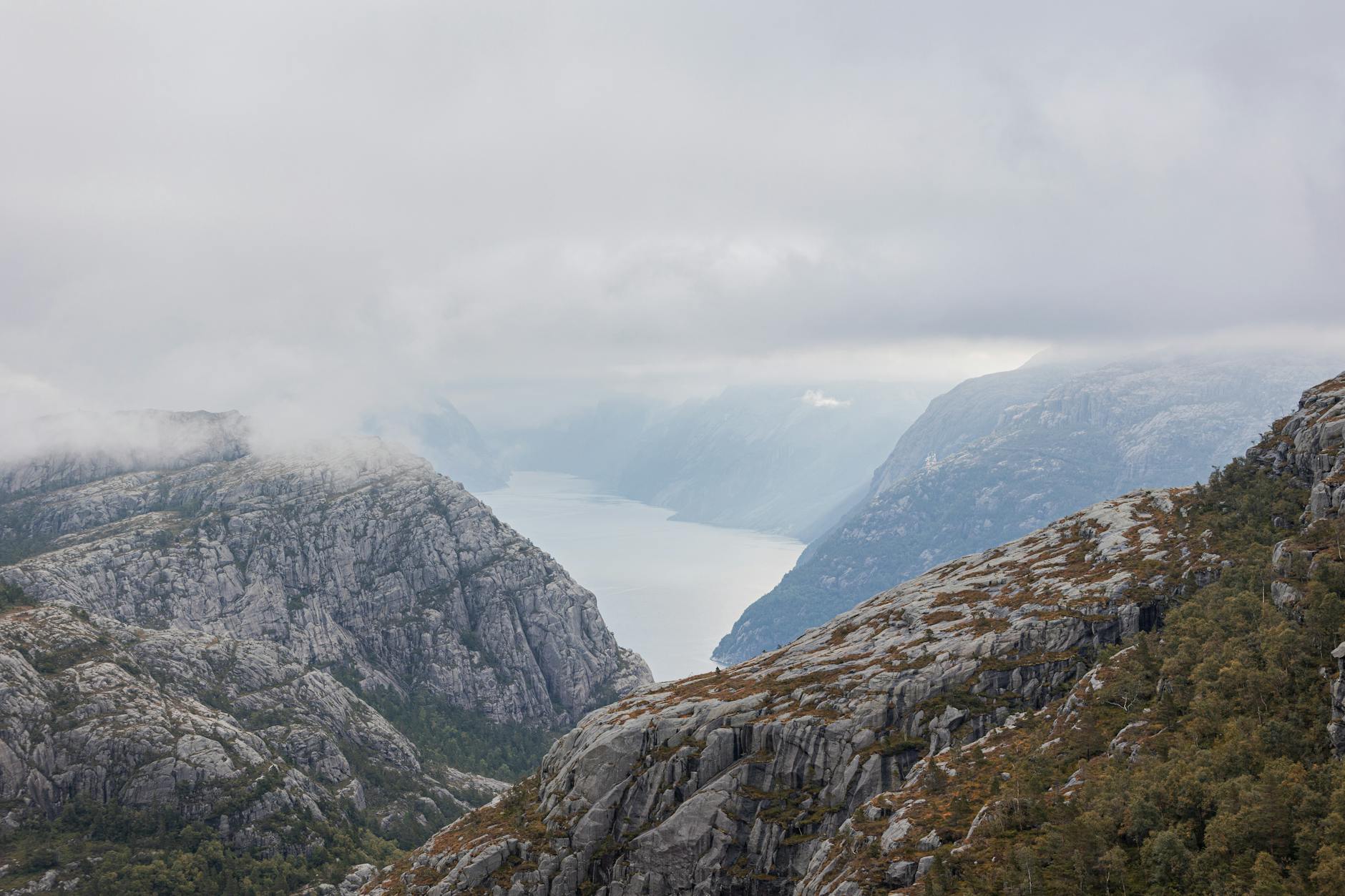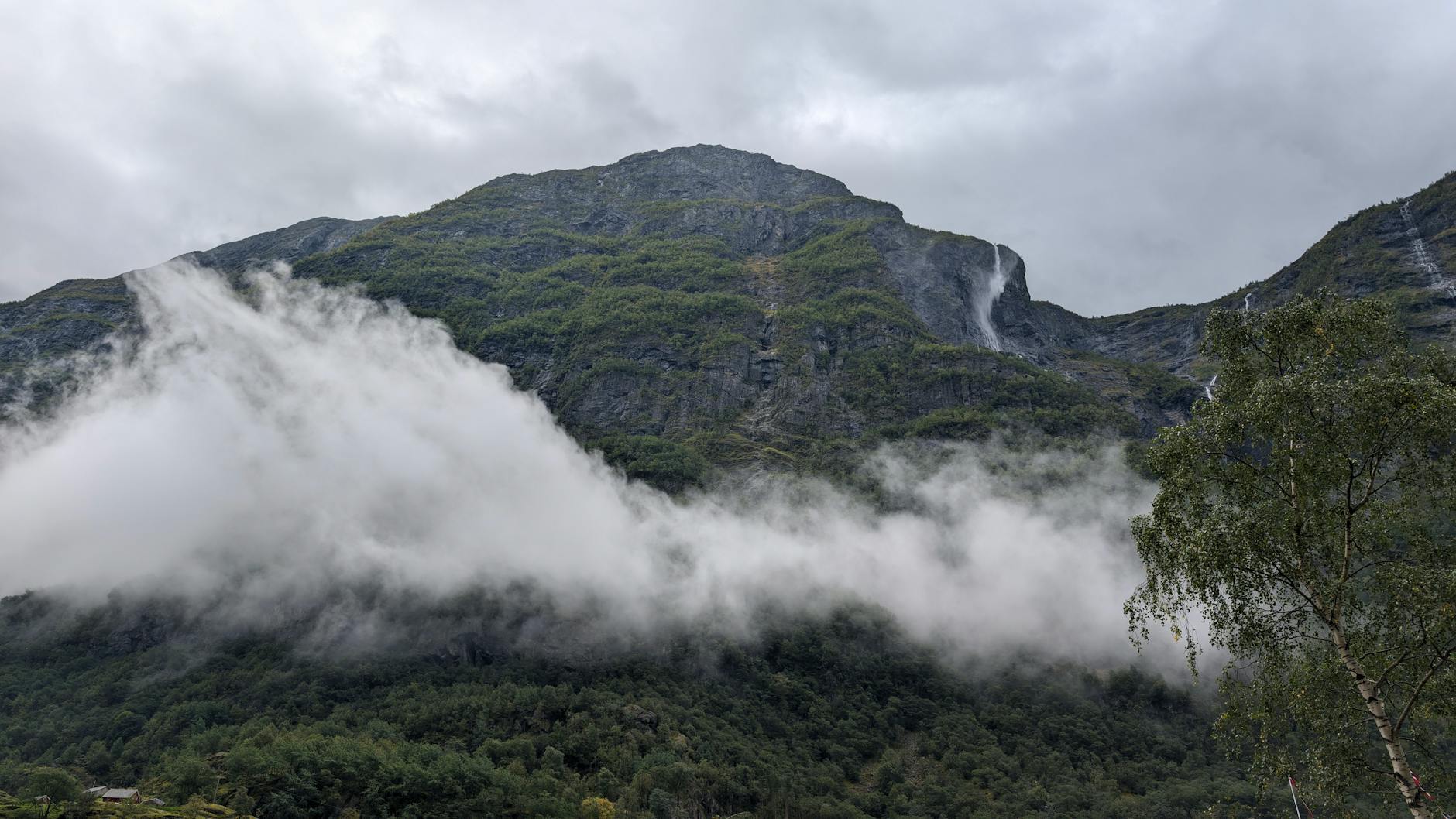
Bergen is an appealing base for an adventure or outdoor traveler, but a short stay needs disciplined planning. Mountains, fjords, rain, clouds, wind, trail surfaces, transport, gear, daylight, and recovery all decide whether the trip feels exciting or merely exposed.
Match ambition to Bergen weather
Outdoor plans around Bergen should begin with weather realism. Rain, low cloud, wind, short daylight, and slick surfaces can change a mountain walk, viewpoint, fjord outing, or longer trail day quickly.
The plan should flex with conditions.
- Check forecast, visibility, wind, daylight, and trail conditions before fixing the outdoor priority.
- Separate must-do outdoor time from optional scenic add-ons.
- Keep an indoor or lower-intensity backup that still feels connected to Bergen.
Choose routes by exit options
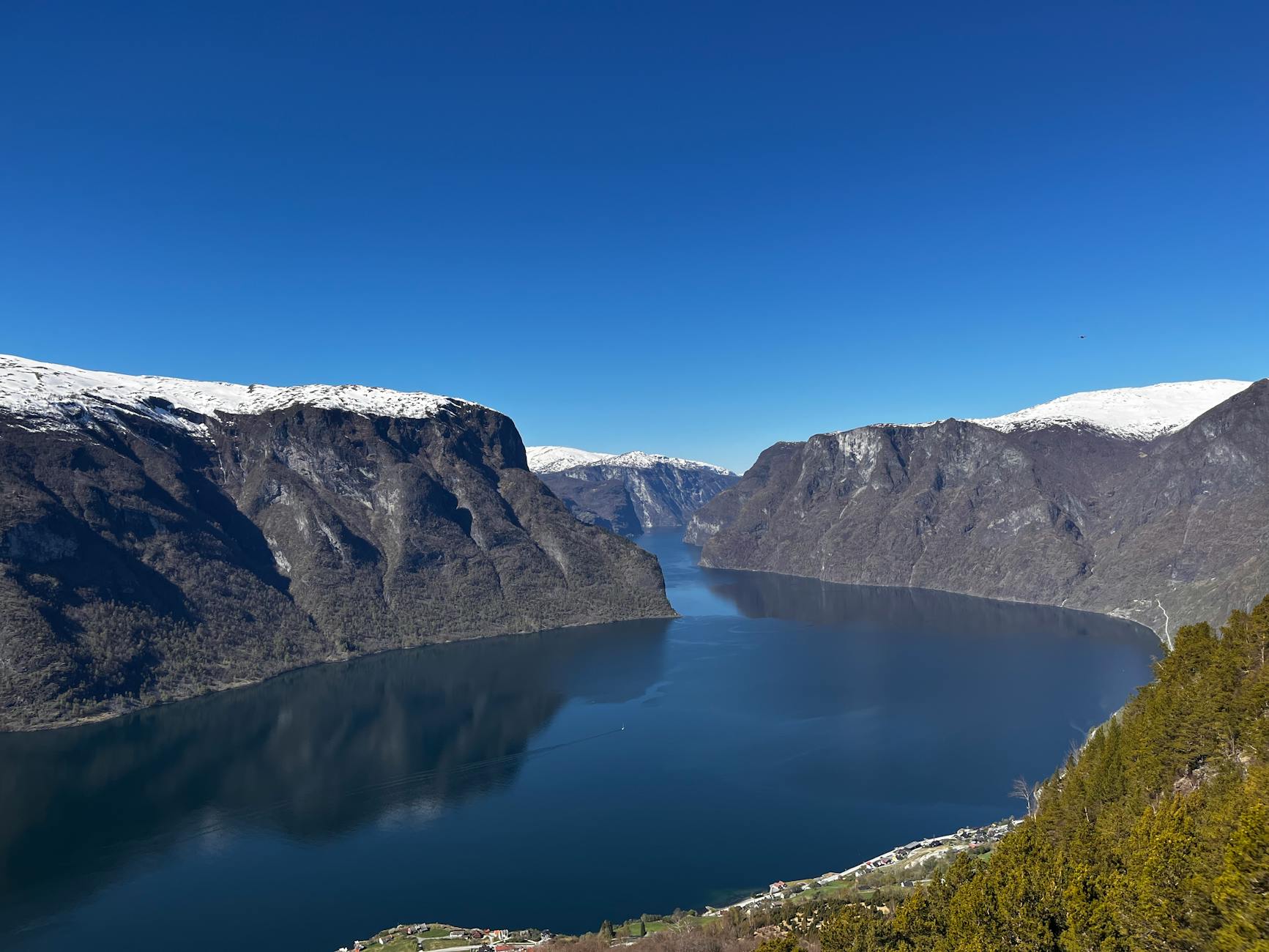
A good route is not only scenic; it also has sensible start points, exits, transport links, and ways to stop early. On a short Bergen trip, a route that becomes too long can consume the whole stay.
Exit options are part of safety.
- Know the route distance, elevation, surface, transport links, and realistic time for the slowest traveler.
- Identify where to turn around, shorten the day, or switch to public transport or taxi.
- Avoid remote or complex routes if the arrival day, weather, or group fitness is uncertain.
Treat fjords and excursions as logistics
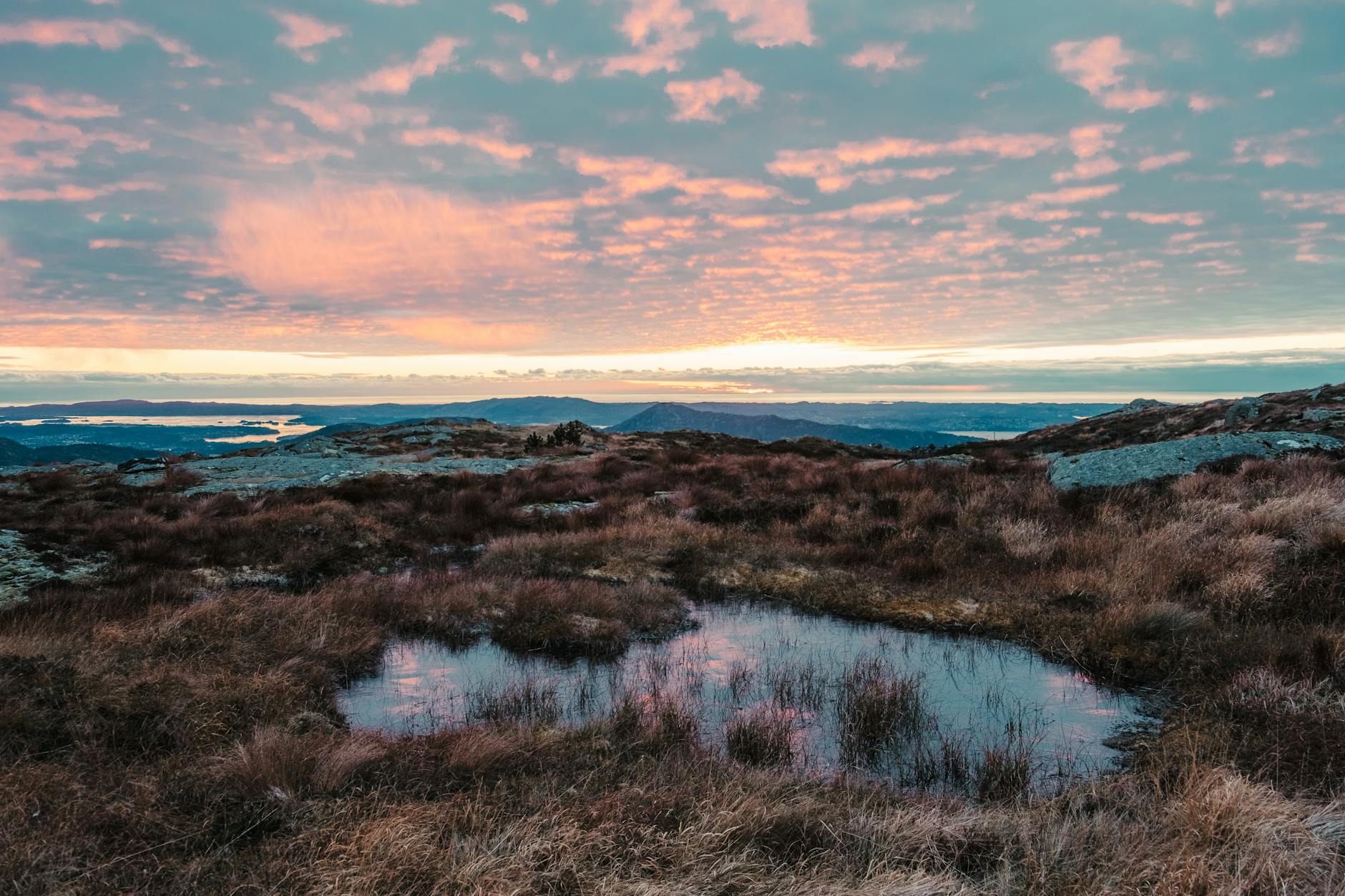
Fjord outings, waterfalls, ferries, viewpoints, and mountain transport can be the highlight of a Bergen stay, but they are not casual fillers. They need ticket checks, timing, food, weather judgment, and recovery room.
Scenery still has logistics.
- Check departure points, return times, booking rules, weather exposure, seasickness risk, and food options.
- Avoid placing a long excursion before a tight flight, rail departure, or important work commitment.
- Choose one strong outdoor anchor instead of several fragile half-days.
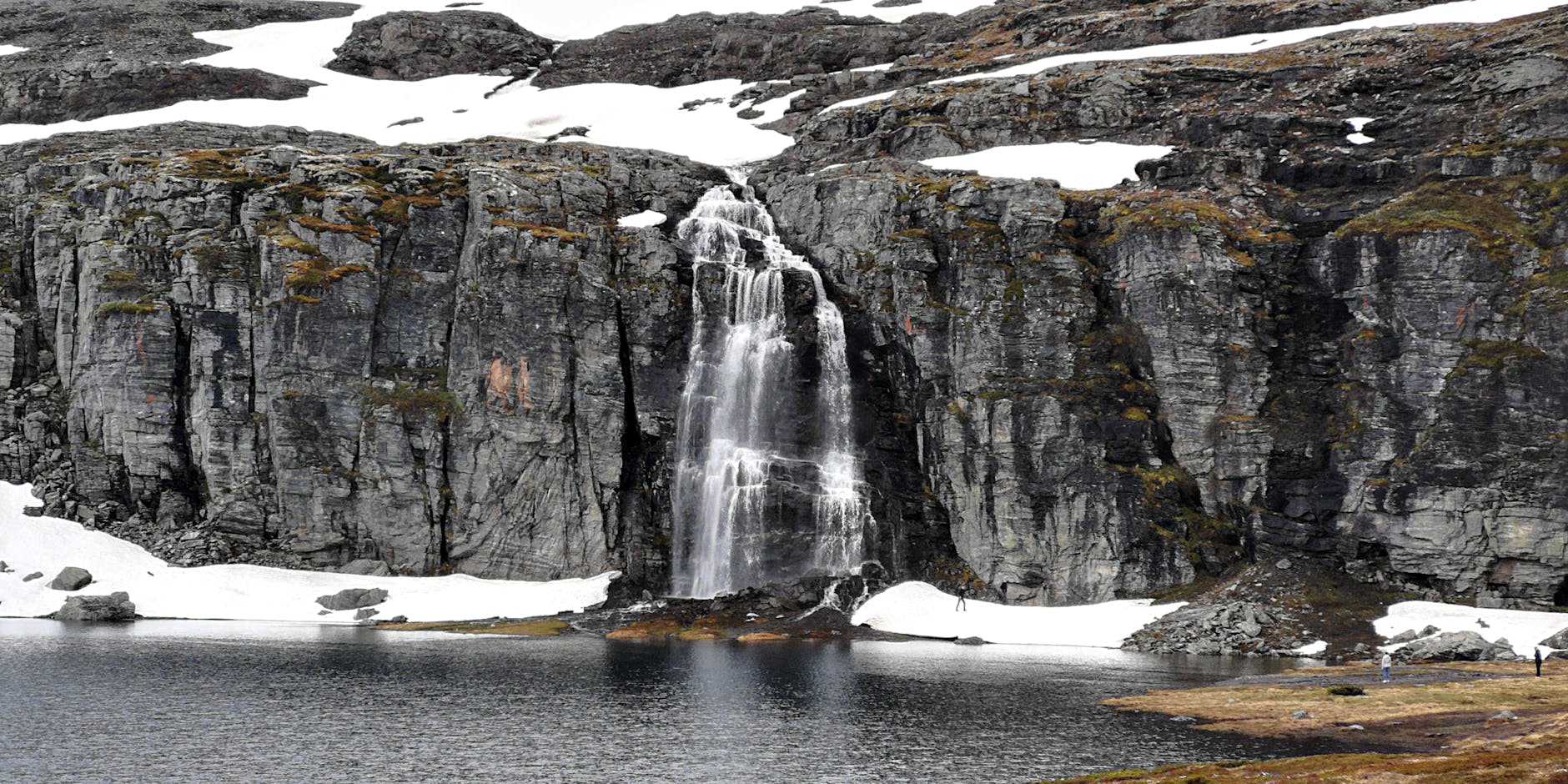
Pack for wet surfaces and temperature swings
Bergen outdoor travel rewards proper gear and punishes optimistic packing. Wet trails, muddy paths, sudden wind, and shifting temperature can make ordinary city clothes unsafe or uncomfortable.
Gear should match the worst likely hour.
- Bring shoes with grip, rain layers, warm layers, water protection, snacks, and enough phone power.
- Carry a small first-aid kit, any medication, and offline maps for the route.
- Avoid cotton-heavy or fashion-led packing if the plan includes exposed viewpoints or trails.
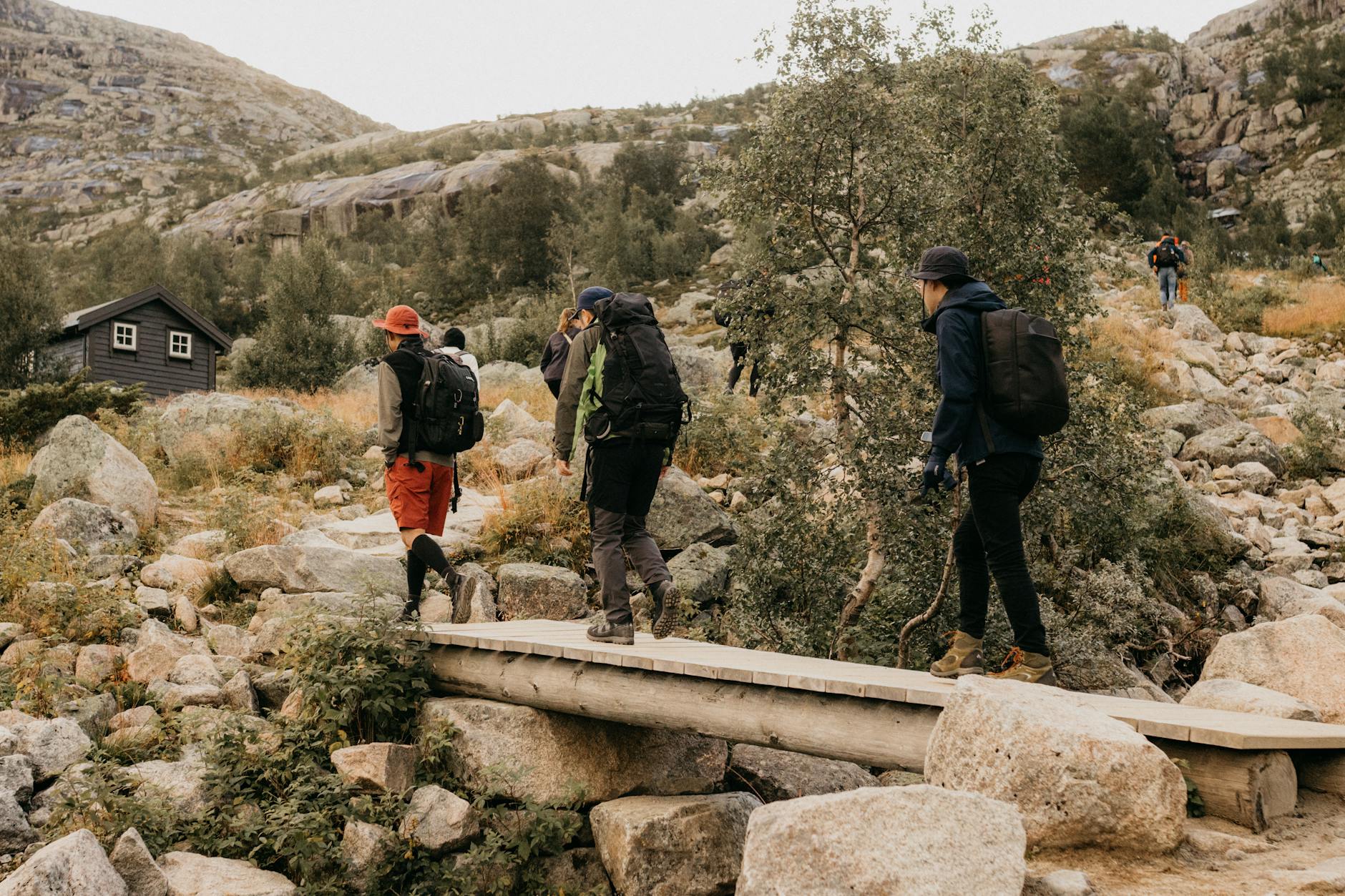
Plan group safety and communication
Adventure trips often involve different fitness levels, risk tolerance, and expectations. A Bergen outdoor day should make group pace, weather decisions, emergency contacts, meeting points, and turn-back rules clear before the route starts.
Safety improves when decisions are made early.
- Agree on pace, turnaround time, minimum gear, weather cutoff, and what happens if the group splits.
- Share route details, hotel address, emergency contacts, and transport options.
- Keep a conservative plan if anyone is jet-lagged, under-equipped, or new to wet mountain conditions.
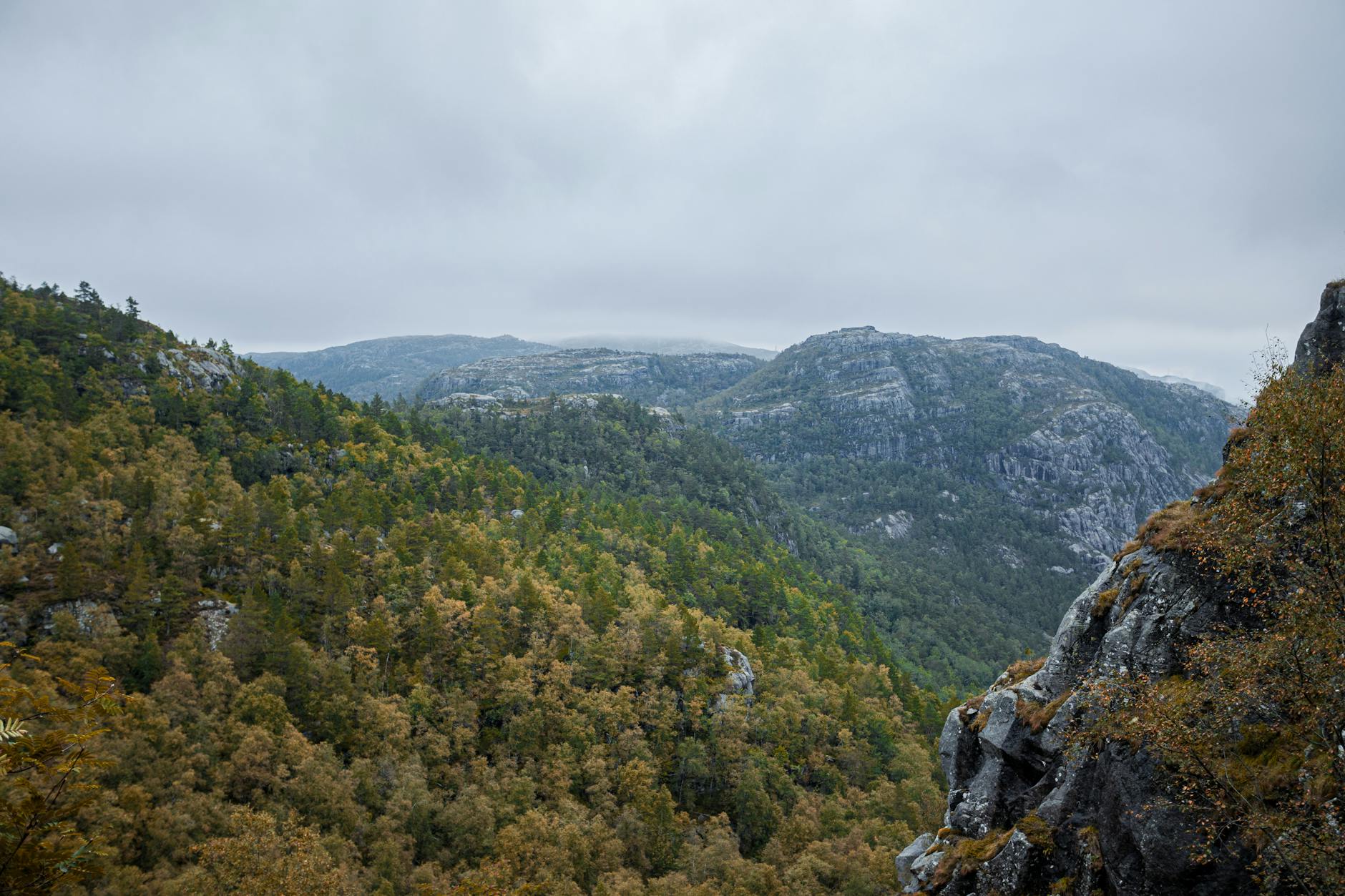
Protect recovery, meals, and departure
A short outdoor trip can fail after the adventure if the traveler ignores food, laundry, drying gear, sleep, and the next morning's transport. Bergen planning should include recovery time after the wet or strenuous part.
Recovery is part of the itinerary.
- Plan where to eat, warm up, dry layers, recharge devices, and return to the hotel after the route.
- Leave time for laundry, gear drying, packing, and a slower morning after a demanding day.
- Avoid a long exposed outing immediately before departure unless there is generous buffer.
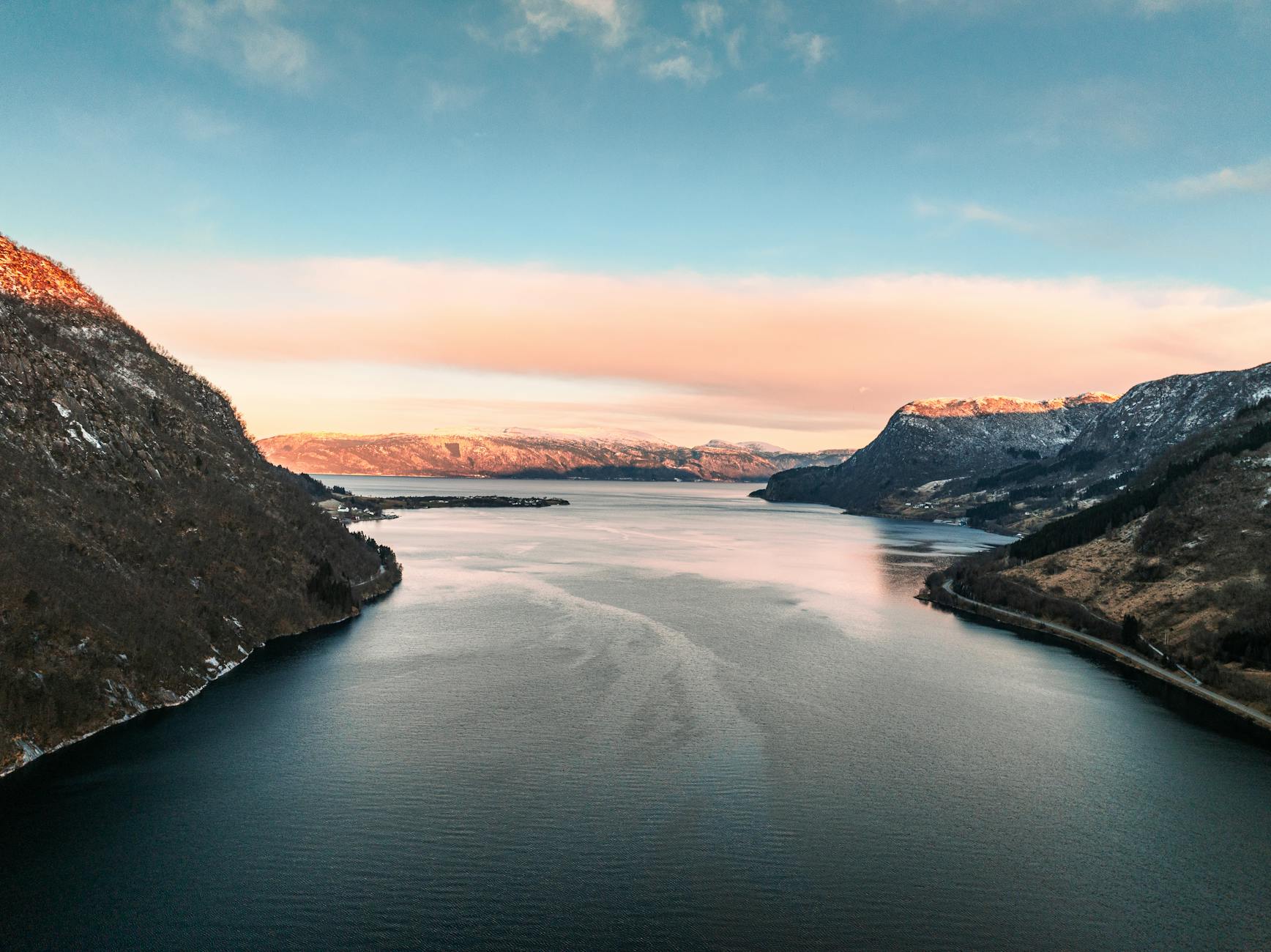
When to order a short-term travel report
An adventure or outdoor traveler with flexible weather windows and local route knowledge may not need a custom report. A report becomes useful when the stay is short, the route choice is uncertain, fjord logistics are involved, weather could erase the main plan, gear needs are unclear, group ability varies, or departure follows the outdoor day closely.
The report should test weather windows, route options, exits, transport, fjord logistics, gear, food, recovery, safety, backup plans, and departure buffers. The value is a Bergen outdoor trip that is ambitious without being careless.
- Order when weather, route choice, fjord logistics, gear, safety, recovery, or departure timing need exact planning.
- Provide dates, fitness level, route interests, gear list, group size, hotel candidates, budget, and arrival details.
- Use the report to keep the Bergen adventure trip realistic, flexible, and rewarding.