*A practical analysis for visitors, foreign residents, and local users* Prepared: April 22, 2026
Scope and audience
This paper explains how transportation in Poland works in practice. It is written for travelers planning a trip, foreign residents learning everyday mobility, and local users comparing the tradeoffs between trains, long-distance coaches, city trams, buses, metro, taxis, ride-hailing, cycling, walking, rental cars, and private vehicles.
The first part covers national-scale transportation patterns that apply across Poland. The second part focuses on the requested city and destination systems:
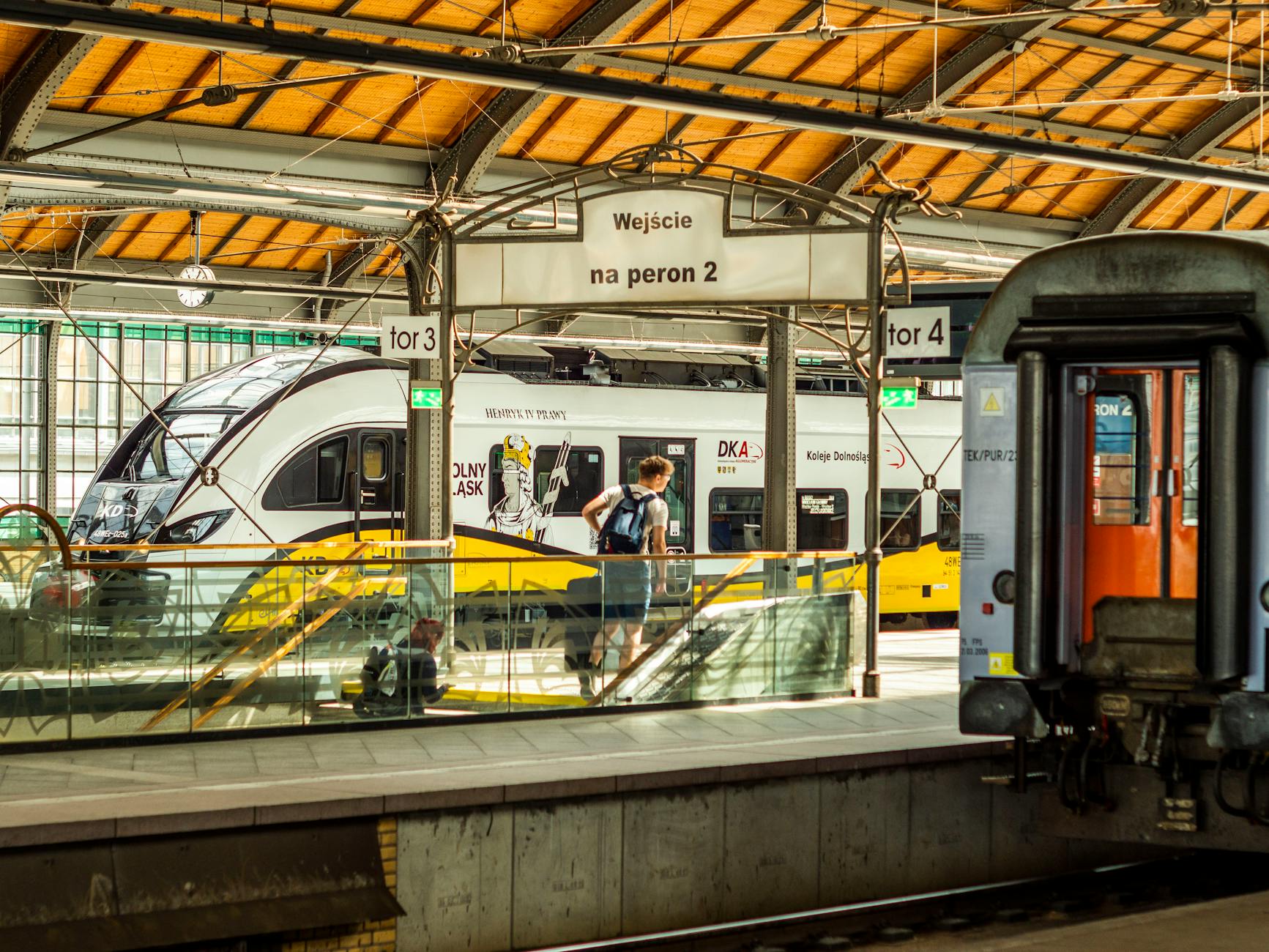
Poland is large enough that the correct transportation choice changes by region. Warsaw, Kraków, Gdańsk, Wrocław, and Poznań are major urban systems with dense tram/bus networks. Warsaw is the only Polish city with a metro. Gdańsk is best understood as part of the Tricity rail corridor with Sopot and Gdynia. Zakopane is a mountain-resort transport system where road congestion, trailhead access, private minibuses, and winter weather matter as much as formal public transit.
Fare information and operating rules change. This paper uses official or operator sources where possible and should be treated as a practical planning document, not a substitute for checking the operator app, ticket machine, or official website on the day of travel.
- Warsaw
- Krakow / Kraków
- Gdansk / Gdańsk
- Wroclaw / Wrocław
- Poznan / Poznań
- Zakopane
Contents
- [Executive summary](#executive-summary)
- [Part I — National-scale transportation in Poland](#part-i--national-scale-transportation-in-poland)
- [1. The Polish transportation model](#1-the-polish-transportation-model)
- [2. The practical decision framework](#2-the-practical-decision-framework)
- [3. Tickets, apps, cards, and payment fragmentation](#3-tickets-apps-cards-and-payment-fragmentation)
- [4. National and long-distance rail](#4-national-and-long-distance-rail)
- [5. Regional rail and suburban rail](#5-regional-rail-and-suburban-rail)
- [6. Intercity coaches, regional buses, and minibuses](#6-intercity-coaches-regional-buses-and-minibuses)
- [7. Urban transport: buses, trams, metro, and night networks](#7-urban-transport-buses-trams-metro-and-night-networks)
- [8. Private vehicles, rental cars, tolls, parking, and low-emission zones](#8-private-vehicles-rental-cars-tolls-parking-and-low-emission-zones)
- [9. Taxis, ride-hailing, transfers, and scams](#9-taxis-ride-hailing-transfers-and-scams)
- [10. Airports and airport access](#10-airports-and-airport-access)
- [11. Walking, cycling, scooters, and micro-mobility](#11-walking-cycling-scooters-and-micro-mobility)
- [12. Accessibility, luggage, families, and older travelers](#12-accessibility-luggage-families-and-older-travelers)
- [13. Safety, enforcement, disruptions, and passenger behavior](#13-safety-enforcement-disruptions-and-passenger-behavior)
- [14. Main concerns for residents and locals](#14-main-concerns-for-residents-and-locals)
- [15. Recommended strategies by traveler type](#15-recommended-strategies-by-traveler-type)
- [Part II — City-by-city analysis](#part-ii--city-by-city-analysis)
- [Warsaw](#warsaw)
- [Kraków](#kraków)
- [Gdańsk](#gdańsk)
- [Wrocław](#wrocław)
- [Poznań](#poznań)
- [Zakopane](#zakopane)
- [Comparative city matrix](#comparative-city-matrix)
- [Practical itineraries and modal choices](#practical-itineraries-and-modal-choices)
- [References](#references)
Executive summary
Poland is one of the easier Central European countries to cross by public transport, but one of the easier countries to misunderstand if a traveler assumes there is a single national fare system. There is not. National rail, regional rail, local trams, city buses, airport buses, long-distance coaches, and mountain minibuses are often separate systems with separate tickets, separate apps, and different validation rules.
The best general rule is this: use trains for major intercity corridors, city transport for urban movement, coaches for routes not well served by rail, and rental cars only when the itinerary is rural, scattered, or time-sensitive. A car is useful for castles, countryside, national parks outside rail corridors, rural guesthouses, and multi-stop road trips. A car is usually a burden inside Warsaw, Kraków, Gdańsk, Wrocław, and Poznań because of parking pressure, traffic restrictions, paid parking, tram priority, pedestrianized cores, and low-emission rules in Warsaw and Kraków.
Poland’s rail system is the backbone of visitor travel. PKP Intercity links major cities using several train categories: EIP Pendolino, EIC, IC, and TLK. EIP is the premium fast category, especially useful on Warsaw–Kraków, Warsaw–Gdańsk, Warsaw–Katowice, and Warsaw–Wrocław-type corridors. EIC is also faster and more comfortable than basic services. IC and TLK are usually cheaper and slower, but can be perfectly adequate. Regional rail is run by a mix of operators: POLREGIO and regional companies such as Koleje Mazowieckie, Koleje Małopolskie, Koleje Wielkopolskie, Koleje Dolnośląskie, and SKM in the Tricity area. These are essential for airports, suburbs, day trips, and regional movement, but the ticket you buy for one operator may not automatically work on another.
For a first-time visitor, the most useful apps are:
The most important visitor habit is validation. In Polish cities, buying a ticket is often not enough. A paper ticket usually must be validated after boarding a tram or bus, or before entering a metro platform. A mobile ticket may require activation, entering a vehicle number, scanning a QR code, or selecting a zone. A contactless vehicle ticket may be stored electronically on the payment card rather than printed. Ticket inspectors usually do not accept “I bought something but did not activate it” as a defense.
The second important habit is checking the operator. A train from Kraków Airport to the city is operated by Koleje Małopolskie, not by the city tram/bus operator. A train from Gdańsk Airport uses the Pomeranian rail system, not a normal Gdańsk tram ticket. Warsaw has ZTM/WTP tickets that can cover metro, trams, buses, SKM, and some integrated rail arrangements, but the details matter. Gdańsk has local ZTM tickets and metropolitan tickets; the difference matters when continuing to Gdynia or Sopot. Poznań has normal time tickets and PEKA stop-based payment. Wrocław’s in-vehicle contactless tickets are stored on the bank card and not printed. Kraków’s 2026 fare changes and low-emission zone rules make older guides unreliable.
The third important habit is matching the city to the mode:
For locals, the concerns are different. Residents care about commuting reliability, fare affordability, integrated monthly passes, construction disruptions, tram priority, parking pressure, bike infrastructure, accessibility, night service, suburban coverage, and whether regional rail and city tickets are truly integrated. Poland has improved urban transit substantially, but fragmentation remains a daily issue. A person commuting from a suburb may need a different ticket logic than a tourist staying near the Old Town for three days.
A practical rule set for Poland is:
- PKP Intercity or the PKP Intercity website for long-distance trains.
- KOLEO for searching and buying many rail operators in one place.
- Portal Pasażera for official railway timetable checking.
- Jakdojade for city routing and, in many cities, public-transport tickets.
- e-podróżnik for bus, coach, minibus, and mixed intercity/regional searching.
- Local apps or cards where a city has its own strong system, such as Warsaw’s WTP/ZTM tools, Wrocław’s URBANCARD, Poznań’s PEKA/tPortmonetka, Gdańsk’s FALA, and Kraków’s KMK/ZTP tools.
- Warsaw: use metro, trams, buses, SKM rail, and walking. Avoid driving into the core if you do not need to. Chopin Airport is easy by train/bus; Modlin Airport requires more planning.
- Kraków: walk the Old Town/Kazimierz core, use trams for Podgórze, Nowa Huta, Płaszów, and outer districts, use the airport train for Balice, and understand the Low Emission Zone if driving.
- Gdańsk: think in Tricity terms. Use trams/buses inside Gdańsk and SKM/PKM rail for Sopot, Gdynia, the airport, and regional movement.
- Wrocław: trams are the backbone. Contactless in-vehicle ticketing is convenient but confusing for visitors because no paper ticket is printed.
- Poznań: trams and buses are strong; PEKA/tPortmonetka is excellent for locals, while visitors can use 15-, 45-, 90-minute, 24-hour, or 7-day tickets.
- Zakopane: public transport is a mix of municipal buses, private minibuses, long-distance buses, trains, taxis, and trailhead shuttles. Avoid assuming a car will save time in peak season; traffic and parking are often the bottleneck.
- Use PKP Intercity for city-to-city travel between Warsaw, Kraków, Gdańsk, Wrocław, Poznań, Katowice, Łódź, Szczecin, Lublin, and other major cities.
- Use regional rail for airports, suburbs, short regional day trips, and cross-metropolitan corridors.
- Use coaches for Zakopane, smaller towns, airport-to-city routes without rail, and budget travel.
- Use city transport rather than cars in major urban cores.
- Use ride-hailing or taxis for early flights, heavy luggage, late-night travel, and awkward hotel locations.
- Use rental cars for countryside, mountains, lakes, rural castles, and multi-stop road trips.
- Always check validation rules, zones, and operator coverage before boarding.
1. The Polish transportation model
Poland’s transportation system is layered rather than unified. At the national level, rail and roads connect major cities. At the regional level, each voivodeship and metropolitan area has its own rail and bus arrangements. At the city level, municipal transport authorities operate or organize trams, buses, trolleybuses in some cities, metro in Warsaw, night buses, and integrated local ticket systems. At the resort and rural level, especially in the mountains, private minibuses and coaches fill gaps left by formal public transport.
This layered model is efficient when you understand it. It is frustrating when you assume one ticket or one app covers everything.
The main layers are:
The advantage of Poland is breadth. A visitor can often reach the major tourist cities without a car. Warsaw, Kraków, Gdańsk, Wrocław, and Poznań all have good internal transit. The disadvantage is that the system is not as simple as Switzerland, the Netherlands, or Japan. Ticketing and operator boundaries require attention.
- Long-distance rail: PKP Intercity, with EIP, EIC, IC, TLK, night trains, and international trains.
- Regional rail: POLREGIO and regional rail companies, often useful for airports and day trips.
- Suburban/metropolitan rail: SKM in Tricity, SKM/KM/WKD around Warsaw, SKA in the Kraków area, and regional commuter services around Wrocław and Poznań.
- Long-distance coaches: FlixBus, Sindbad, and regional coach companies.
- Local city transport: buses, trams, metro in Warsaw, and sometimes water trams or seasonal services.
- Private and semi-formal minibuses: common on mountain, rural, and tourist routes, especially around Zakopane.
- Cars: private vehicles, rental cars, car-sharing, taxis, and ride-hailing.
- Active mobility: walking, cycling, bike-share, scooters, and pedestrianized historical cores.
2. The practical decision framework
Use trains when:
Use regional rail when:
Use long-distance coaches when:
Use local city transport when:
Use taxis or ride-hailing when:
Use rental cars when:
Avoid rental cars when:
- Traveling between major cities.
- The route is on a strong rail corridor, such as Warsaw–Kraków, Warsaw–Gdańsk, Warsaw–Poznań, Warsaw–Wrocław, Kraków–Katowice, Poznań–Wrocław, or Gdańsk–Warsaw.
- Traveling to or from city centers, since main railway stations are often central.
- You want predictable travel time and freedom from road congestion.
- You are carrying moderate luggage and can handle stairs/platform transfers.
- Going from Kraków Airport to Kraków Główny.
- Moving between Gdańsk, Sopot, and Gdynia.
- Connecting Warsaw suburbs, Chopin Airport, and the central rail corridor.
- Taking local trips to Wieliczka, Oświęcim, Malbork, or other regional destinations where the timetable works.
- Commuting from suburbs into major cities.
- The destination lacks fast rail.
- The train route is indirect or under construction.
- Traveling to Zakopane, many mountain destinations, or smaller towns.
- The bus station is more convenient than the rail station.
- Price matters more than space, speed, or onboard comfort.
- Moving within Warsaw, Kraków, Gdańsk, Wrocław, or Poznań.
- Connecting railway stations to hotels, museums, universities, stadiums, neighborhoods, and residential districts.
- Avoiding parking, congestion, and restricted zones.
- Staying more than one day in a city with a strong tram/bus network.
- Arriving late at night.
- Carrying heavy luggage.
- Traveling with children or older relatives.
- Going to an address poorly served by transit.
- Making short group trips where the fare per person is reasonable.
- Leaving for an early flight before transit is frequent.
- Visiting countryside, lakes, castles, rural hotels, or multiple small towns.
- Traveling through national parks or mountain valleys where buses are infrequent.
- Carrying sports equipment.
- Staying outside the city core.
- Doing a road trip rather than a city trip.
- Staying only in central Warsaw, Kraków, Gdańsk, Wrocław, or Poznań.
- Planning to drink alcohol at meals or events.
- Traveling into Kraków or Warsaw in an older vehicle affected by low-emission rules.
- Staying in a hotel without parking.
- Visiting pedestrianized old towns.
- Going to Zakopane in peak season without a parking plan.
3. Tickets, apps, cards, and payment fragmentation
Poland’s transportation system is usable, but payment is fragmented. The most common visitor mistakes come from ticketing rather than from route planning.
The major national and multi-operator tools
PKP Intercity website/app. Use this for PKP Intercity trains, especially EIP, EIC, IC, TLK, sleeping cars, and couchettes. Buying in advance is important for EIP and peak trains. PKP Intercity specifically states that EIP tickets cannot be purchased on board; boarding EIP without a ticket can produce a high fee.
KOLEO. A useful multi-operator rail tool. It can search and sell tickets for many Polish rail operators, including PKP Intercity, POLREGIO, regional rail companies, and SKM Tricity, depending on route and availability.
Portal Pasażera. The official railway timetable search engine maintained by PKP Polskie Linie Kolejowe. It is valuable when checking whether a train exists, whether a route is disrupted, or whether a timetable has changed.
Jakdojade. The most useful city-transport trip planner for many Polish cities. It supports timetable search and, in many cities, mobile ticketing. It is excellent for finding tram/bus routes in unfamiliar cities. It is not a single national fare card; city ticket rules still apply.
e-podróżnik. Strong for bus, coach, minibus, mixed public transport, and smaller carriers. It is useful for towns and regional routes that do not appear cleanly in a national rail planner.
SkyCash, mPay, moBILET, local city apps. These are common mobile ticketing systems. Their availability varies by city and ticket type. Some require vehicle number entry or QR activation. Do not assume a ticket is valid until the app shows it as active.
The main ticketing principles
The practical visitor setup
For a typical Poland trip covering Warsaw, Kraków, Gdańsk, Wrocław, Poznań, and Zakopane, a visitor should install or bookmark:
A resident or long-stay visitor should go further and learn the local card system: Warsaw City Card/WTP, Kraków city/resident products if eligible, Gdańsk FALA/Gdańsk resident options, Wrocław URBANCARD, Poznań PEKA, or Zakopane resident/tourist products.
- A rail ticket is usually operator-specific. A PKP Intercity ticket is not necessarily valid on a regional train, and a regional train ticket is not necessarily valid on PKP Intercity.
- City tickets are city-specific. A Warsaw WTP ticket does not work in Kraków, and a Kraków KMK ticket does not work in Gdańsk.
- Paper tickets often require validation. In buses and trams, validate immediately after boarding. In Warsaw Metro, validate at the gate or validator before entering the platform area.
- Mobile tickets often require activation. Buying in the app may not be the same as activating for a specific vehicle or journey.
- Contactless payment may store the ticket on the card. In Wrocław, for example, in-vehicle card purchases are electronic and not printed; the payment card becomes the proof during inspection.
- Zones matter. Warsaw has Zone 1 and Zone 2. Poznań has zones for short-term tickets and wider network coverage. Kraków has zones I+II+III. Tricity has local, metropolitan, rail, and city products.
- Discounts are not automatic for foreign visitors. Many reduced fares are statutory and require Polish or EU-recognized documents. When unsure, buy a full fare.
- Airport trains may not be city tickets. Kraków Airport train uses Koleje Małopolskie fares. Gdańsk Airport train uses the Pomeranian rail system. Warsaw Chopin is more integrated, but check the exact line and ticket type.
- PKP Intercity
- KOLEO
- Jakdojade
- e-podróżnik
- Google Maps or Apple Maps for walking orientation
- Bolt, Uber, or FreeNow for ride-hailing/taxi fallback
- City-specific apps only if staying longer or commuting frequently
4. National and long-distance rail
PKP Intercity is Poland’s primary long-distance rail operator. It is the default for travel between major cities and is usually the first place a visitor should check for intercity trips.
Main PKP Intercity categories
EIP — Express InterCity Premium. EIP is the premium Pendolino category. It is the most comfortable and often fastest domestic category, used on major routes such as Warsaw–Kraków, Warsaw–Gdańsk, Warsaw–Katowice, and other key corridors. PKP Intercity describes EIP as its most comfortable category and notes that it is served by ED250 Pendolino trains.
EIC — Express InterCity. EIC is a fast, comfortable category with full seat reservation. It often uses upgraded rolling stock and is suitable for business and longer leisure journeys.
IC — InterCity. IC is a common long-distance category. It can be modern and comfortable, sometimes using electric multiple units or refurbished coaches. It is often cheaper than EIP/EIC.
TLK — Twoje Linie Kolejowe. TLK is generally budget long-distance rail. It may be slower and less modern, but it can be useful for overnight travel, cheaper tickets, and routes where premium services do not operate.
Night trains. PKP Intercity operates sleeper and couchette services on selected routes. These can be useful for long north–south or east–west journeys, but availability is limited and should be booked in advance.
Booking and reservations
PKP Intercity sells tickets through its website, app, ticket offices, ticket machines, and some third-party platforms. The e-IC system supports seat reservations, including “seat not guaranteed” situations on some trains.
For a visitor, the safest approach is:
Station-name problems
Many Polish cities have multiple stations:
Always check whether your accommodation is closer to the main station, an airport station, or a suburban station.
Rail passenger rights
Poland is covered by EU rail passenger-rights rules. The Office of Rail Transport (UTK) states that passengers may be entitled to compensation of 25% of the ticket price for delays of 60–119 minutes and 50% for delays of more than 120 minutes, subject to conditions and thresholds.
For practical travel, this means:
Luggage, bikes, pets, and accessibility
Long-distance Polish trains can handle normal suitcases, but large luggage is easier on newer stock and harder in older compartments. Place luggage in racks or designated areas without blocking aisles. For bikes, skis, dogs, wheelchairs, and oversized luggage, check the specific operator conditions. EIP/EIC/IC trains may require bike reservations or have limited bike space.
Accessibility varies. Large stations have elevators or ramps, but older platforms, temporary construction routes, and older rolling stock can be challenging. Travelers with mobility needs should check station accessibility and request assistance where available.
- Search route on PKP Intercity or KOLEO.
- Confirm the exact station names.
- Buy the ticket in advance for EIP, EIC, weekends, holidays, summer, and Christmas/New Year periods.
- Save the PDF/mobile ticket and identification used for purchase.
- Arrive at the station early enough to find the platform.
- Check the platform board again; Polish platforms can change.
- Warszawa Centralna: main central long-distance station in Warsaw.
- Warszawa Wschodnia: east-side hub; many long-distance trains stop here.
- Warszawa Zachodnia: west-side hub and major bus/rail interchange, often under construction or busy.
- Kraków Główny: main Kraków station, attached to the Galeria Krakowska shopping center and bus station.
- Gdańsk Główny: main station for central Gdańsk.
- Wrocław Główny: main Wrocław station.
- Poznań Główny: main Poznań station and bus-station/shopping-center complex.
- Zakopane: main train and bus station area, with local buses and minibuses nearby.
- Keep your ticket if delayed.
- Ask staff or check the operator website for claims procedures.
- For tight connections, build a buffer rather than relying on compensation.
- In winter or during construction periods, avoid same-day cross-country rail-to-flight connections unless the buffer is generous.
5. Regional rail and suburban rail
Regional rail is one of Poland’s greatest strengths and one of its biggest sources of confusion.
Main regional rail types
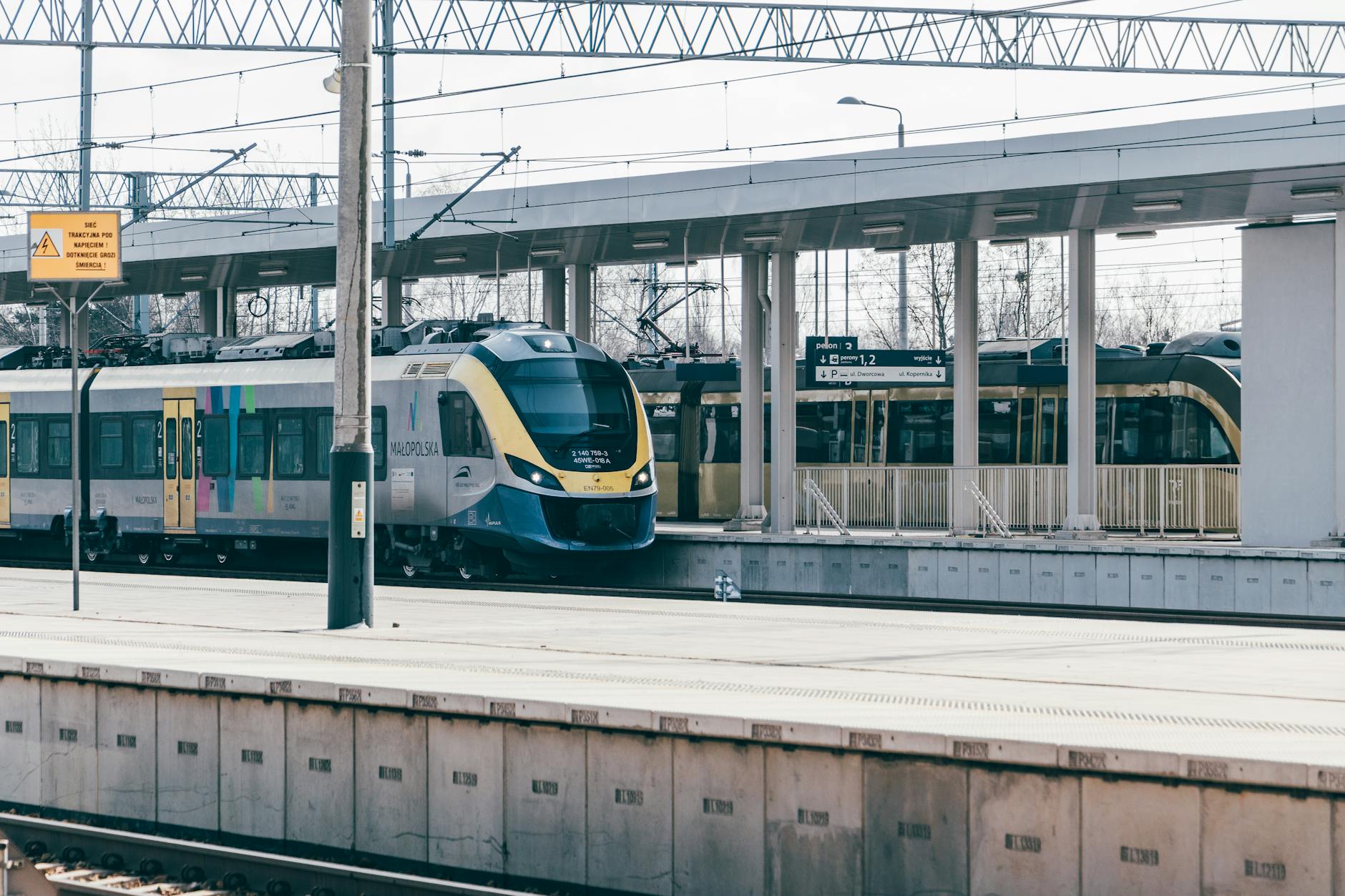
POLREGIO. Nationwide regional operator serving many local and regional routes.
Koleje Mazowieckie. Important around Warsaw and the Masovian region.
Warsaw SKM. Urban rail integrated into Warsaw’s public-transport system on selected routes.
WKD. Warsaw Commuter Railway, useful for southwestern suburbs.
Koleje Małopolskie. Important around Kraków, including the Kraków Airport line and Kraków–Zakopane services.
Koleje Wielkopolskie. Important around Poznań and the Greater Poland region.
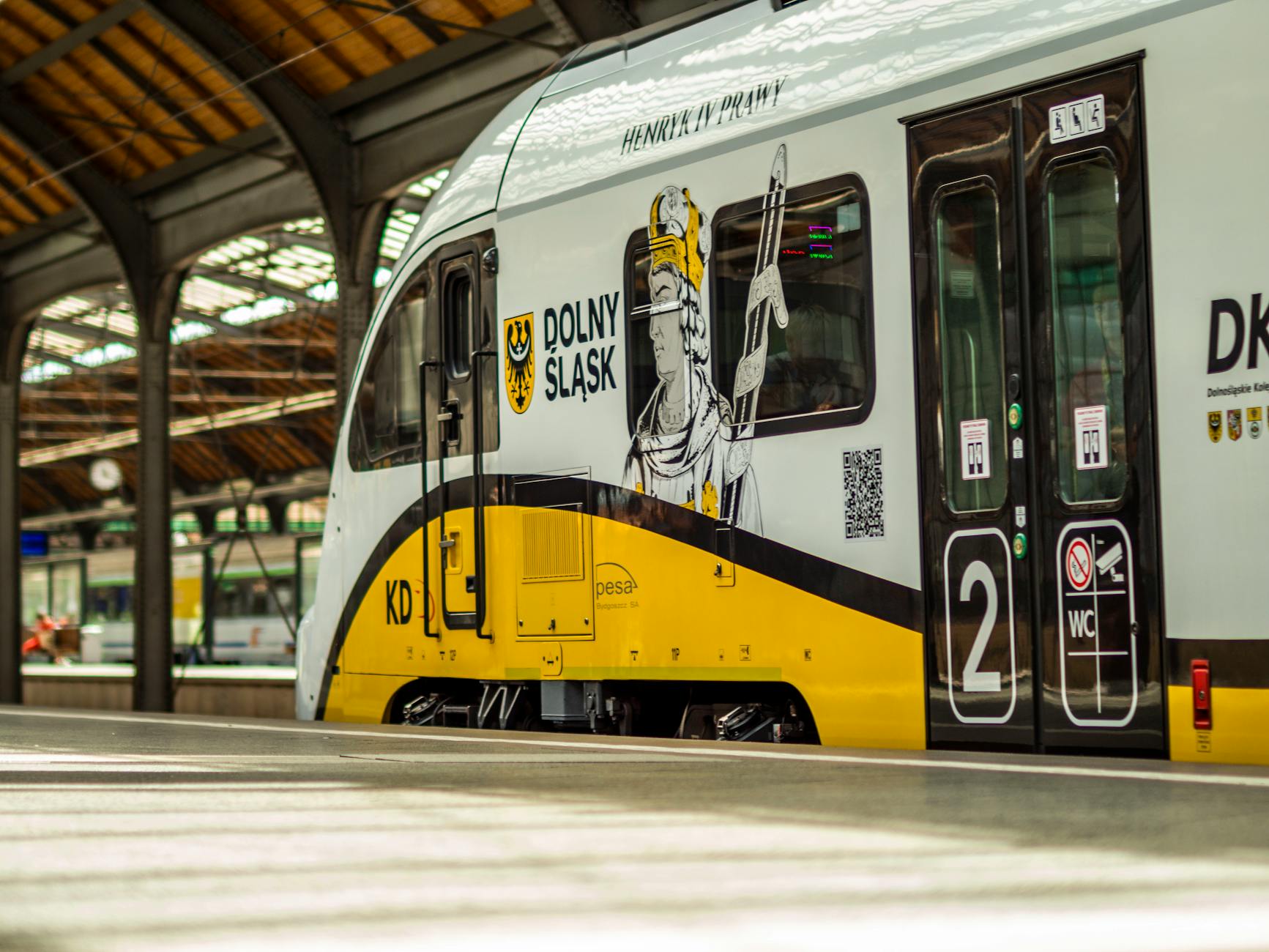
Koleje Dolnośląskie. Important around Wrocław and Lower Silesia.
SKM Tricity / PKM. Essential for Gdańsk, Sopot, Gdynia, the airport, and the wider Pomeranian region.
Why regional rail matters to visitors
Regional rail is often the best mode for:
The main regional rail mistake
The main mistake is assuming that “train ticket” means “any train.” It does not. If a route has PKP Intercity, POLREGIO, and regional trains, the fare may depend on which operator you board. A ticket for one company may not cover another company’s train, unless a specific integrated fare applies.
Practical advice
- Kraków Airport to Kraków Główny.
- Kraków to Wieliczka Salt Mine.
- Gdańsk to Sopot and Gdynia.
- Gdańsk Airport to Wrzeszcz, Gdynia, or Gdańsk Główny with transfers.
- Warsaw Chopin Airport to central Warsaw.
- Day trips to Malbork, Toruń, Oświęcim, Wieliczka, or smaller towns.
- Suburban accommodation where rail is faster than road.
- Use the exact train number/operator shown in the app.
- Do not board a faster intercity train with a regional ticket unless you know it is valid.
- For airport trains, buy the airport-line ticket from the airport station machine, official app, conductor, or appropriate rail platform.
- In metropolitan areas, check whether the local city pass covers local rail, and if so, within which stations.
6. Intercity coaches, regional buses, and minibuses
Poland’s coach network is essential. It fills gaps where rail is slow, indirect, expensive, or absent.
Long-distance coaches
FlixBus operates many domestic and international coach routes. It is common on city-to-city and airport-to-city routes, with digital tickets, onboard luggage rules, and frequent price variation.
Sindbad is important for international coach travel and some domestic connections. It serves many cities in Poland and abroad.
Regional carriers operate from bus stations and smaller stops. In tourist areas, services may be frequent in season and sparse outside season.
e-podróżnik and regional planning
e-podróżnik is particularly useful in Poland because it searches many bus, minibus, train, and city transport connections. It is often better than a pure rail app for smaller towns.
Coaches versus trains
Choose the coach when:
Choose the train when:
Minibuses
Private minibuses are common in mountain and rural destinations. Around Zakopane, minibuses connect the town with trailheads and nearby villages. They are often cash-based, may not appear in every app, and can depart when full or follow a loose schedule. They are practical but less standardized than city transport.
- The coach is direct and the train requires a transfer.
- The bus station is close to your destination.
- The route is to the mountains, including Zakopane.
- The trip is overnight and cheaper than rail.
- Rail construction makes the train slower.
- You want more space.
- City-center station access matters.
- Road congestion is likely.
- You are traveling in winter or peak tourist traffic.
- You need better predictability.
7. Urban transport: buses, trams, metro, and night networks
Most major Polish cities rely on trams and buses. Warsaw adds metro. Gdynia, outside this paper’s city list, has trolleybuses, which matter for Tricity travel.
Trams
Trams are the backbone of Kraków, Gdańsk, Wrocław, and Poznań. They are usually better than buses for visitors because routes are fixed, stops are clear, vehicles often have route displays, and trams are less affected by car congestion where tracks and priority exist.
Buses
Buses fill gaps not served by trams and rail. They are essential for airports in Wrocław and Poznań, suburbs, late-night routes, and hilly or low-density districts. In Warsaw, buses cover large areas beyond the metro/tram grid.
Metro
Warsaw is the only Polish city with a metro. Kraków has discussed and planned metro-style development, but a visitor in 2026 should not plan around an operating Kraków metro. Other requested cities have no metro.
Night transport
Night buses exist in major cities, but frequency varies. Warsaw has a more substantial night network than most. Kraków, Gdańsk, Wrocław, and Poznań have night buses, but routes may converge on specific central interchanges and operate at lower frequencies. For late-night travel with luggage, taxis and ride-hailing are often worth the cost.
Ticket validation and enforcement
Ticket inspection is common enough that trying to ride without a valid ticket is a bad idea. Inspectors can board at any stop and may wear plain clothes until inspection begins. Fines are not a “tourist tax”; they are enforcement of a system where many vehicles do not have gates.
Rules differ, but the safe pattern is:
- Buy the correct ticket before or immediately after boarding.
- Validate paper tickets in the vehicle or metro station.
- Activate mobile tickets before the vehicle moves or as the city rules require.
- Keep the payment card used for contactless tickets until the journey ends.
- Carry ID if using a reduced ticket.
8. Private vehicles, rental cars, tolls, parking, and low-emission zones
Driving basics
Poland drives on the right. Motorways and expressways have improved significantly, and a car can be very useful outside major city centers. The road network is good for road trips, but urban driving can be stressful because of trams, bus lanes, pedestrians, cycling infrastructure, aggressive lane changes, and parking scarcity.
EU road-rule guidance for Poland and Polish police information should be checked for current legal requirements. Common practical points include headlights in use, seat belts, strict alcohol rules, and urban speed enforcement.
Tolls
Poland does not use a simple nationwide vignette for passenger cars. As of current 2026 guidance, most motorway sections are toll-free for light vehicles, but selected concession sections of A1, A2, and A4 may still require payment; heavy vehicles over 3.5 tonnes and buses use the e-TOLL system, which expanded in February 2026.
For visitors in rental cars:
Parking
Polish city centers commonly have paid parking zones. Old towns often have pedestrian or limited-access zones. Hotels may advertise “parking nearby” that is not attached to the hotel and may require payment or reservation.
Parking is a major concern in:
Low-emission and clean transport zones
Low-emission rules are now a real transportation issue in Poland, especially for drivers with older vehicles.
Warsaw. Warsaw’s Low Emission Zone began in 2024. From January 1, 2026, Warsaw expanded the group of vehicles prohibited from entering: gasoline vehicles manufactured before 2000 or not meeting Euro 3, and diesel vehicles manufactured before 2009 or not meeting Euro 5. The city states that unauthorized entry can carry a fine of up to 500 PLN.
Kraków. Kraków’s Low Emission Zone began January 1, 2026 and covers roughly 60% of the city area. Gasoline/LPG cars must meet Euro 4 or be manufactured in 2005 or later. Passenger diesel vehicles up to 3.5 tonnes must meet Euro 6 or be from 2014 or later. Foreign-registered vehicles must be entered in the LEZ system even when they meet the standard.
For travelers, the simplest advice is: do not drive an older car into Warsaw or Kraków without checking the zone rules first. Rental cars from mainstream agencies are usually newer, but always verify if the itinerary enters a zone.
Winter and mountain driving
Winter matters in southern Poland, especially around Zakopane and mountain resorts. Snow, ice, fog, narrow roads, tourist traffic, and parking shortages can turn a short map distance into a long journey. In winter:
- Ask the rental company which toll roads require payment.
- Confirm whether the car has an app/account or transponder arrangement.
- Keep receipts from toll gates.
- Do not assume all Polish motorways are free.
- If driving a camper, large van, or vehicle combination over 3.5 tonnes, check e-TOLL rules carefully.
- Central Warsaw.
- Kraków Old Town/Kazimierz.
- Gdańsk Main Town and waterfront areas.
- Wrocław Old Town and islands.
- Poznań Old Town and station/shopping complex areas.
- Zakopane near Krupówki, Kuźnice, and trailhead roads.
- Use winter tires.
- Confirm snow-chain requirements if driving into mountain roads.
- Do not park illegally on narrow roads.
- Expect traffic into Zakopane on weekends, holidays, ski periods, and summer peaks.
- Consider rail or coach from Kraków rather than driving.
9. Taxis, ride-hailing, transfers, and scams
Taxis and ride-hailing are widely available in major Polish cities. Uber, Bolt, and FreeNow are common in urban areas, though availability varies by city, time, and neighborhood.
When taxis and ride-hailing are the best choice
Taxi cautions
Local and resident perspective
For locals, ride-hailing is a supplement, not a replacement. It is useful at night and for awkward trips, but city transport is far cheaper for daily commuting. Residents often compare taxi reliability, surge pricing, driver availability, and safety against night buses or cycling.
- Early-morning airport departures.
- Late-night arrivals.
- Heavy luggage.
- Family travel.
- Rain, snow, or heat.
- Travel to hotels away from rail/tram corridors.
- Short group trips where public transport would require multiple tickets.
- Use official airport taxi ranks or apps.
- Avoid unmarked cars or drivers approaching inside stations/terminals.
- Confirm price or meter use before departure if taking a street taxi.
- Use app-based services when language or pricing confidence is low.
- At major stations, be wary of anyone aggressively offering “taxi” service away from the official rank.
10. Airports and airport access
Poland’s major airports are usable by public transport, but the mode differs city by city.
Warsaw Chopin Airport
Chopin Airport is close to Warsaw and connected by buses and SKM/regional rail. It is the easiest major Polish airport for central-city access. The key visitor issue is choosing between train, bus, taxi, or ride-hailing based on hotel location and luggage. Train access is efficient for central rail stations and some suburbs; buses are useful for direct corridors; taxis/ride-hailing are best for early/late or door-to-door trips.
Warsaw Modlin Airport
Modlin is farther from Warsaw and requires more planning. Typical options include coach, train plus shuttle, or taxi/private transfer. Build a larger buffer than for Chopin, especially for low-cost airline flights.
Kraków Airport
Kraków Airport is well connected by Koleje Małopolskie train to Kraków Główny. The airport source lists tickets including Kraków Airport–Kraków Main Train Station at 20 PLN and notes that tickets can be bought on the train machine, online, from the conductor, at selected sales channels, or at the airport rail ticket point.
Gdańsk Airport
Gdańsk Lech Wałęsa Airport has a rail station and is connected by PKM/SKM-style regional rail to Gdańsk Wrzeszcz, Gdańsk Główny with connections, Sopot, Gdynia, and Kashubian routes. It also has bus options. Rail is good for Tricity movement, but visitors must understand that this is not simply a normal tram ticket.
Wrocław Airport
Wrocław Airport does not have a rail station. Public buses connect the airport to the city. The airport lists day lines 106 and 129 and night line 206; line 106 runs to/from the Main Railway Station and Central Bus Station, with the full route commonly taking about 40–50 minutes depending on traffic.
Poznań Airport
Poznań-Ławica Airport is close to the city and connected by public buses. The airport lists lines 159, 148, and night line 222, with estimated travel time from the airport to the city center around 20–25 minutes.
Zakopane airport access
Zakopane has no commercial airport for normal visitor use. Most visitors arrive via Kraków Airport, then continue by bus, train, private transfer, or rental car.
11. Walking, cycling, scooters, and micro-mobility
Poland’s historical city centers are often walkable, but not always flat or barrier-free.
Walking
Walking is excellent in:
Walking problems include cobblestones, icy winter sidewalks, tram tracks, underpasses, station complexes, and long distances from “nearby” hotels to stations.
Cycling and bike-share
Cycling conditions vary sharply. Gdańsk and the Tricity area have a strong seaside and metropolitan cycling culture, including MEVO bike share. Wrocław has bike infrastructure and city bikes. Warsaw and Kraków have improved cycling corridors but also busy roads and winter limitations. Poznań is bikeable in many central areas, though tram tracks require caution.
Scooters
Shared e-scooters appear in many Polish cities. Rules and parking enforcement can change. Visitors should avoid riding on cobblestones, in heavy pedestrian areas, after drinking, or on unfamiliar roads at night.
- Warsaw Old Town and central boulevards, though distances across Warsaw are larger than visitors expect.
- Kraków Old Town, Planty, Kazimierz, Podgórze, and Wawel area.
- Gdańsk Main Town, waterfront, shipyard areas, and Oliwa parks.
- Wrocław Old Town, Ostrów Tumski, islands, and riverfronts.
- Poznań Old Town, Śródka, Ostrów Tumski, and central districts.
- Zakopane’s Krupówki and nearby walking areas, though trailheads often need transport.
12. Accessibility, luggage, families, and older travelers
Accessibility
Accessibility is improving but inconsistent. Newer trams, buses, metro stations, and airports are generally easier. Older tram stops, railway platforms, underpasses, and small-town stations can be hard for wheelchair users or travelers with heavy bags.
Common barriers:
For wheelchair users or travelers with limited mobility, Warsaw Metro, newer tram lines, and airport rail connections can work well, but route planning should be specific and conservative.
Luggage
Large luggage is manageable on rail and airport buses, but city trams at rush hour can be uncomfortable. In old towns, cobblestones make rolling bags harder than the map suggests. In Kraków, Gdańsk, Wrocław, and Poznań, staying near a tram/rail corridor can matter more than staying “near the old town” if luggage is heavy.
Families
Families should consider:
Older travelers
Older travelers often benefit from taxis for short but hilly or cobbled routes. Reduced fares may exist, but eligibility depends on age, residency, and documentation. Do not assume a foreign senior automatically qualifies unless the city rules clearly allow it.
- Missing or broken elevators.
- Temporary construction routes.
- High-floor vehicles on some routes.
- Crowded trams in peak periods.
- Snow and ice in winter.
- Cobblestones in old towns.
- Multi-day city tickets if using transport repeatedly.
- Taxi/ride-hailing for late arrivals.
- Elevators at stations.
- Tram access with strollers.
- Avoiding peak commuting periods.
- In Zakopane, choosing buses/transfers for trailheads rather than trying to park with children.
13. Safety, enforcement, disruptions, and passenger behavior
Safety
Polish public transport is generally safe, especially by normal European city standards. The main risks are not violence; they are pickpocketing in crowded vehicles, ticket fines, taxi overcharging, night intoxication zones, slippery winter platforms, and station confusion.
Ticket enforcement
Ticket inspections are common. The safest behavior is to buy and validate correctly every time. Mobile tickets and contactless payments should be activated before inspection begins.
Disruptions
Disruptions are common in the following situations:
Use official apps and station boards. In Polish cities, replacement buses may be labeled as “Z” or special temporary lines, and routes may differ from normal maps.
Passenger behavior
Practical norms:
- Rail modernization works.
- Tram-track repairs.
- Winter weather.
- Flooding or severe storms, especially around river cities.
- Public events, matches, concerts, marathons, and festivals.
- Holiday travel peaks.
- Zakopane weekend and seasonal traffic.
- Let passengers exit before boarding.
- Offer seats to older, pregnant, disabled, or visibly struggling passengers.
- Move away from doors when possible.
- Do not block validators, aisles, or tram doors with luggage.
- Keep noise moderate.
- Be careful around tram tracks when walking or cycling.
14. Main concerns for residents and locals
Locals experience transport differently from visitors. The main resident concerns are:
- Commuting reliability. Residents care whether the 7:42 tram actually arrives and whether a train delay ruins work or school.
- Ticket integration. Suburban commuters often cross municipal or operator boundaries.
- Cost of monthly passes. Fare increases matter significantly to local budgets.
- Construction disruption. Track repairs and station upgrades can change daily life for months.
- Parking scarcity. Central districts and older neighborhoods were not built for modern car ownership.
- Air quality and emissions. Warsaw and Kraków clean transport zones affect older-car owners and commuters.
- Accessibility gaps. Not all stops and vehicles are equally accessible.
- Night service. Workers in hospitality, healthcare, logistics, and events need reliable late-night options.
- Suburban dependence. Outer districts may rely on buses, park-and-ride, or regional rail rather than dense tram service.
- Tourism pressure. Kraków, Gdańsk, and Zakopane see transport systems stressed by visitor peaks.
15. Recommended strategies by traveler type
First-time tourist
Use trains between major cities, local transit inside cities, and taxis/ride-hailing for late arrivals or heavy luggage. Avoid renting a car unless leaving the city network.
Rail-focused traveler
Base trips around major stations: Warszawa Centralna/Wschodnia/Zachodnia, Kraków Główny, Gdańsk Główny, Wrocław Główny, Poznań Główny. Use PKP Intercity and KOLEO. Watch for operator-specific tickets.
Budget traveler
Compare IC/TLK trains with FlixBus and regional carriers. Use city day passes only when they beat single tickets. Walk old-town cores. Avoid taxis except late-night/airport cases.
Family traveler
Choose hotels near rail/tram stops. Use taxis for airport arrivals and late evenings. Avoid too many transfers with strollers. For Zakopane, pre-plan trailhead access and avoid peak road times.
Business traveler
Use EIP/EIC where available, book seats, stay near a metro/tram/rail corridor, and use taxis/ride-hailing for schedule-critical meetings.
Long-stay resident or student
Learn the city card and monthly-pass system. Check eligibility for resident discounts. Use local apps. Understand night service and cycling options. If commuting across suburbs, study rail integration carefully.
Road-trip traveler
Pick up the car after city stays. Confirm tolls, low-emission zones, parking, winter equipment, and hotel parking. Do not take an older vehicle into Warsaw or Kraków without checking rules.
Warsaw
System overview
Warsaw has the most complete urban transport system in Poland. It combines metro, trams, buses, suburban rail, park-and-ride, bike-share, taxis, ride-hailing, and regional rail. It is a large city, and distances are often longer than visitors expect. Walking alone is not enough for most itineraries beyond the compact Old Town–Royal Route–riverfront zone.
Warsaw’s public transport is organized under WTP/ZTM. The network includes:
What is unique
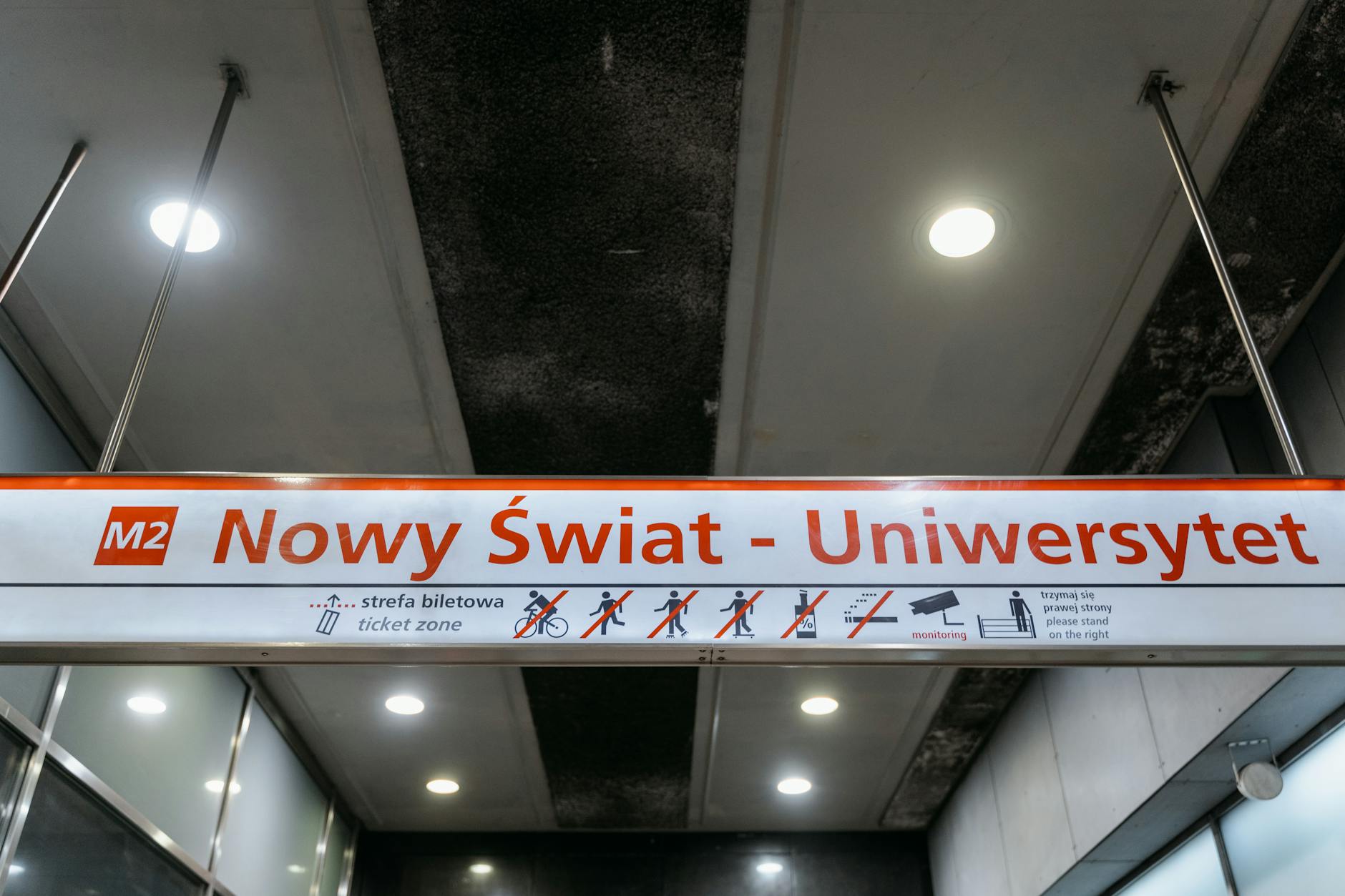
Warsaw is the only Polish city with a metro. This makes it easier to cross the city quickly, especially along the north–south M1 and east–west M2 corridors. The metro is clean, frequent, and often the fastest mode. However, many tourist areas are not directly above a metro station. The Old Town is not served by a metro station in the way visitors may expect; it usually requires walking, tram/bus, or a transfer.
Warsaw is also the city where national rail and urban transport overlap most heavily. Central Warsaw has multiple major stations: Centralna, Śródmieście, Wschodnia, Zachodnia, Gdańska, and others. Long-distance trains, SKM, Koleje Mazowieckie, WKD, and metro/trams/buses interact in ways that are powerful but confusing.
Tickets and zones
Warsaw uses fare zones, with Zone 1 covering most visitor needs inside the city and Zone 2 covering farther suburban areas. Common visitor tickets include 20-minute, 75-minute, 90-minute, 24-hour, 72-hour, and weekend products. The official WTP tariff page lists, for example, a 75-minute Zone 1 ticket at 4.40 PLN, a 24-hour Zone 1 ticket at 15 PLN, and a 72-hour Zone 1 ticket at 36 PLN.
Tickets must be validated immediately after boarding a bus or tram, or at the gates/validators leading to metro platforms. Warsaw’s tourist office states that validated tickets allow unlimited journeys within the ticket’s time limit or until arrival at the final stop/station of the route.
Practical use
For most visitors:
Airports
Chopin Airport is close and practical. Public transport from Chopin includes SKM rail and buses. The airport is far easier than Modlin for short trips and business travel.
Modlin Airport is farther away. Check coach, train-shuttle, or transfer timing carefully. Do not plan a tight transfer between Chopin and Modlin.
Private vehicles and parking
Driving in central Warsaw is rarely necessary for a visitor. Parking is limited, paid, and stressful. Tram lanes, bus lanes, one-way streets, and construction can make navigation difficult. For locals, cars remain important for outer districts and suburbs, but the core increasingly favors transit, walking, cycling, and emission control.
Warsaw’s Low Emission Zone matters in 2026. From January 1, 2026, older gasoline and diesel vehicles face expanded restrictions. Unauthorized entry can carry a fine of up to 500 PLN.
Visitor concerns
Local concerns
Best strategies
Two-day visitor: buy time tickets or a 24/72-hour ticket, use metro/trams, and take taxi/ride-hailing only for luggage or late night.
Business traveler: stay near M1, M2, Centralna, or a direct tram corridor.
Family: use metro elevators where possible, but expect some walking to Old Town.
Driver: park outside the core or at hotel parking; verify LEZ rules.
- Metro lines.
- Trams.
- Day buses.
- Night buses.
- SKM urban rail.
- Integrated arrangements with selected regional rail services.
- Use metro for long cross-city trips.
- Use trams for surface corridors and areas not directly on the metro.
- Use buses for gaps, late-night service, and airport routes.
- Use SKM/rail for Chopin Airport or suburban trips when convenient.
- Use taxis/ride-hailing for late-night, heavy luggage, or awkward hotel locations.
- Confusing station names.
- Old Town not directly on metro.
- Modlin Airport distance.
- Ticket validation.
- Zone 1 versus Zone 2.
- Construction around rail stations.
- Choosing the wrong station for long-distance rail.
- Crowding on metro and trams at peak times.
- Suburban rail integration.
- Parking scarcity and paid zones.
- Roadworks and rail-station redevelopment.
- Bus reliability in outer districts.
- Clean transport zone compliance.
- Night bus coverage for shift workers.
Kraków
System overview
Kraków is one of Poland’s most visited cities and one of the most walkable in its historic core. The Old Town, Wawel, Planty, Kazimierz, and parts of Podgórze can be explored largely on foot. But for Nowa Huta, Kraków Airport, Wieliczka, Płaszów, Tauron Arena, university districts, and residential areas, trams, buses, and regional rail become important.
Kraków’s public transport is organized by ZTP/KMK and includes:
What is unique
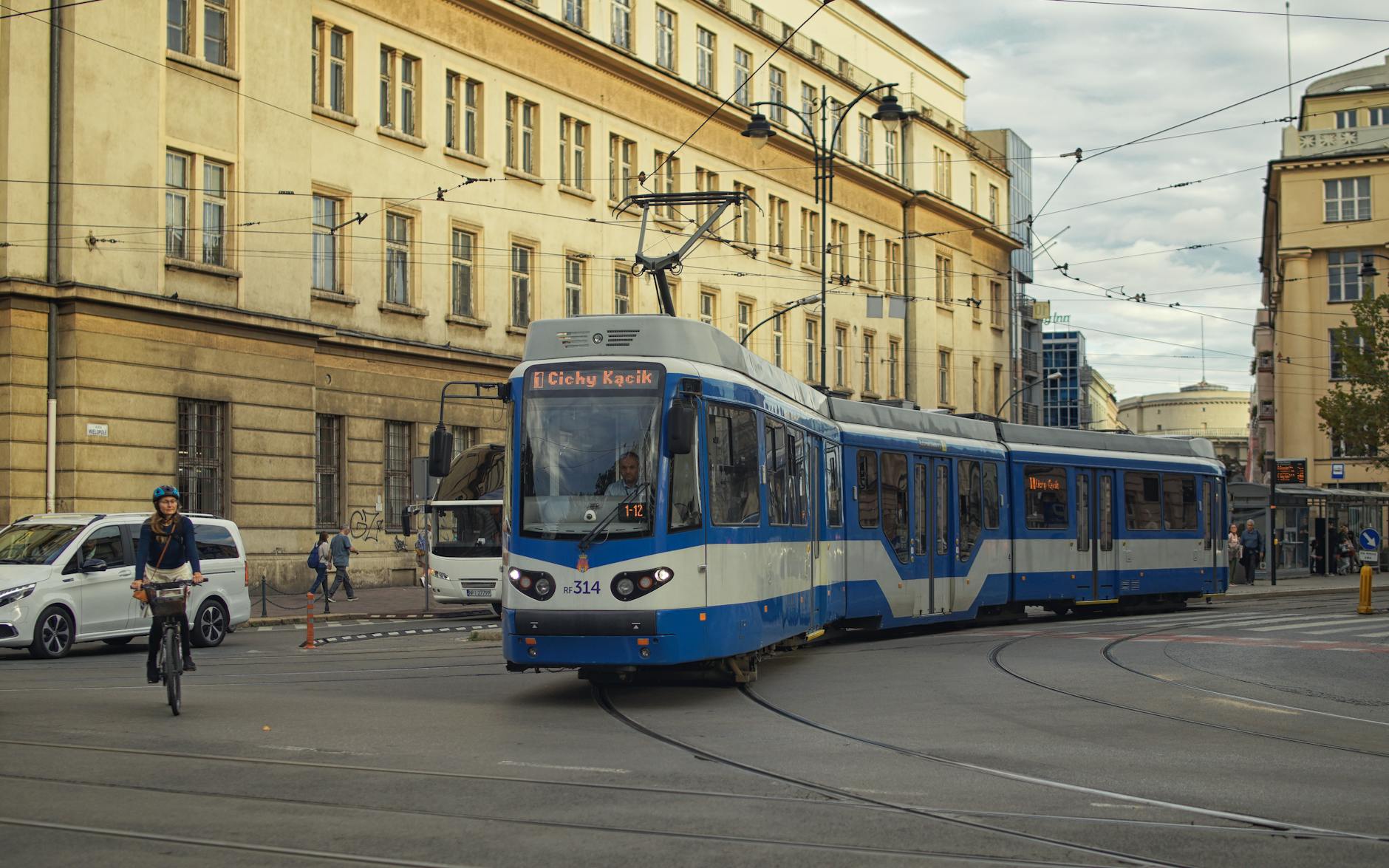
Kraków is a dense historic city with a heavily pedestrianized center, a strong tram network, and major tourism pressure. It has no operating metro in 2026. Trams are the practical backbone for most urban trips outside the walking core.
Kraków also has two major special issues: the airport train and the Low Emission Zone.
Tickets and fares
Kraków’s official KMK ticket guide shows a fare structure for zones I+II+III. As of the 2026 fare schedule, examples include 15-minute, 30-minute/single trip, 60-minute, 90-minute, 24-hour, 48-hour, 72-hour, 7-day, family weekend, and group products. The official guide lists full fares including 4 PLN for 15 minutes, 6 PLN for 30-minute/single trip, 8 PLN for 60 minutes, and 9 PLN for 90 minutes.
Because Kraków fares changed in March 2026, older blog posts and screenshots may be wrong. Use official machines, Jakdojade, or ZTP/KMK sources.
Airport access
The airport train is the easiest option for most visitors. Kraków Airport’s official train page lists the Kraków Airport–Kraków Main Train Station fare at 20 PLN and notes that luggage is free.
The airport train is useful not only for Kraków Główny but also for intermediate and onward regional stations depending on accommodation. Taxis and ride-hailing are still sensible for late-night arrivals, heavy luggage, or hotels away from rail/tram corridors.
Low Emission Zone
Kraków’s LEZ began January 1, 2026 and covers a large part of the city. The official ZTP page states that gasoline cars, including LPG, may enter if they meet Euro 4 or were manufactured in 2005 or later, while passenger diesel vehicles up to 3.5 tonnes must meet Euro 6 or be manufactured in 2014 or later. Vehicles registered abroad must be registered in the LEZ system even if they meet the standards.
This is one of the most important transport concerns for visitors driving foreign cars or older vehicles.
Practical use
For visitors:
Private vehicles and parking
Driving in central Kraków is usually a poor choice. The Old Town is pedestrianized or restricted, Kazimierz and Podgórze are narrow and congested, parking is expensive and limited, and the LEZ now matters. A car becomes useful for rural Małopolska, castles, wooden churches, national parks, and mountain itineraries, but not for central sightseeing.
Visitor concerns
Local concerns
Best strategies
First-time visitor: walk the center, use trams for anything beyond Kazimierz/Podgórze, take the airport train if convenient.
Museum-heavy visitor: trams are better than taxis for many central routes, but ride-hailing can save time between distant sites.
Driver: check LEZ before entering, book hotel parking, and avoid old-town driving.
Zakopane connection: compare train and bus on the exact day; roads can be slow in peak periods.
- Trams.
- Day buses.
- Night buses.
- Agglomeration buses.
- Regional rail links, including SKA/Koleje Małopolskie.
- Park-and-ride facilities.
- Walk Old Town, Wawel, Planty, Kazimierz, and parts of Podgórze.
- Use trams for Podgórze, Schindler’s Factory area, Nowa Huta, Płaszów, and outer districts.
- Use airport rail for Balice if staying near the rail/tram network.
- Use train or bus for Wieliczka and Oświęcim depending on schedule.
- Use taxi/ride-hailing for late-night, luggage, or hotels up hills/away from stops.
- Outdated fare information.
- Confusing validation rules.
- Crowded trams during peak periods.
- Heavy tourism around Old Town and Kazimierz.
- LEZ requirements for foreign cars.
- Road congestion to Zakopane.
- Airport train versus city ticket confusion.
- Air quality and emissions policy.
- Tram overcrowding.
- Construction and track repairs.
- Tourist pressure in central neighborhoods.
- Parking scarcity.
- Accessibility in older tram stops and cobbled streets.
- Commuting from surrounding municipalities.
Gdańsk
System overview
Gdańsk is not just a standalone city transport system. It is part of the Tricity metropolitan area with Sopot and Gdynia. Understanding Gdańsk transport means understanding three layers:
Gdańsk’s old center is walkable, but beaches, Oliwa, Wrzeszcz, the shipyard area, Sopot, Gdynia, the airport, and suburban districts require transit.
What is unique
The defining feature is the Tricity rail spine. SKM connects Gdańsk, Sopot, and Gdynia and is often the best way to move along the coast. Visitors who stay only in Gdańsk Main Town can walk a lot, but anyone visiting Sopot pier, Gdynia, Oliwa, or the airport needs to understand rail.
The second defining feature is ticket complexity. A Gdańsk ZTM ticket, a Tricity metropolitan ticket, a SKM ticket, and a FALA-purchased rail/city ticket may cover different things.
Tickets
ZTM Gdańsk’s official single-ticket page lists, from April 2023 onward, a one-ride ticket at 4.80 PLN, a 75-minute ticket at 6.00 PLN, and a 24-hour ticket at 22.00 PLN for Gdańsk city transport.
Gdańsk also has metropolitan ticket products through MZKZG and the FALA system. ZTM Gdańsk notes that a 6 PLN MZKZG 75-minute ticket bought in an app can allow travel across more than the Gdańsk ZTM network, such as onto Gdynia transport, while the same-priced ZTM-only 75-minute ticket may not.
For visitors, the safest approach is:
Airport access
Gdańsk Airport has a rail station. The airport’s official train page says passengers can travel to the airport on routes connecting Gdańsk, Sopot, Gdynia, Kashubia, Kartuzy, and Kościerzyna, with many trips requiring or using Gdańsk Wrzeszcz as a transfer point.
Bus options also exist and can be easier for some addresses, but rail is usually the most important airport-access mode.
Cycling and MEVO
Gdańsk and the Tricity area are among the better Polish regions for bike use, especially near the coast and on flatter corridors. MEVO is the metropolitan bike-sharing system. Its official site describes app-based bike finding, unlocking, riding, and return.
Private vehicles and parking
Driving can be useful for beaches outside the core, Kashubia, Westerplatte depending on itinerary, or rural Pomerania. It is not ideal for Main Town sightseeing. Parking in central Gdańsk is constrained, and beach traffic can be heavy in summer. For Sopot and Gdynia day trips, SKM is usually simpler than driving.
Visitor concerns
Local concerns
Best strategies
Gdańsk-only visitor: walk Main Town, use tram/bus for Oliwa, Wrzeszcz, shipyard, and beaches.
Tricity visitor: learn SKM first; it is the spine of the trip.
Airport traveler: use rail if heading to Wrzeszcz, Gdańsk Główny with transfer, Sopot, or Gdynia; use taxi for heavy luggage or late-night arrivals.
Driver: park once and use transit for the central/coastal corridor.
- Gdańsk city buses and trams.
- SKM/PKM/regional rail for Tricity and the airport.
- Metropolitan tickets and integration products that may cover more than one city or mode.
- Use ZTM tickets for buses/trams inside Gdańsk.
- Use SKM/PKM/regional tickets for rail to Sopot, Gdynia, and the airport unless your specific ticket says it covers the rail route.
- Use a metropolitan ticket only when you know it covers the operators you need.
- Use FALA if comfortable with the system, but do not assume it eliminates the need to choose the right fare.
- Thinking Gdańsk-only tickets cover Sopot/Gdynia rail.
- Confusing Gdańsk Główny and Gdańsk Wrzeszcz.
- Airport rail transfers.
- Summer beach congestion.
- Ticket product complexity.
- Crowded SKM trains during peak beach/festival periods.
- Fare integration across Gdańsk, Sopot, Gdynia, and regional rail.
- Commuter crowding on SKM.
- Seasonal tourism surges.
- Parking pressure in beach districts.
- Reliability during winter weather or track works.
- Bike infrastructure continuity.
Wrocław
System overview
Wrocław is a tram-and-bus city built around islands, bridges, the Odra River, the Old Town, universities, residential districts, and expanding suburbs. It has no metro. Trams are the main visitor and commuter mode, with buses filling gaps and serving the airport.
The core is walkable, but distances to Centennial Hall, the Zoo/Afrykarium, Hydropolis, Nadodrze, universities, and outer districts often require trams or buses.
What is unique
Wrocław’s most distinctive visitor feature is its ticketing system. Ticket machines in vehicles accept contactless card payment, and the ticket is stored electronically on the card rather than printed. The official Wrocław visitor information page explains that every tram has ticket machines where contactless cards can be used and that electronic tickets bought in vehicles do not require additional validation.
This is convenient but confusing. During inspection, you present the card or device used to buy the ticket.
Tickets
Wrocław offers single tickets and time tickets, including 15-, 30-, 60-, 90-minute and longer products such as 24-, 48-, 72-, and 168-hour tickets. The visitor information page lists a single ticket for all lines at 4.60 PLN and describes time-ticket options.
For visitors, the safest method is to buy on the vehicle with a contactless card if available, or use official/mobile apps. Paper tickets from stationary machines or sales points may need validation.
Airport access
Wrocław Airport lists public bus lines 106, 129, and night line 206. Line 106 connects the airport with the Main Railway Station/Central Bus Station area, with typical journey time around 40–50 minutes depending on traffic.
A taxi or ride-hailing trip is sensible for late arrivals, early departures, families, or heavy luggage.
Practical use
For visitors:
Private vehicles and parking
Driving inside Wrocław is often slowed by bridges, one-way streets, tram corridors, construction, and central parking limits. For day trips around Lower Silesia, however, a car can be excellent: castles, mountains, spa towns, and rural sites often reward car flexibility.
Visitor concerns
Local concerns
Best strategies
Weekend visitor: use trams and walking; buy 24/48/72-hour tickets if making repeated trips.
Airport traveler: bus 106 is cheap and practical, taxi/ride-hailing is easier with luggage.
Road-trip traveler: visit Wrocław without the car, then rent or use the car for Lower Silesia.
Long-stay resident: learn URBANCARD and any rail integration relevant to your commute.
- Use trams for Old Town, Centennial Hall/Zoo, universities, Nadodrze, and most central districts.
- Use buses for airport and areas not on tram lines.
- Use contactless payment carefully; keep the same card/device available for inspection.
- Walk the Old Town, islands, Ostrów Tumski, and riverfront areas.
- Use ride-hailing for late-night or luggage.
- No paper ticket printed after card purchase.
- Airport bus travel time depends on traffic.
- Tram disruptions from track work.
- Cobblestones and bridges with luggage.
- Large station complex orientation.
- Bridge and river bottlenecks.
- Tram reliability.
- Track repairs and detours.
- Suburban expansion and commuting demand.
- Parking pressure.
- Integration with regional rail.
- Accessibility of older stops.
Poznań
System overview
Poznań has a strong tram-and-bus system centered on the main station area, Old Town, Rondo Kaponiera, university districts, residential neighborhoods, and suburban connections. It has no metro. The airport is close to the city and served by buses.
Poznań’s transport authority is ZTM Poznań, and the city uses PEKA as its key local card/account system. Visitors can use time tickets and short-term tickets; locals often benefit from PEKA/tPortmonetka and period products.
What is unique
Poznań’s distinctive feature is the combination of normal time tickets and the PEKA tPortmonetka stop-based system. PEKA can charge based on the number of stops traveled, which can be cheaper for many local short trips. For tourists, it is usually simpler to use the 15-, 45-, 90-minute, 24-hour, or 7-day products.
Tickets
ZTM Poznań’s official fare page lists time tickets for occasional users and tourists: up to 15 minutes at 5 PLN, up to 45 minutes at 7 PLN, and up to 90 minutes at 9 PLN. It also lists short-term products such as 24-hour Zone A at 18 PLN, 24-hour A+B+C+D at 24 PLN, 7-day Zone A at 59 PLN, and 7-day A+B+C+D at 94 PLN.
The same fare page emphasizes that time tickets allow transfers, that zones do not apply to single time tickets, and that real travel time applies.
Airport access
Poznań-Ławica Airport is connected to the city center by public buses. The official airport page lists lines 159, 148, and night line 222, with estimated travel time to the city center around 20–25 minutes.
This is one of the easier airport transfers among the requested cities. There is no need for a car unless the destination is outside the central transit network.
Practical use
For visitors:
Private vehicles and parking
Poznań is easier to drive than Warsaw or Kraków in some outer areas, but central driving and parking are still not ideal. The station/shopping-center complex can be confusing, and the old center is better explored on foot or by tram. A car becomes useful for Greater Poland day trips, countryside, lakes, and towns beyond rail corridors.
Visitor concerns
Local concerns
Best strategies
Short visitor: use trams and 45-/90-minute tickets; walk Old Town and Śródka.
Airport traveler: bus 159 is the default to/from the main station area.
Student/resident: learn PEKA and tPortmonetka; it can be better than buying time tickets.
Driver: park outside the tight center and use trams for sightseeing.
- Use trams for most central movement.
- Use bus 159 or airport bus options for Ławica.
- Use 45-minute tickets for most normal cross-town journeys.
- Use 24-hour or 7-day tickets if making repeated transit trips.
- Use PEKA/tPortmonetka only if staying longer or commuting.
- Understanding PEKA versus normal tickets.
- Ticket activation in apps or validators.
- Station/shopping-center wayfinding at Poznań Główny.
- Construction or route changes.
- Airport bus stop selection.
- Fare increases and pass affordability.
- Suburban zone coverage.
- Tram reliability and construction.
- Commuting through Rondo Kaponiera and station corridors.
- Parking and traffic in central districts.
- Integration with regional rail.
Zakopane
System overview
Zakopane is not a typical city transport system. It is a mountain resort, tourist hub, winter-sport base, and gateway to the Tatra Mountains. Transport problems are shaped by topography, weather, seasonal tourism, trailhead access, private minibuses, parking shortages, and road congestion.
Zakopane has:
What is unique
The defining feature is that transport is tied to outdoor access. The most important journeys are not only “hotel to station,” but:
A car does not automatically solve these journeys because parking and traffic are often the main constraints.
Getting to Zakopane
From Kraków, both train and bus can work. Koleje Małopolskie publishes Kraków Główny–Zakopane timetables, and the route is served by rail options in 2026. Coaches and buses from Kraków MDA are frequent, and in some periods buses are faster or more flexible. In peak tourist traffic, road journeys can slow substantially.
The practical rule is: compare train and bus for the exact date and time. Do not rely on a generic “bus is faster” or “train is better” rule.
Local municipal buses
Zakopane’s official public-transport page lists municipal bus fare information. As of the official practical information page, examples include a single normal ticket at 6 PLN, a 60-minute transfer ticket at 8 PLN, a 24-hour ticket at 12 PLN, a 3-day ticket at 22 PLN, and a 7-day ticket at 40 PLN.
Zakopane also changed/updated line numbering and timetables in 2026. The city’s timetable page notes line-number changes from January 1, 2026 and additional line changes from February 1, 2026.
Private minibuses and trailheads
For Morskie Oko, many visitors use minibuses from the station/bus area to Palenica Białczańska. These are not the same as formal city buses. Fares, schedules, and payment methods can vary. Cash is useful. In peak season, depart early.
For Kuźnice, access by private car is restricted/limited in practice; buses, minibuses, taxis, or walking from lower areas are common. For ski areas, check the specific resort and season.
Tatra National Park and parking
Trailheads and park access are separate from ordinary urban transport. Tatra National Park has its own entry rules, routes, and fees. The official TPN site provides route information, including Palenica Białczańska–Morskie Oko route details.
Parking near popular trailheads can sell out or require advance reservation. For Morskie Oko/Palenica Białczańska, do not assume you can arrive by car at 10:00 in peak season and find a space.
Private vehicles
A car is useful around the broader Podhale region, but it can be painful inside Zakopane during peaks. Problems include:
A car is best when staying outside town, visiting multiple villages, or traveling with equipment. It is not necessary for most central Zakopane stays if buses/minibuses are planned.
Visitor concerns
Local concerns
Best strategies
Hiker: use minibuses/official buses to trailheads, depart early, carry cash, and check weather.
Family: plan fewer destinations per day; use taxis/transfers when transfers are awkward.
Winter visitor: avoid relying on a car unless equipped and confident in snow.
Kraków day tripper: compare train and bus; leave early and build a large buffer.
Driver: reserve parking where possible and expect delays.
| City / destination | Best default mode | Rail role | Airport access | Car usefulness | Main ticket risk | Main visitor warning |
|---|---|---|---|---|---|---|
| Warsaw | Metro + tram + bus | Very high; national and suburban rail | Chopin by rail/bus; Modlin needs planning | Low in center, higher in suburbs | Zones and validation | Old Town is not directly metro-centered; avoid older-car LEZ issues |
| Kraków | Walking + tram | High for airport and regional trips | Airport train is strong | Low in center; useful regionally | 2026 fares, zones, LEZ | Foreign cars must handle LEZ registration/rules |
| Gdańsk | Walking + tram/bus + SKM | Essential for Tricity | Airport rail via PKM/SKM-style system | Moderate outside core | ZTM vs SKM vs metropolitan tickets | Do not assume a Gdańsk city ticket covers Sopot/Gdynia rail |
| Wrocław | Tram + walking | Useful for regional travel, not airport | Airport by bus 106/129/206 or taxi | Low in core; useful Lower Silesia | Contactless ticket stored on card | No paper ticket prints from onboard card purchase |
| Poznań | Tram + bus | Useful regionally | Airport bus 159/148/222 | Moderate outside core | PEKA vs time tickets | For short stays, simple time tickets beat learning full PEKA logic |
| Zakopane | Bus/minibus + walking | Useful from Kraków, schedule-dependent | Via Kraków Airport then bus/train/transfer | Mixed; parking/traffic can erase benefits | Municipal bus vs private minibus | Trailhead access, parking, weather, and cash matter |
- Long-distance buses and coaches.
- Trains from Kraków and other cities.
- Municipal buses.
- Private minibuses to trailheads and nearby villages.
- Taxis and transfers.
- Funicular/cableway systems operated separately from public transport.
- Heavy car traffic during peaks.
- Zakopane to Kuźnice.
- Zakopane to Palenica Białczańska / Morskie Oko trailhead.
- Zakopane to Chochołów thermal baths.
- Zakopane to nearby villages and ski areas.
- Kraków to Zakopane.
- Weekend traffic from Kraków.
- Winter ski traffic.
- Summer hiking traffic.
- Paid and limited parking.
- Narrow local roads.
- Snow and ice.
- Trailhead parking restrictions.
- Underestimating traffic.
- Assuming public buses serve every trailhead frequently.
- Not carrying cash for minibuses.
- Arriving late for trailhead parking.
- Ignoring winter equipment needs.
- Confusing municipal buses with private minibuses.
- Not checking cableway/funicular weather closures.
- Overtourism and congestion.
- Parking and illegal stopping.
- Air quality in winter.
- Resident mobility during tourist peaks.
- Seasonal workload for buses and roads.
- Balancing private minibuses with public transport.
- Mountain safety and rescue access.
Warsaw + Kraków
Best default: PKP Intercity train.
Use EIP/EIC/IC depending on schedule and price. Do not drive unless the route is part of a broader road trip. In Warsaw, use metro/tram; in Kraków, walk/tram.
Warsaw + Gdańsk
Best default: PKP Intercity train.
This is a strong rail corridor. In Gdańsk, use SKM for Sopot/Gdynia. A car adds little unless continuing into rural Pomerania.
Kraków + Zakopane
Best default: compare train and coach for the exact date.
Bus can be frequent and direct, but road congestion can be severe. Train can be more predictable when the timetable is favorable. For a day trip, start early and avoid planning a tight evening flight.
Gdańsk + Sopot + Gdynia
Best default: SKM rail.
Use city tickets for Gdańsk trams/buses, but rail/metropolitan products for Tricity movement. Do not drive to Sopot in peak summer unless you have parking reserved.
Wrocław + Lower Silesia
Best default: city transport inside Wrocław, car or regional train outside.
For castles, mountain towns, and rural sites, a car can be very useful. For Wrocław itself, trams are easier.
Poznań + Greater Poland
Best default: trams in Poznań, regional rail or car for day trips.
Poznań’s airport bus is easy. PEKA is useful for residents, while visitors should use simple time tickets.
Multi-city Poland route
A practical route is:
- Warsaw by metro/tram/bus.
- Train to Kraków.
- Kraków by walking/tram and airport train if needed.
- Bus/train to Zakopane if desired.
- Train to Wrocław or Poznań.
- Train to Gdańsk or Warsaw depending on route.
- Use rental car only for rural add-ons.
When a rental car makes sense
A rental car makes sense for:
It does not make sense for:
: PKP Intercity, passenger homepage and ticket purchase: https://www.intercity.pl/en/
: PKP Intercity, train categories: https://www.intercity.pl/en/site/for-passengers/trains/
: PKP Intercity, Express InterCity Premium information: https://www.intercity.pl/en/site/for-passengers/trains/express-intercity-premium-eip/
: PKP Intercity, Express InterCity information: https://www.intercity.pl/en/site/for-passengers/trains/about-eic.html
: PKP Intercity, e-IC online ticket instruction: https://www.intercity.pl/en/site/travelers-essentials/where-to-buy-the-ticket/internet/e-ic-instruction.html
: PKP Intercity, buying a ticket on board and EIP restrictions: https://www.intercity.pl/en/site/for-passengers/buy-a-ticket/purchasing-a-ticket-from-a-conductor-ticket-inspector-%E2%80%93-a-passenger-guide.html
: PKP Intercity, sleeper cars and couchettes: https://www.intercity.pl/en/site/for-passengers/offers/wagony-sypialne-i-kuszetki/
: Office of Rail Transport, passenger rights in rail transport: https://utk.gov.pl/en/passenger-rights/passenger-rights-in-rail-trans
: PKP PLK Portal Pasażera official timetable search: https://portalpasazera.pl/en
: KOLEO official English site: https://koleo.pl/en
: POLREGIO mobile application listing: https://play.google.com/store/apps/details?id=pl.polregio
: Jakdojade official app listing: https://play.google.com/store/apps/details?id=com.citynav.jakdojade.pl.android
: e-podróżnik English site: https://en.e-podroznik.pl/
: FlixBus Poland routes: https://www.flixbus.com/bus/poland
: Sindbad coach network and ticket information: https://www.sindbad.pl/en/ouroffer/international-tickets
: European Union Your Europe, road rules and safety in Poland: https://europa.eu/youreurope/citizens/travel/driving-abroad/road-rules-and-safety/poland/index_en.htm
: Polish Police, road safety information for foreigners: https://info.policja.pl/ine/for-foreigners/police-tips-and-hints/road-safety
: Autopay, Road Tolls Poland Driver Guide 2026: https://mobility.autopay.eu/en/knowledge/drivers-guide/road-tolls-poland/
: e-TOLL, changes from February 1, 2026: https://etoll.gov.pl/en/news/changes-to-the-e-toll-as-of-1-february-2026/
: Warsaw Public Transport / WTP, ticket tariff: https://www.wtp.waw.pl/en/ticket-tariff/
: Warsaw Public Transport / WTP, public transport step by step: https://www.wtp.waw.pl/en/public-transport-step-by-step/
: Warsaw Tourist Office, Getting around Warsaw: https://go2warsaw.pl/en/getting-around-warsaw/
: Warsaw Chopin Airport, public transport: https://lotnisko-chopina.pl/en/public-transport.html
: Warszawa 19115, changes to Warsaw LEZ from January 1, 2026: https://warszawa19115.pl/-/changes-to-the-lez-from-the-new-year
: ZTP Kraków, KMK ticket guide: https://ztp.krakow.pl/en/kmk-public-transport/kmk-ticket-guide
: Kraków Airport, train information and fares: https://www.krakowairport.pl/en/train-en
: ZTP Kraków, LEZ requirements: https://ztp.krakow.pl/en/lez/lez-requirements
: City of Kraków, foreign-registered vehicles and LEZ registration: https://krakow.pl/krakow_open_city/news/307647%2C245%2Ckomunikat%2Clow_emission_zone___vehicles_with_non-polish_license_plates_required_to_register.html
: ZTM Gdańsk, single tickets: https://ztm.gda.pl/bilety/bilety-jednorazowe%2Ca%2C3019
: ZTM Gdańsk, ticket prices: https://ztm.gda.pl/bilety/ceny-biletow%2Ca%2C13
: ZTM Gdańsk, mobile application ticket explanation: https://ztm.gda.pl/ztm/bilety-w-aplikacjach%2Ca%2C9089
: ZTM Gdańsk / MZKZG metropolitan tickets: https://ztm.gda.pl/link/3085/bilet-metropolitalny-mzkzg
: Gdańsk Lech Wałęsa Airport, train access: https://www.airport.gdansk.pl/en/before-travel/getting-to-the-airport/train
: System FALA app listing: https://play.google.com/store/apps/details?id=pl.assecods.innompa.systemfala
: MEVO bike sharing system official site: https://rowermevo.pl/en
: Visit Wrocław, public transportation in Wrocław: https://visitwroclaw.eu/en/public-transportation-in-wroclaw/
: Wrocław city information, tickets: https://www.wroclaw.pl/en/tickets
: Wrocław Airport, how to get to the city: https://airport.wroclaw.pl/en/passenger/arrival/how-to-get-to-the-city/
: Wrocław city information, URBANCARD: https://www.wroclaw.pl/en/urbancard
: ZTM Poznań, ticket price list: https://www.ztm.poznan.pl/wszystko-o-biletach/cennik-biletow/
: ZTM Poznań, ticket types and forms: https://www.ztm.poznan.pl/wszystko-o-biletach/rodzaje-i-formy-biletow/
: Poznań-Ławica Airport, access to the centre: https://poznanairport.pl/en/before-the-trip/access-to-the-airport/access-to-the-centre/
: Visit Poznań, moving around the city: https://visitpoznan.pl/en/moving-around-the-city
: Zakopane official site, public transport practical information: https://www.zakopane.pl/komunikacjamiejska/informacje-praktyczne
: Zakopane official site, public transport timetables: https://www.zakopane.pl/komunikacjamiejska/rozklady-jazdy
: Koleje Małopolskie, Kraków Main Station–Zakopane timetable: https://kolejemalopolskie.com.pl/en/timetables/train-timetables/krakow-main-station-zakopane
: Tatra National Park official site: https://tpn.pl/
- Tatra/Podhale villages outside the main bus corridors.
- Lower Silesian castles and mountains.
- Masurian lakes.
- Białowieża area.
- Rural Pomerania and Kashubia.
- Multi-stop countryside routes.
- Central Warsaw.
- Central Kraków.
- Gdańsk Main Town + Sopot/Gdynia rail corridor.
- Wrocław Old Town.
- Poznań Old Town.
- Zakopane trailhead parking in peak season unless carefully planned.