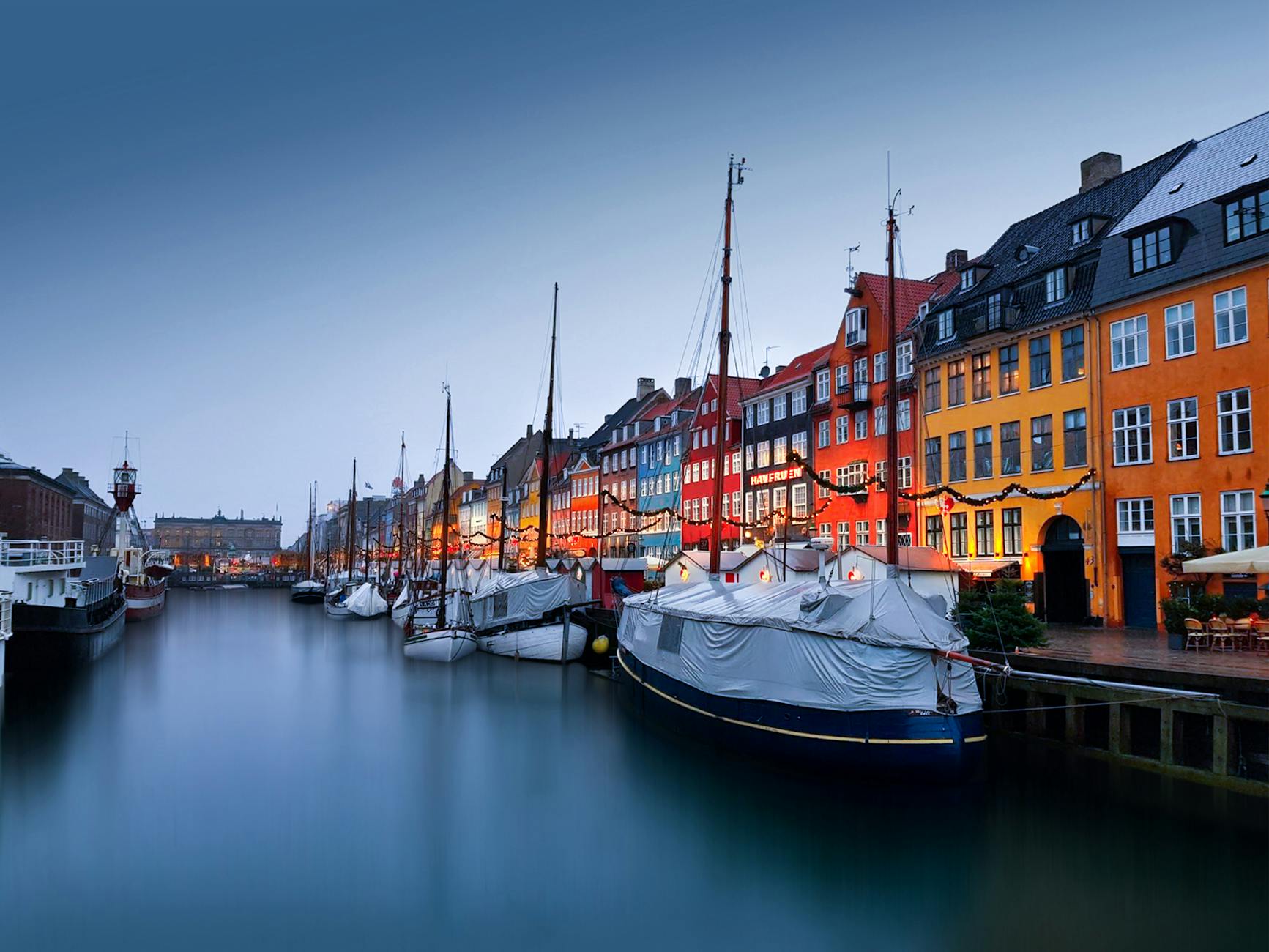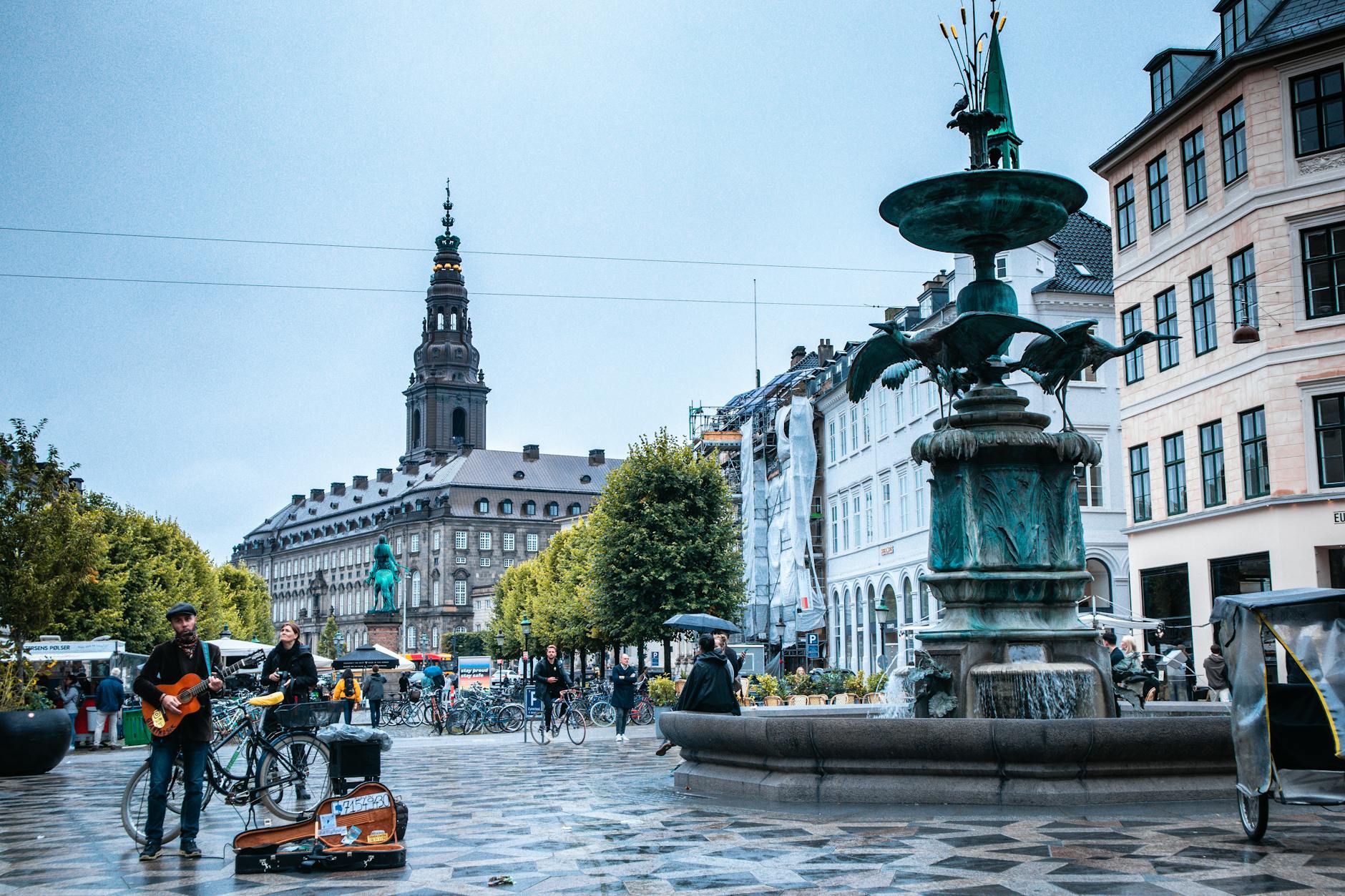
Start with the mission geography
Volunteer and NGO trips often involve partner offices, community spaces, project sites, public venues, or meetings in several neighborhoods. The traveler should map those locations before choosing lodging or adding sightseeing.
The purpose of the trip should drive the route.
- Map partner offices, project sites, meeting points, transit stops, and backup taxi routes before arrival.
- Confirm who is responsible for local introductions, access, translation, and schedule changes.
- Avoid booking lodging only for central sightseeing if the daily work sits elsewhere.
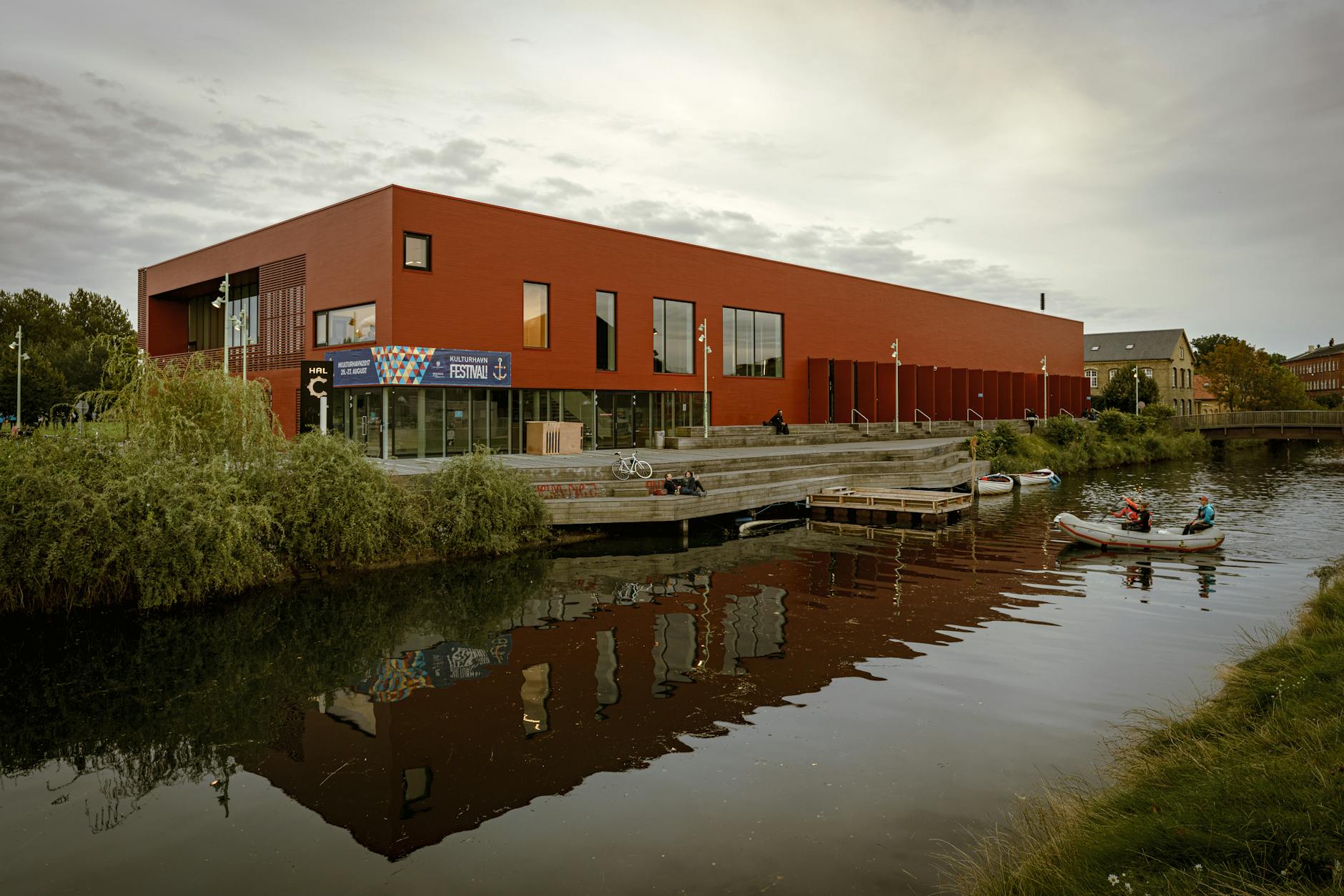
Understand the local context before arrival
A short trip can still require cultural, political, neighborhood, or institutional awareness. The traveler should understand the partner's role, community sensitivities, photography limits, language needs, and how to avoid making the visit feel extractive.
Context is part of preparation.
- Ask partners about neighborhood context, conduct expectations, consent, photography, and public communication limits.
- Clarify whether the traveler should bring documents, materials, gifts, donations, or technical equipment.
- Keep notes on local contacts, emergency procedures, and what should not be shared publicly.
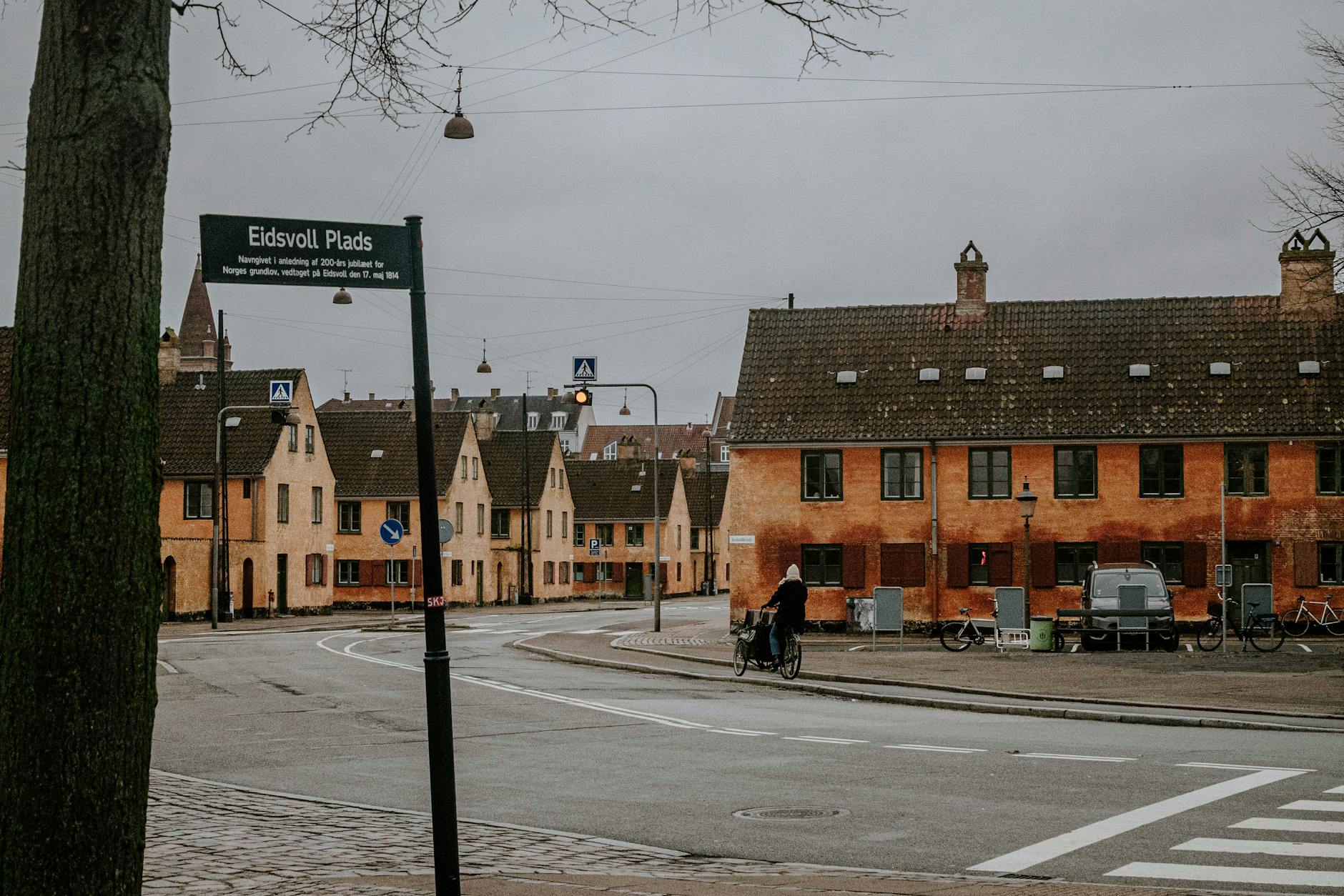
Make daily movement predictable
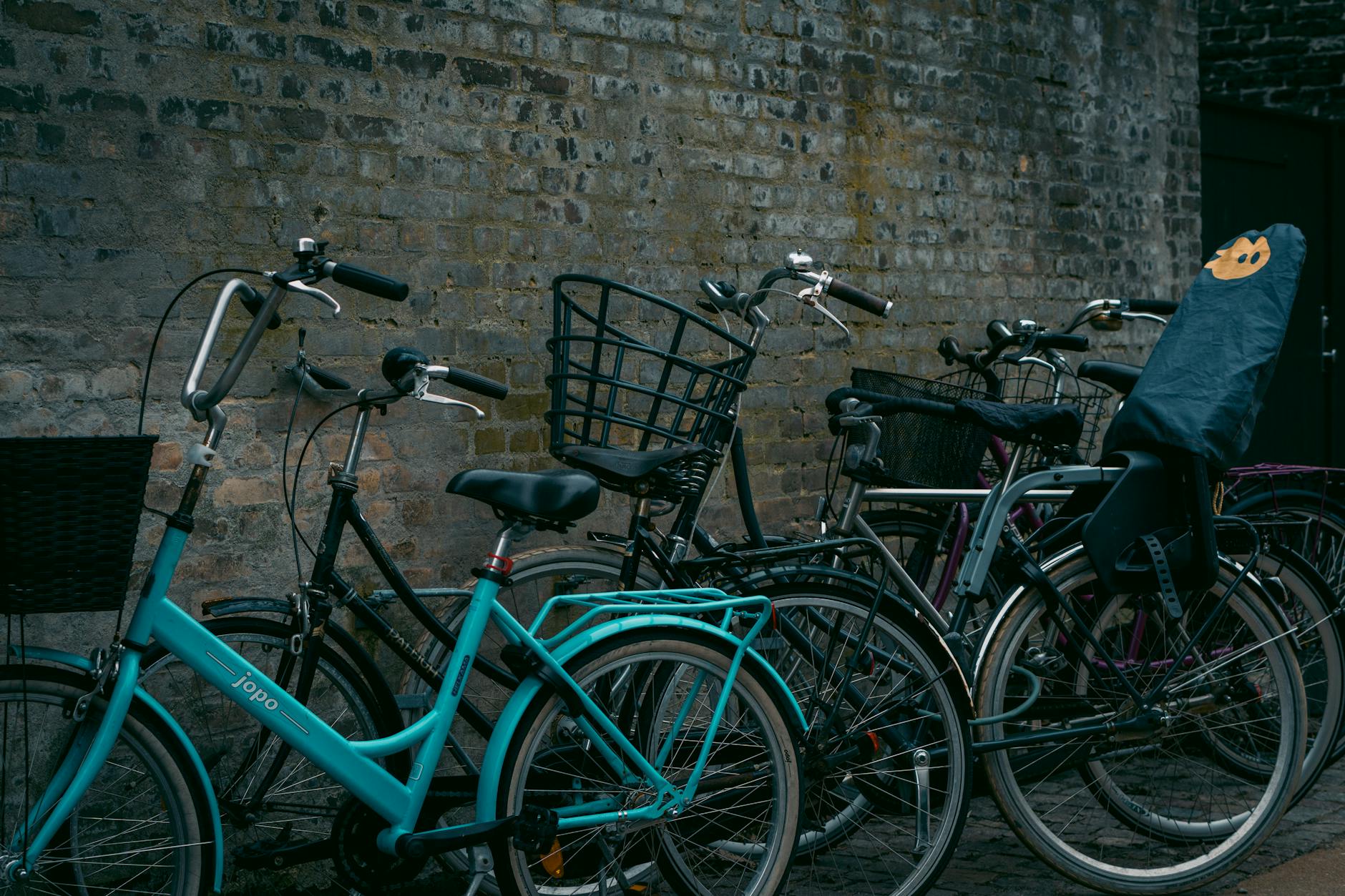
Copenhagen's transit and cycling culture can be helpful, but a volunteer or NGO traveler may carry materials, meet local partners, or move on a schedule that changes quickly. Movement should be simple enough to repeat under pressure.
Predictability protects the workday.
- Confirm transit tickets, nearest stops, bike rules, walking distance, and taxi backup options.
- Use public transport for clear routes and taxis when materials, weather, or timing make transit harder.
- Keep partner addresses, meeting points, and local phone numbers available offline.
Choose lodging by support needs
The lodging should fit the trip's budget and mission rhythm. A hostel, apartment, guesthouse, or hotel can work, but the traveler should check kitchen access, laundry, quiet, safety, receipts, partner proximity, and easy returns after evening work.
Support needs matter more than style.
- Compare lodging by project access, cost controls, breakfast, kitchen access, receipts, quiet, and laundry.
- Check whether the organization requires specific booking documentation or reimbursement rules.
- Avoid remote lodging when early starts, late meetings, or materials make movement harder.
Plan meetings and meals without waste
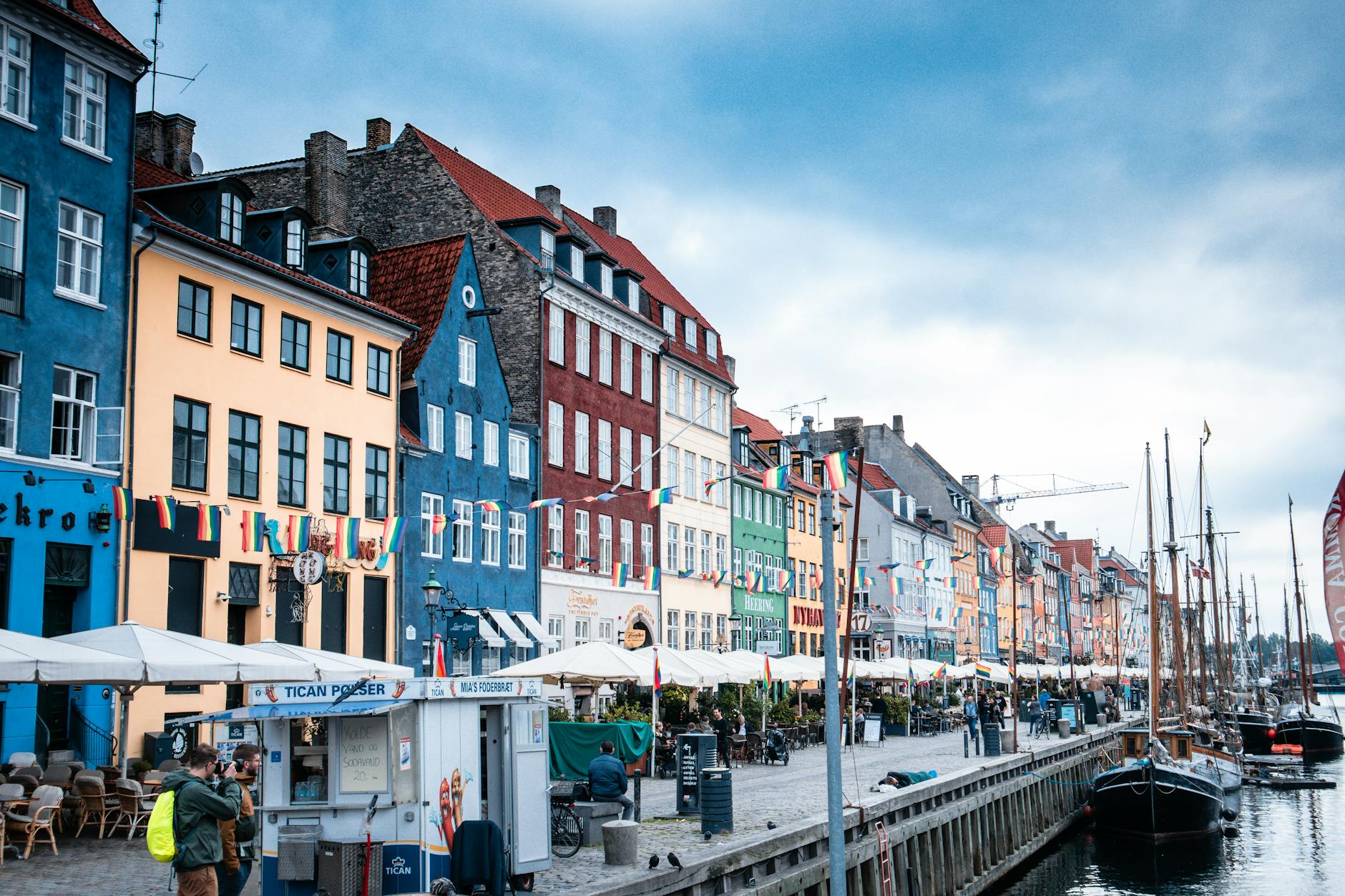
NGO and volunteer schedules can involve informal meetings, partner meals, coffee conversations, and quick working sessions. Copenhagen costs make it useful to choose meeting places that are practical, respectful of budgets, and easy for local partners to reach.
A meeting place should serve the work.
- Choose cafes or meeting spaces by location, noise level, accessibility, cost, and partner convenience.
- Clarify who is paying for meals or coffee before group plans become awkward.
- Build time after meetings for notes, follow-up, and changes to the next day's plan.
Use public spaces thoughtfully
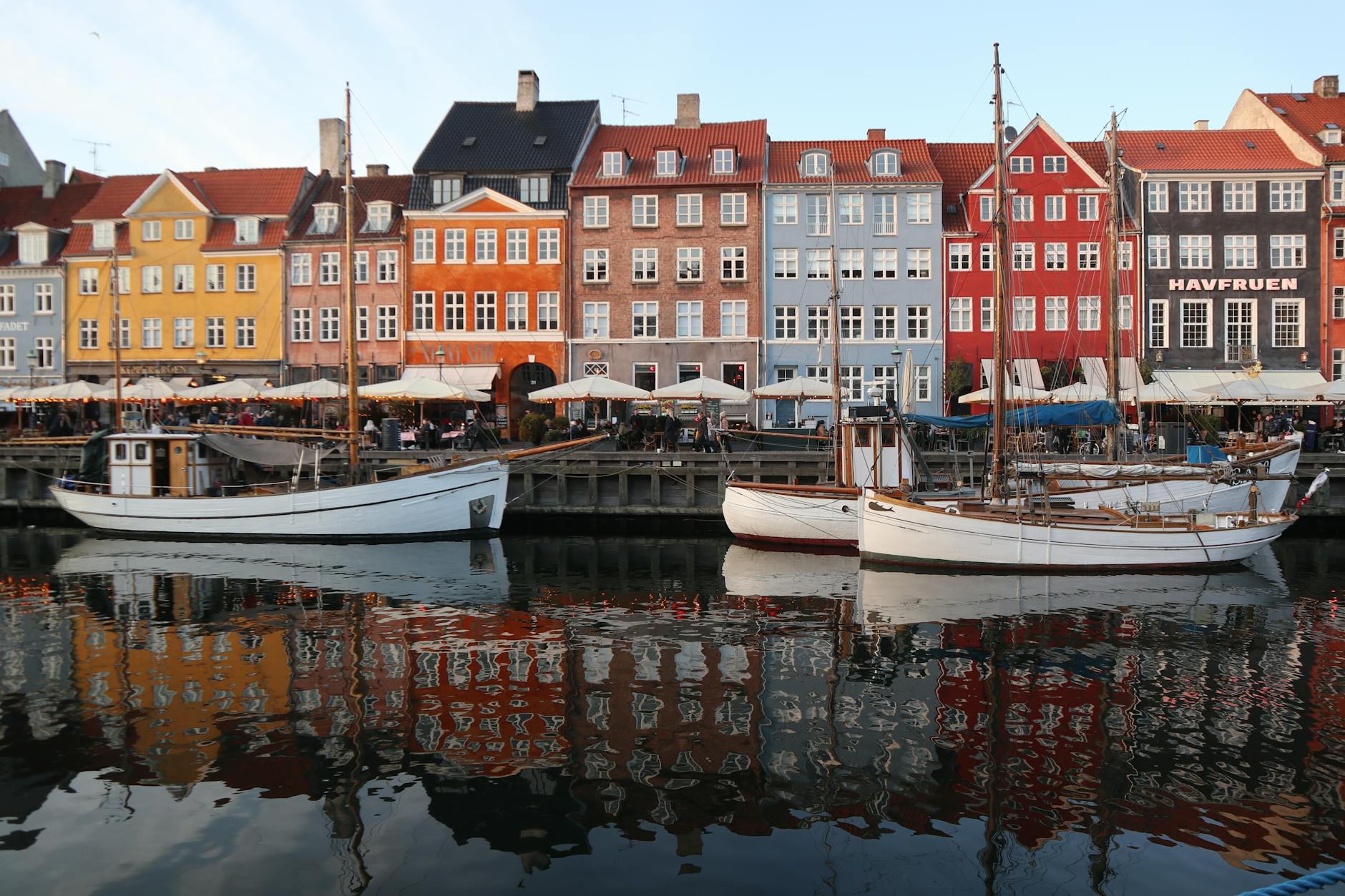
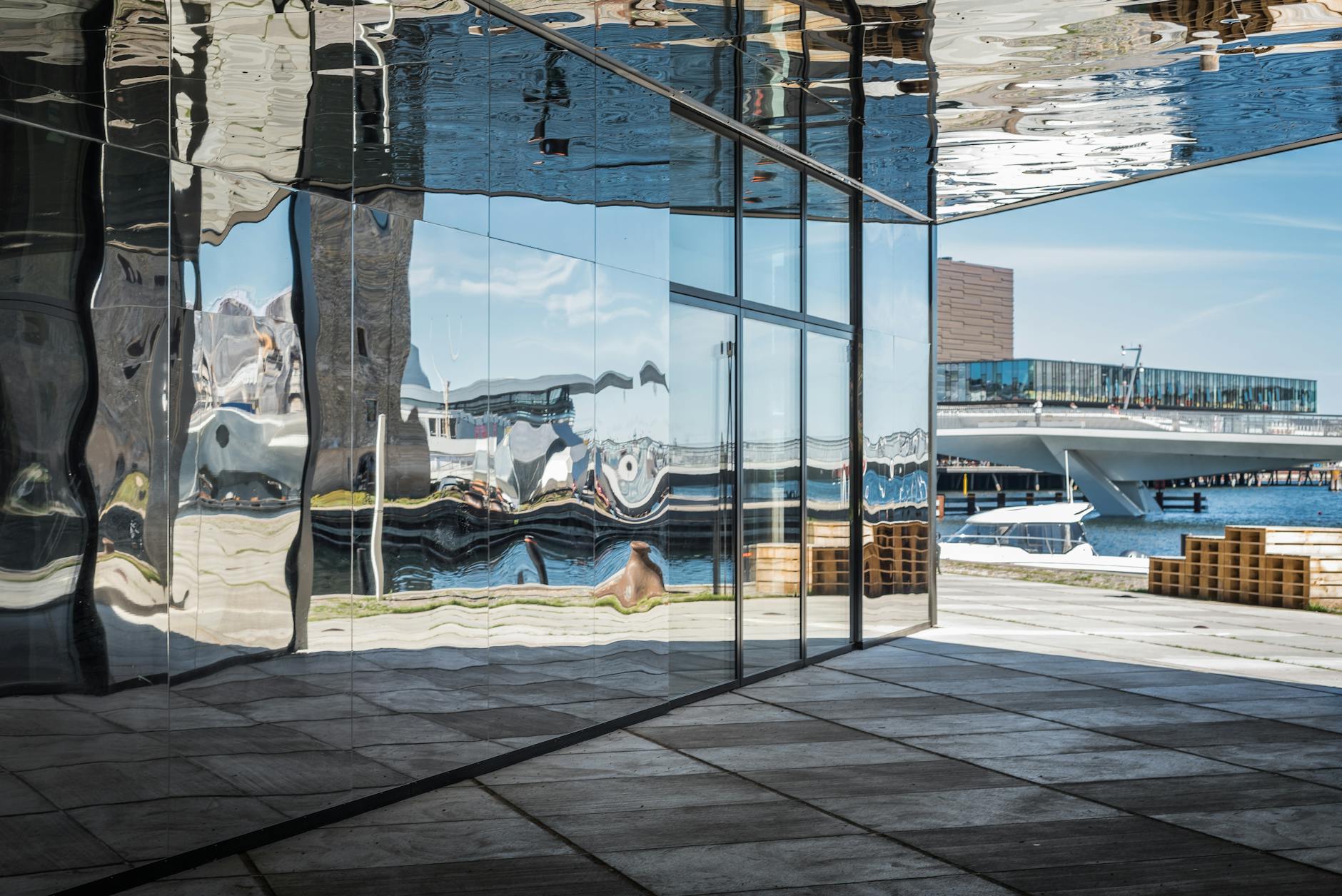
Copenhagen's waterfronts, parks, libraries, community venues, and public architecture can help the traveler understand the city, but public-facing work should still follow partner guidance. Photography, interviews, and social posts may need consent or restraint.
Public space is not automatically public material.
- Ask before photographing people, partner sites, community activities, or sensitive materials.
- Use public spaces for context, rest, and orientation without turning every moment into documentation.
- Keep one flexible block for weather, partner changes, or a needed reset.
When to order a short-term travel report
A volunteer or NGO traveler with full local support may not need a custom report. A report becomes useful when project geography, lodging, partner meetings, daily movement, budget rules, public communication, weather, and departure timing need coordination before a short stay.
The report should test partner locations, lodging fit, transit, meeting spaces, cost controls, communication limits, public context, weather backups, and departure buffers. The value is a Copenhagen trip that supports the mission without adding avoidable friction.
- Order when partner geography, lodging, transit, meetings, costs, communication limits, weather, or departure timing need coordination.
- Provide dates, arrival details, project locations, partner contacts, lodging options, budget rules, equipment needs, and privacy concerns.
- Use the report to make the short Copenhagen mission more practical and respectful.