Map the story before the hotel
A journalist's base should follow the story geography: government sites, neighborhoods, offices, waterfront areas, cultural venues, interview locations, and possible scenes for observation. A central hotel is useful only if it supports reporting movement.
The story map should lead the logistics.
- Map interview sites, institutions, public locations, transit stops, and backup workspaces before booking.
- Choose lodging by reporting access, quiet work setup, airport route, and late filing comfort.
- Keep optional sightseeing separate from reporting time until the core schedule is stable.
Confirm access, consent, and permissions
Reporting in Copenhagen may involve official buildings, private offices, cultural venues, public spaces, or sensitive communities. The journalist should clarify interview permissions, photography rules, recording consent, identification needs, and local support before arrival.
Access uncertainty costs reporting time.
- Confirm press contacts, appointment times, recording consent, photography rules, and ID requirements.
- Keep source names, addresses, phone numbers, and backup contacts available offline.
- Ask local partners about sensitive locations, privacy expectations, and what should not be filmed or photographed.
Build routes around interview reliability
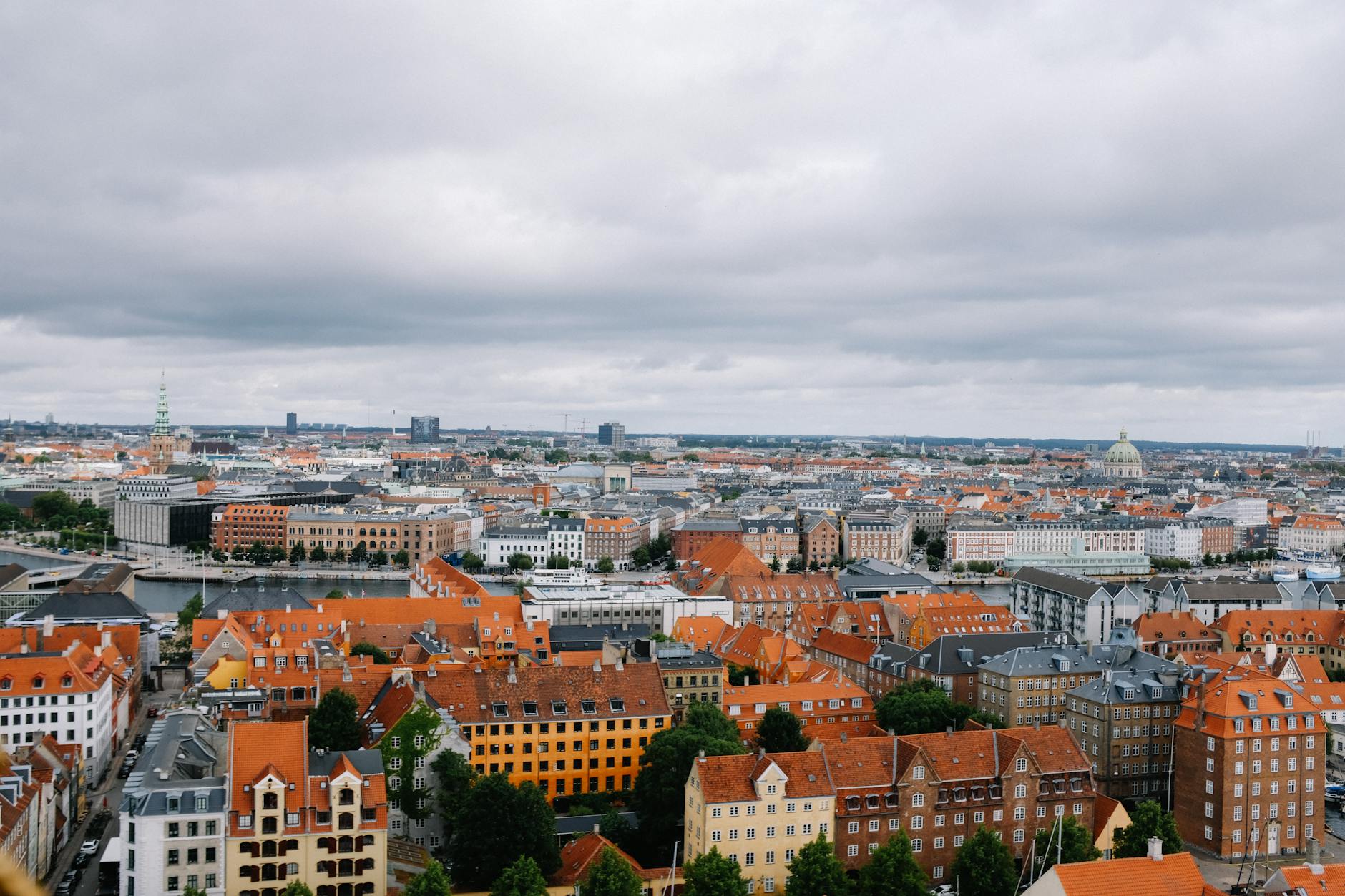
Copenhagen transit can be efficient, but interviews leave little room for confusion. The journalist should compare walking, metro, rail, buses, taxis, and bike routes by weather, equipment load, and the need to arrive composed.
Reliable arrival protects the source relationship.
- Test routes between interviews by actual time of day, not just map distance.
- Use taxis when equipment, weather, tight timing, or confidential calls make public transport less reliable.
- Build buffers for security checks, finding entrances, setting up audio, and source delays.
Protect filing and editing windows
A short reporting trip can fill with interviews and movement, but the story still needs transcription, notes, calls, photo review, edits, and filing. The journalist should protect working time before fatigue takes over.
The reporting day includes the writing day.
- Reserve time for notes, transcription, image review, editor calls, fact checks, and filing.
- Identify quiet cafes, hotel spaces, libraries, or work rooms near the reporting route.
- Keep chargers, adapters, storage cards, batteries, and backup internet available throughout the day.
Use scene-setting without losing the story
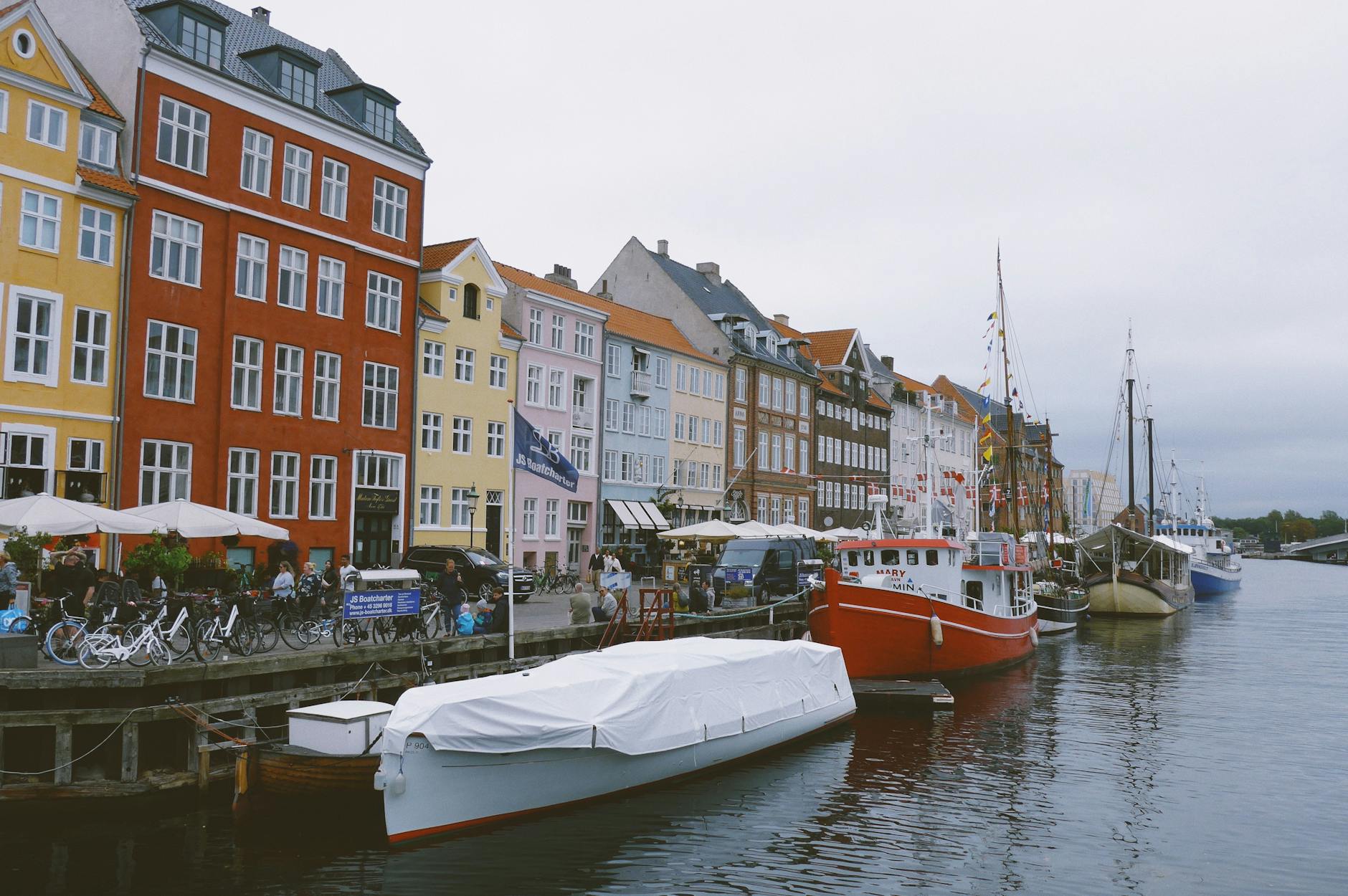
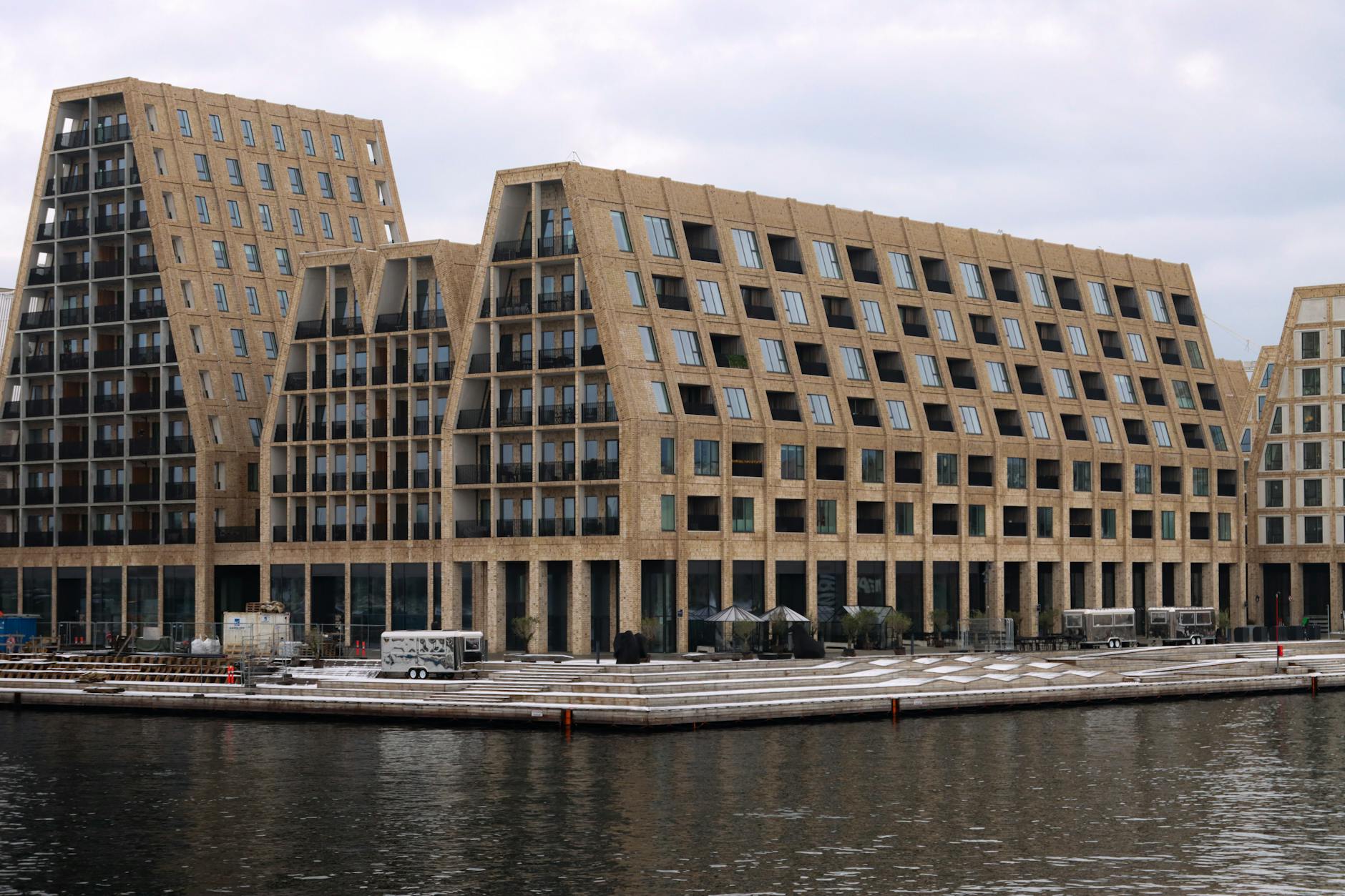
Copenhagen offers strong visual context through canals, bicycle streets, government buildings, public design, waterfronts, and neighborhoods. The journalist should decide which scenes genuinely support the story and which are only attractive distractions.
Visual context should serve the reporting.
- Choose scenes that connect directly to the story, source geography, or reader understanding.
- Check light, weather, crowd patterns, and permissions before relying on a specific visual moment.
- Avoid overloading the schedule with scenic stops that do not improve the piece.
Keep evening work and safety practical
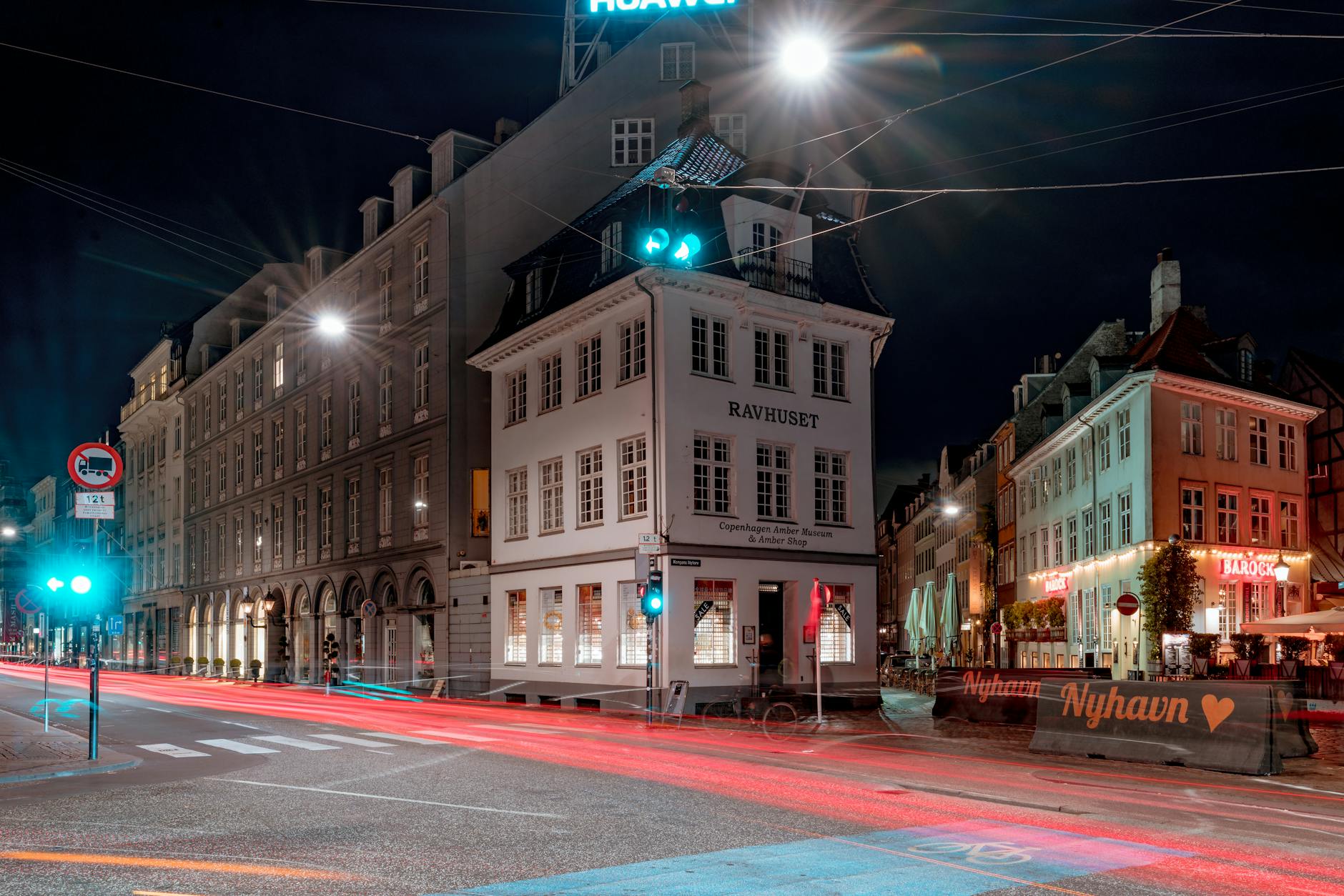
Late interviews, event coverage, or evening filing can be productive, but the journalist should plan return routes, phone power, equipment security, and workspace options before the night stretches on.
A good reporting day needs a clean ending.
- Choose evening interview locations with clear transit, taxi access, and a known return route.
- Keep equipment discreet, backed up, charged, and weather-protected.
- Avoid scheduling critical filing only after late event coverage when fatigue and deadlines collide.
When to order a short-term travel report
A journalist with a single arranged interview may not need a custom report. A report becomes useful when story geography, source timing, permissions, equipment, workspaces, weather, evening movement, and airport buffers need to fit into a short Copenhagen stay.
The report should test interview locations, lodging fit, access rules, transit, workspaces, scene-setting routes, equipment needs, weather backups, safety notes, and departure timing. The value is a Copenhagen reporting trip that keeps logistics out of the story's way.
- Order when interviews, access, lodging, transit, equipment, workspaces, weather, or departure timing need coordination.
- Provide dates, story focus, source locations, access needs, hotel options, equipment load, filing deadlines, and budget.
- Use the report to make the reporting window tighter, clearer, and easier to execute.